
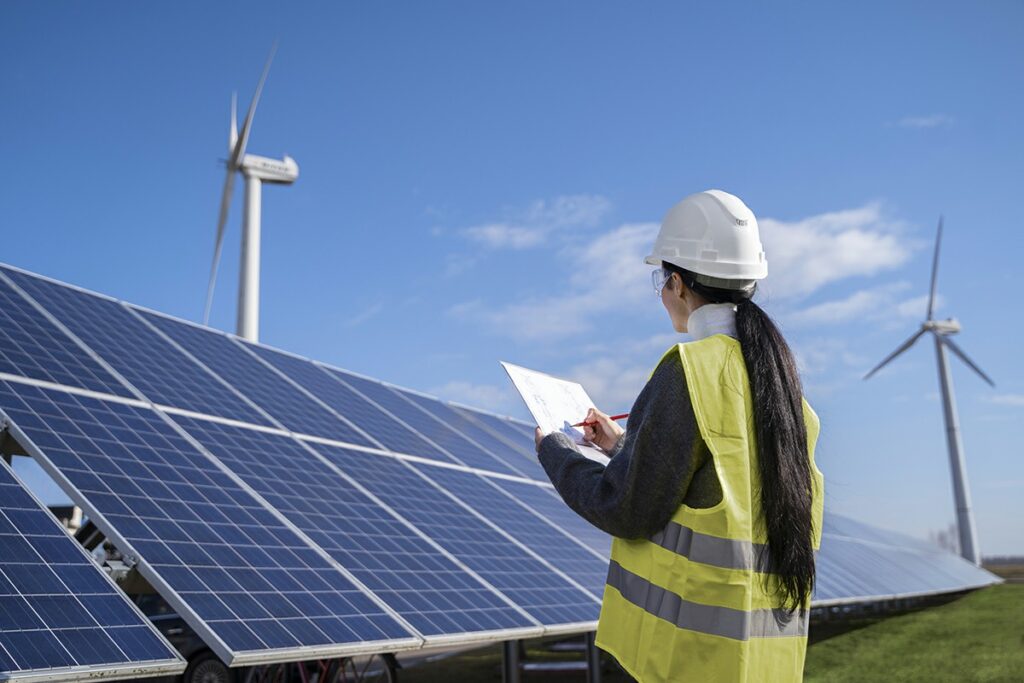
As the world moves away from fossil fuels, solar energy has become a leading alternative. It’s renewable, produces no pollution while operating, and can reduce our dependence on the power grid. But it’s not perfect; solar panels need direct sunlight to work, and the initial setup can be costly. We’ll take a balanced look at the advantages and disadvantages of solar energy so you can better understand its role in your life and the world.
In this article:
6. Advantages of Solar Energy
1. Abundant and Renewable Source
Solar energy is virtually limitless and renewably sourced from the sun, which shines freely every day. Unlike fossil fuels that deplete over time and require extraction and transport, solar power is available in abundance almost everywhere on Earth.
It can be harvested with photovoltaic panels or solar thermal collectors, allowing for electricity and heat generation with no depletion. Because it is replenished daily and doesn’t emit greenhouse gas emissions during operation, solar energy stands as one of the most sustainable power sources available.
2. Environmentally Friendly
Generating electricity from solar panels produces no greenhouse gases, air pollutants, or harmful emissions. This makes solar power a far cleaner alternative to fossil fuels, which contribute significantly to global warming and health issues.
While there are some environmental concerns during the manufacturing phase of solar panels, their operation is emission-free. Over the system’s lifespan, the carbon footprint is significantly smaller than that of coal or natural gas, making solar energy a key player in the fight against climate change.
3. Low Operating and Maintenance Costs
Once installed, solar energy systems have minimal operating expenses. There are no fuel costs, and solar panels require little maintenance due to their lack of moving parts. Rain usually clears away dirt, and periodic cleaning ensures optimal performance.
Additionally, warranties often cover panel replacements or inverter issues. Compared to fossil fuel plants, solar systems are easier to manage and more predictable in their cost profile, offering long-term savings and financial stability, particularly when paired with energy efficiency incentives.
4. Technological Advancements
Solar technology has significantly improved over the past decade. Modern panels have better efficiency, higher durability, and lower costs than earlier models. These gains are partly driven by innovations like advanced surface treatments, including anti-reflective coatings and protective layers that improve light absorption and long-term performance. Innovations in battery storage, solar cells, and grid integration have made solar energy more accessible and effective, even in less sunny regions.
Beyond hardware improvements, digital tools are also playing a major role in industry growth. Many solar companies now use solar marketing strategies to streamline customer communication, automate follow-ups, and improve sales conversions, helping businesses operate more efficiently while boosting customer satisfaction.
According to Greenmatch, efficiency ratings range from 15% to over 22% for many consumer-grade panels, while energy storage is becoming more affordable and reliable. These improvements make solar systems more viable for residential, commercial, and utility-scale adoption.
5. Economic and Job Benefits
The solar industry has become a substantial job creator, employing hundreds of thousands of workers globally. As the sector continues to grow, it fosters opportunities in manufacturing, installation, sales, maintenance, and research.
In 2023, in the US alone, over 279,000 individuals are employed in solar-related roles, a 5.9% increase from 2022 [Irecusa]. Moreover, solar energy reduces reliance on foreign oil and volatile fossil fuel markets, enhancing energy security and economic resilience. Homeowners also benefit financially through reduced energy bills and increased property values where solar is installed.
6. Scalability and Versatility
Solar energy systems can be tailored to a wide range of needs, from small rooftop setups to massive utility-scale solar farms. They can be deployed on homes, commercial buildings, open fields, deserts, or even over parking lots and landfills.
This scalability enables both individuals and governments to adopt solar energy based on their specific energy demands and budgets. Furthermore, community solar programs allow people who can’t install solar directly on their properties to still benefit from shared solar production.
6. Disadvantages of Solar Energy
1. High Upfront Costs
Despite falling panel prices, the upfront investment of solar systems remains a significant barrier for many homeowners. Initial costs include purchasing solar panels, inverters, wiring, mounting systems, and labor for installation. Battery storage, if required, adds further expense.
While government incentives and financing options help, not all consumers qualify for them. The return on investment typically takes several years, making solar a long-term financial commitment that may not suit everyone, especially those planning to relocate in the near future.
2. Weather and Sunlight Dependency
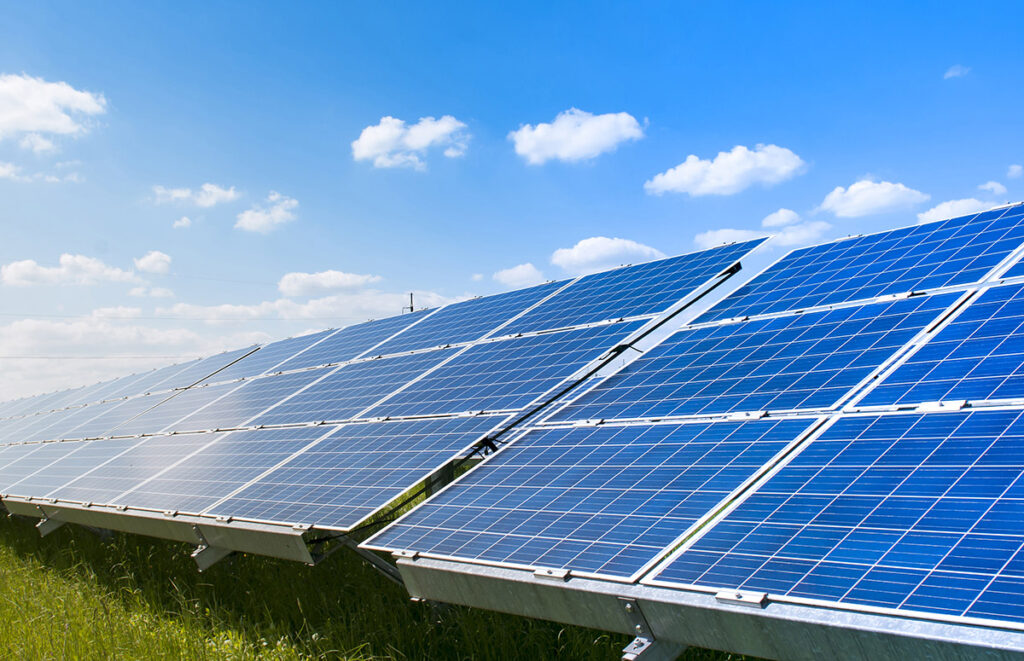
Solar energy production depends heavily on sunlight availability, making it intermittent and less predictable. Cloudy days, rain, snow, or nighttime reduce the system’s output, often requiring backup from the grid or battery storage.
In some geographic regions with limited sunlight or frequent storms, solar may not be a reliable standalone source of energy. Seasonal changes also affect efficiency, meaning energy output fluctuates throughout the year. This limits solar’s consistency without substantial investment in complementary energy storage.
3. Energy Storage Challenges
Solar systems often rely on batteries to ensure a continuous power supply during non-sunny hours. However, current battery technology can be expensive and has limitations in capacity and lifespan. Lithium-ion batteries, while increasingly common, still represent a substantial part of the system’s cost.
Flow batteries and other emerging technologies are promising but not yet widely adopted. The need for storage complicates solar adoption, especially for off-grid installations or areas without net metering or reliable grid backup.
4. Space and Roof Limitations
Not all buildings are suitable for solar installations. Roof orientation, angle, shading from trees or nearby structures, and roofing materials can all affect feasibility. Slate, cedar, or older roofs may pose installation challenges or extra operating costs.
In some cases, ground-mounted systems can be used, but these require open land. Large-scale solar farms need significant acreage, potentially leading to land use conflicts or environmental disruption. Space constraints can be a major issue, especially in urban settings.
5. Environmental and Disposal Concerns
Though solar panels produce clean energy, their manufacturing involves the mining and processing of rare materials like silicon, cadmium, and lead. These processes can release emissions and create waste.
Additionally, at the end of their lifespan (25–35 years), solar panels pose a recycling and disposal challenge due to hazardous substances. Without proper infrastructure for recycling, discarded panels may contribute to environmental pollution. NREL predicts that solar waste could reach 78 million tons globally by 2050 if not properly managed.
6. Grid Integration Issues
Solar energy variability can strain electrical grids, especially when solar adoption increases without corresponding infrastructure upgrades. Unlike traditional power sources, solar feeds into the grid irregularly, complicating the supply-demand balance.
Utilities may need to invest in grid modernization, including smart inverters and better energy forecasting. These changes can be costly and time-consuming. In some regions, outdated grid systems limit the extent to which solar energy can be deployed, reducing its effectiveness as a large-scale energy solution.
Is Solar Energy The Future Of Sustainable Energy?
Yes, solar energy is strongly positioned to be a dominant sustainable energy source in the future. One of the most compelling reasons for solar’s rise is its scalability and explosive growth. In the first quarter of 2024 alone, solar accounted for 75% of the global renewable energy capacity added to the US grid [SEIA].
According to the International Energy Agency (IEA), solar power represented 5.4% of the renewable mix in 2023 and is projected to more than double to 12.6% by 2028. This growth demonstrates solar’s increasing role in reshaping the global energy landscape.