
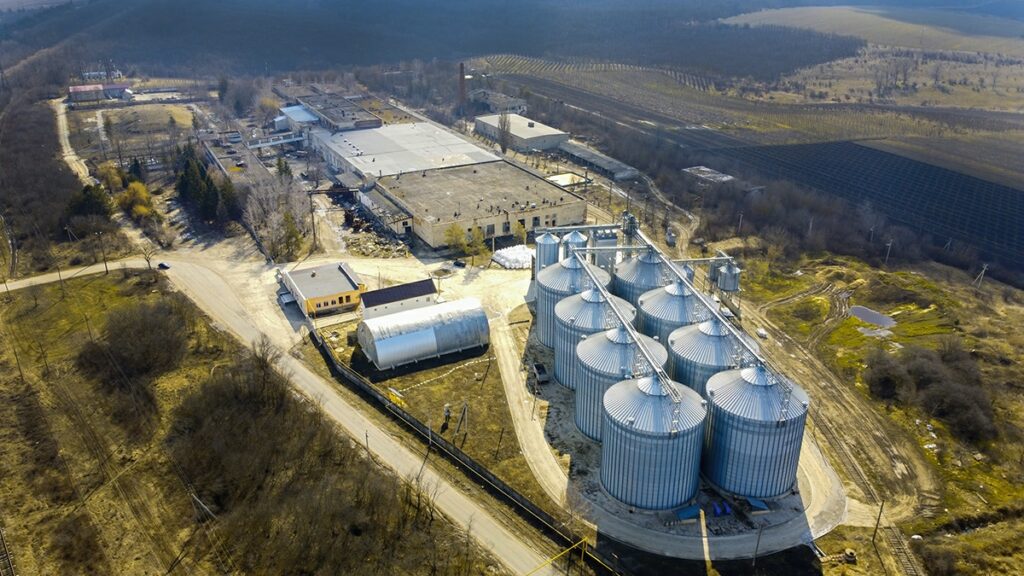
The production of biogas is placed in an interesting place between environmental science, chemistry and the feasibility of practical sustainability. It is a subject matter that really counts–not just to farmers who aim cut waste but also communities that wish to be energy independent and students who endeavor to learn how organic matter can literally boil a kitchen stove. However, there is the difficulty, well explaining biogas is not as easy as it sounds.
It deals with anaerobic digestion, microbial ecosystems, ratios of methane, and feedstock management. That is too much technical jargon to the layman. How do teachers, authors and researchers in the field make this subject matter available, and without being patronizing? Let us go through some of the most effective ways.
In this article:
Start With the “Why” Before the “How”
A majority of the educational materials on biogas miss the very initial step; they jump directly into the chemistry without the reader having any concern whatsoever with any of the chemistry. It is much more appropriate to start with a relatable hook. Just imagine a dairy farm that is choking in manure or a small village with no power supply. Biogas is the answer to actual issues and presenting them at the beginning will ensure that your audience has a motivation to continue reading.
Then when the stakes have been made clear, the technical material falls differently. Individuals are in a better position to learn when they know why anything is important to them or the world that surrounds them.
Use Visuals That Actually Explain the Process
The production of biogas is a covert process, it occurs in closed digesters or in underground tanks or covered lagoons. It will allow visuals to be not only useful, but necessitate them.
Key Visual Aids:
- Flowcharts of how organic waste becomes usable gas.
- Infographics of the individual steps of anaerobic digestion.
- Labeled cross-sections of biogas plants are all ways of helping learners create mental models of which they can actually retain.
For more engaging digital content, tools like an AI 3D Model Generator can be incredibly useful here. The educators would not need to make use of flat diagrams, but instead they can build interactive or rendered 3D models of the digester systems to allow the learners to view the structure in various angles. This especially comes in handy in online courses or self-paced learning contexts where a student is unable to tour a real facility.
Break Complex Concepts Into Digestible Pieces
There are four stages of anaerobic digestion, which include:
- Hydrolysis
- Acidogenesis
- Acetogenesis
- Methanogenesis
A layman would be scared by that sentence alone. The secret lies in describing every step as a mini-story of its own, what is going on, who does what (which microbes) and why it is important to the end product.
It is also easier to design lessons, videos, or modules of a workshop through chunking content this way. Rather than a single massive lecture, you get four smaller units, which progress with one another.
Incorporate Hands-On and Scenario-Based Learning
There are several factors to consider that would cement the concept in the learner’s mind and find a solution for the learning. One could bring learning to life by experimenting with different physical components on each occasion, try it themselves to understand and link. This hypothesis stands to gain a practical experience when demonstrated through a small activity on biogas. Let us now link student perception into an activity; this could be transformed into visiting a biogas working plant or finding out about a smallholder farmer who operates his or her own biodigester(sin-waste recycling facility). This is the real-world context that the textbook never provides.
Scenario-Based Learning
Scenario-based learning is the best alternative to field trips by online educators who are unable to provide them. Determine realistic case study:
- A small pig farm would like to install a biogas system.
- What feedstock will they use?
- What is the size of the digester required?
- And what becomes of the digestate?
Such practical situations turn abstract ideas into one that is really helpful.
Modify Your Type of Content to Your Backers
An individual of 12 years who is learning about renewable energy requires something entirely different than a 12-year-old individual who is doing the same thing but evaluating a system upgrade. Biogas teachers have to understand their audience and fit the format when they can best do that.
- For Younger Audiences: Short explainer videos, comic-style graphics, or animated breakdowns are the best. You could even convert photo to cartoon-style illustration to create characters that guide learners through the biogas process in a fun, approachable way — think of a cartoon cow explaining where its waste goes and why that’s actually a good thing. Such a creative style puts on the wrong foot those who think that the subject is too technical.
- For Professionals/Academics: Long-form articles, technical guides, webinars and virtual question and answer sessions, and case study reports will be more appealing.
Build in Assessment and Reflection
Quality educational content does not only give information but also makes sure that the learner has understood it. Quizzes, reflection questions, discussion questions, project-based assessment, etc. will all assist in strengthening learning and exposing gaps.
Practical assessments, in particular, are particularly effective when it comes to biogas content. Ask learners to estimate the yield of gas produced by a certain quantity of cow dung. Ask them to name the problematic feedstocks in a digester. These practical questions challenge the learners to think not only memorize.
A Final Thought
Good educational messages on biogas production are not only a matter of understanding the science but rather it is a matter of understanding how people learn and where to find them. Be relevant in the lead, heavily rely on good visuals, chop things into small manageable bits and keep the needs of your audience central to every design choice.
The potential of biogas as a clean energy source is enormous, yet that can only be fulfilled once the people are aware of it to a point where they can champion it, apply it, and can share it with others. And your content can make it. Make it count.