
For many businesses, energy used to be something that simply worked in the background. Companies switched on the lights, powered their equipment, ran their systems, paid their utility bills, and moved on to the next priority without giving much thought to where that energy came from or how vulnerable their operations might be if access to power suddenly became unreliable. That mindset is changing quickly as businesses face higher energy costs, pressure on electricity grids, more frequent extreme weather events, and growing expectations to reduce environmental impact while still maintaining dependable operations.
Renewable energy resilience sits at the center of that shift because it brings two important goals together, sustainability and reliability. It is not only about producing cleaner power or reducing emissions. It is also about making sure a business has enough flexibility to continue operating when energy markets fluctuate, the grid experiences disruptions, or unexpected events create pressure on normal power supply. For companies trying to build a more sustainable future, resilience is becoming less of an optional extra and more of a practical part of long term planning.
In This Article:
What Renewable Energy Resilience Means for Businesses
Energy resilience refers to a business’s ability to prepare for, respond to, and recover from disruptions in its energy supply while continuing to support critical operations. In practical terms, this can mean keeping essential machinery running during a power outage, maintaining refrigeration in a food facility, supporting digital systems in an office, or simply avoiding costly interruptions when electricity demand rises unexpectedly.
Renewable energy resilience adds clean and distributed energy resources into that strategy. Solar power, bioenergy, battery storage, and other local energy solutions can reduce a company’s dependence on a single source of electricity, particularly when all power is coming from a centralized grid. Instead of placing every operational need on one external system, businesses can build a more flexible energy mix that gives them additional options when conditions become less predictable.
This does not necessarily mean disconnecting from the grid or attempting to become fully energy independent. For many companies, the most realistic approach is to use the grid alongside renewable generation, energy storage, and other onsite resources so that each part of the system supports the others. The goal is balance rather than complete separation, and that balance can help businesses become more adaptable without forcing them into an all or nothing energy strategy.
Why Energy Security Is Becoming a Business Priority
Reliable electricity is easy to overlook when everything is working as expected, but even a short disruption can reveal how dependent modern businesses have become on continuous access to power. A brief outage can interrupt production lines, shut down digital systems, stop payment processing, affect refrigeration, delay deliveries, or leave employees unable to carry out essential tasks. In sectors where operations are highly energy intensive, the financial and operational consequences can become serious very quickly.
This is why energy security is increasingly becoming part of broader business risk planning. Companies are no longer looking only at the price they pay for electricity each month. They are also asking how exposed they are to sudden outages, grid congestion, changing utility rates, fuel price volatility, and other pressures that could affect the reliability of their energy supply.
Climate related risks are making that conversation even more important. Severe storms, heat waves, floods, droughts, and other extreme events can place significant strain on electricity infrastructure, particularly when demand rises at the same time as generation or transmission systems are under pressure. When a business depends entirely on an external power source, it may have limited control over what happens next.
Renewable energy resilience offers a more flexible way to approach that problem. By generating, storing, and managing some energy closer to where it is actually used, businesses can create additional layers of protection and reduce their exposure to a single point of failure.
How Renewable Energy Can Make Business Power More Flexible
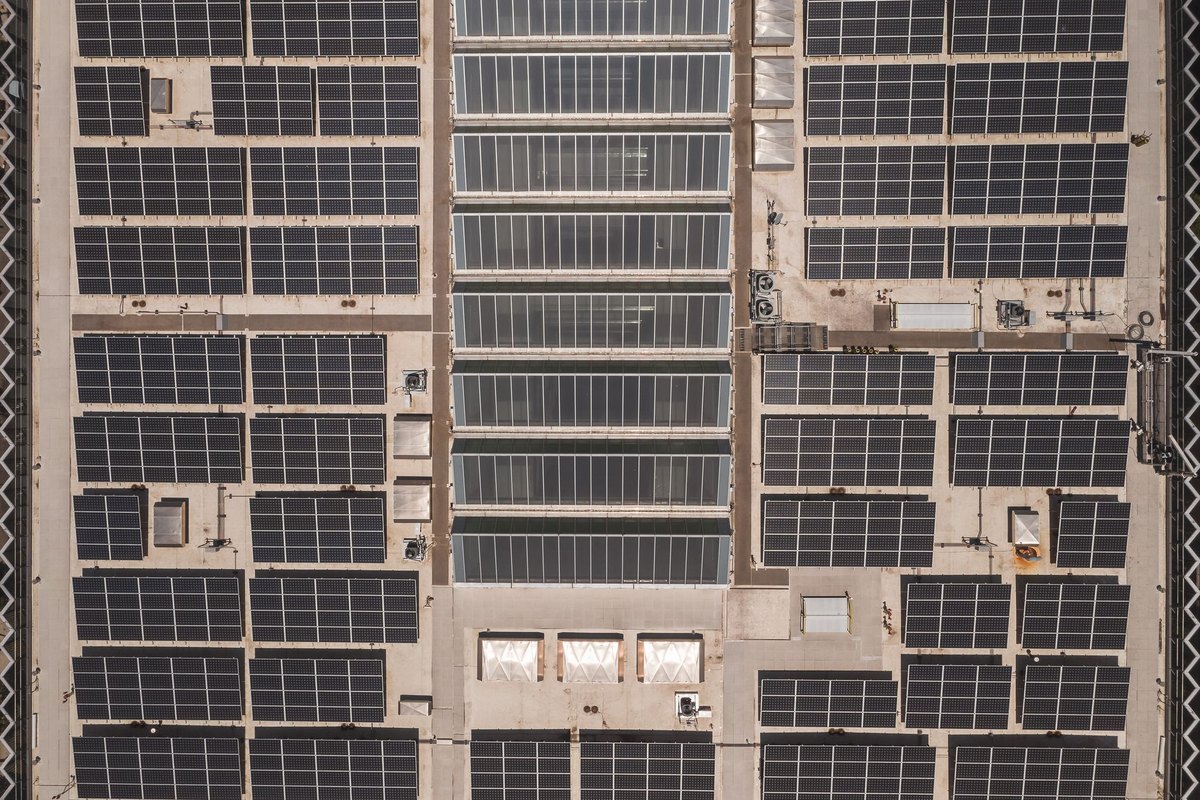
One of the biggest advantages of distributed renewable energy is that it gives businesses more control over how electricity is produced, stored, and used. A company with rooftop solar, for example, can generate part of its electricity onsite during daylight hours instead of purchasing every unit of power from the grid. When solar generation exceeds immediate demand, battery storage can allow some of that excess energy to be saved and used later when electricity prices are higher or when the grid is under greater pressure.
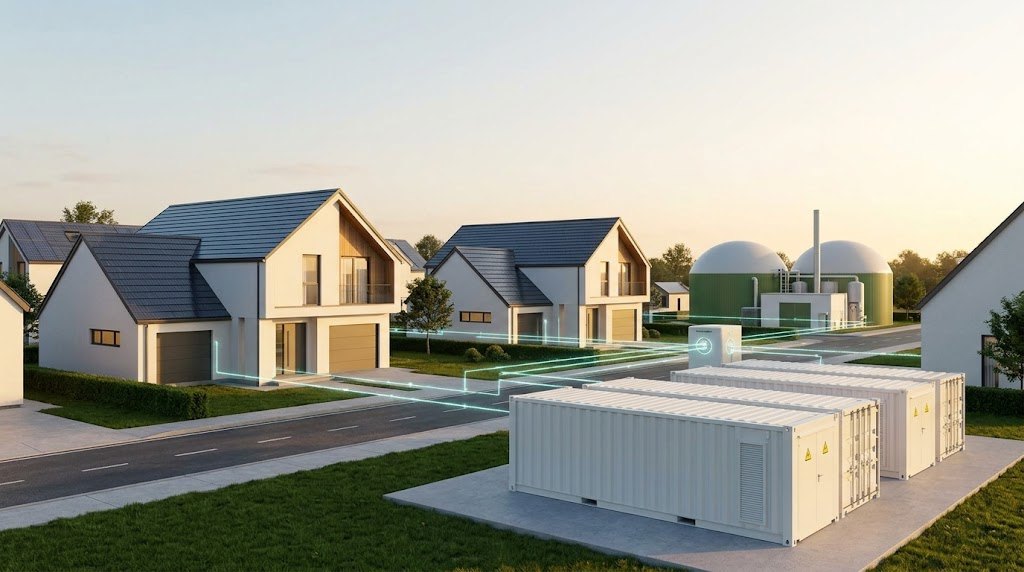
This kind of flexibility becomes even more useful when several technologies are combined rather than treated as separate solutions. A business might use solar generation during the day, store excess electricity in batteries, and rely on smart energy management systems to decide when stored power should be used. In some cases, microgrids can connect these resources and help manage them as one coordinated system, allowing critical operations to remain powered even if the wider grid is experiencing problems.
Businesses exploring distributed energy strategies can also look at how providers such as REC Power combine solar, storage, microgrids, and other onsite resources to support more flexible and resilient energy systems. The broader lesson is that resilience rarely comes from one technology alone. It tends to come from designing an energy system in which several resources can support one another and respond to changing conditions.
That flexibility can be especially valuable for businesses with unpredictable energy demand. Instead of reacting to every spike in electricity use or every change in utility pricing, companies can use local generation and storage to manage demand more strategically. Over time, this can help improve both reliability and cost control.
Sustainability and Resilience Work Better Together
For many years, sustainability efforts focused mainly on reducing environmental impact, lowering emissions, improving energy efficiency, and increasing the use of renewable power. Those goals remain important, but businesses are beginning to recognize that sustainability is stronger when it also considers whether essential operations can continue during periods of disruption.
A renewable energy project that reduces emissions but offers little support during a grid failure may still provide value, but it addresses only part of the challenge. A more complete energy strategy considers both environmental performance and operational reliability so that sustainability does not come at the expense of business continuity.
This is where technologies such as solar panels, battery storage, energy management platforms, and other distributed resources can become especially useful. They can help reduce a company’s environmental footprint while also giving it more control over when and how electricity is used. In other words, the same investment can often support several goals at once, from reducing emissions and managing costs to improving resilience and lowering exposure to outages.
For business leaders, this makes sustainability more practical. Instead of treating renewable energy as a separate environmental initiative, they can begin to see it as part of a wider operational strategy that supports long term stability.
Where Bioenergy Fits Into a Resilient Renewable Energy Mix
Solar and wind often receive the most attention in discussions about renewable energy, but bioenergy can also play an important role in building a more diverse and resilient energy system. Unlike weather dependent renewable sources, certain forms of bioenergy can provide controllable electricity or heat when suitable fuel sources are available, which can make them useful in situations where a steadier energy supply is needed.
Bioenergy can come from a variety of sources, including agricultural residues, organic waste, forestry byproducts, and other forms of biomass. In the right setting, these materials can be converted into useful energy instead of being treated only as waste, which creates a connection between renewable energy production, waste management, and circular economy principles.
A food processing company provides a simple example. Such a business may generate organic waste as part of its normal operations, and in some cases that material can be used to produce biogas or other forms of energy. This can help reduce waste disposal needs while also creating a local source of renewable power or heat.
However, bioenergy needs to be approached carefully because not every source of biomass is automatically sustainable. Land use, emissions, sourcing practices, biodiversity, transportation, and the long term impact of harvesting materials all need to be considered. A responsible approach looks at the full lifecycle of the energy source rather than assuming that anything biological is automatically environmentally friendly.
Practical Steps Businesses Can Take to Improve Energy Resilience
Improving energy resilience does not always need to begin with a large infrastructure project. In fact, one of the most useful first steps is simply understanding where the biggest energy risks already exist within the business.
Companies can begin by reviewing how much electricity they use, when demand is highest, which operations are most critical, and what happens when power is interrupted. Some systems may be able to tolerate a short outage without serious consequences, while others may require constant electricity to avoid financial loss, damaged equipment, safety concerns, or disruption to customers.
Once those priorities are clear, businesses can explore the combination of technologies that best fits their situation. Solar power might make sense for an organization with large roof space and high daytime electricity use, while battery storage may be more valuable for a company that wants to reduce peak demand or maintain critical loads during short outages. In other cases, bioenergy, backup generation, or a microgrid may form part of the solution.
There is no universal resilience strategy because every business has different operating patterns, energy needs, locations, and financial priorities. A manufacturing facility will face very different challenges from a retail store, a data center, or an office building, so the strongest approach is usually one that is built around actual operational needs rather than a standard package.
Measuring Performance Over Time
Installing renewable energy equipment is only the beginning of the process because businesses also need to understand whether their energy strategy is delivering the expected results. Without measurement, it can be difficult to know whether a new system is lowering costs, improving reliability, reducing emissions, or creating the level of resilience the company hoped to achieve.
Energy costs are an obvious starting point, but they should not be the only measure. Companies can also track renewable energy generation, peak demand, carbon emissions, system reliability, storage performance, and the amount of downtime avoided during disruptions. These indicators provide a clearer picture of how the energy system is performing in real conditions.
Performance data can also help businesses make better decisions over time. If energy demand changes, operations expand, or new technologies become available, the company can adjust its strategy instead of relying on assumptions that may no longer be accurate.
Why the Future of Sustainable Business Depends on Resilient Energy
The idea of sustainable business is becoming broader because companies are realizing that environmental responsibility and operational reliability are closely connected. Reducing emissions and switching to cleaner energy remain essential goals, but businesses also need power systems that can adapt to changing conditions, manage uncertainty, and support critical operations when external systems are under pressure.
Renewable energy resilience brings these priorities together by combining cleaner generation with flexibility, local control, storage, and smarter energy management. Solar, bioenergy, battery systems, microgrids, and other distributed resources can all play a role depending on the needs of the organization and the conditions in which it operates.
The real goal is not simply to prepare for the next power outage. It is to build an energy system that gives a business more options when circumstances change and fewer reasons to be caught off guard.
For companies that are serious about sustainability, this kind of flexibility is becoming increasingly important. A cleaner energy system is valuable, but a cleaner system that is also dependable, adaptable, and prepared for disruption offers something even more useful, a stronger foundation for long term business resilience.