
Sustainable energy may be all the buzz these days, but this has been practiced by farms way before it became trendy. Farmers know the actual effort it takes to actually produce crops or raise livestocks, so they usually find ways to make use of everything, even the waste products.
For example, they use livestock manure and crop residues to produce methane gas, which they then use for cooking and heating.
Producing these energy sources not only helps farmers save on energy costs. It also has a positive impact on the environment, like lowering greenhouse gas (GHG) emissions and reducing pollution through sustainable waste product management.
Below, let’s examine the strategies used by many farmers to accomplish this goal and emphasise the advantages of helping farmers realise their energy-producing potential.
In this article:
Where Energy Is Used Across the Farm
Most people might think that farms only need soil and fertilizers, but it is actually energy-hungry. According to the Food and Agriculture Organisation, much of a farm’s energy goes into three main areas: irrigation, fieldwork like tillage, and the production and use of chemical fertilisers.
Diesel powers tractors for ploughing, planting, spraying, and harvesting. Water for irrigation is often pumped using electricity or fuel. A significant amount of energy is also linked to making fertilisers, especially nitrogen-based ones produced through energy-intensive processes.
Beyond the field, energy is used for grain drying, cold storage, transport, and even maintaining infrastructure such as farming sheds, where lighting, ventilation, and equipment all add to overall consumption.
Improving efficiency in these areas can make a real difference. That’s why being able to turn agricultural waste into energy is extremely beneficial. By producing their own energy from available materials, farmers can lower costs while also reducing their environmental impact, making everyday operations more sustainable.
Sustainable Agriculture Driving the Future of Biogas Production
According to the European Biogas Association’s 2023 database, agriculture plays a major role in biogas and biomethane production across Europe. Around 67% of biogas and 64% of biomethane come from agricultural sources, including manure, crop residues, and other agricultural byproducts.
A recent Guidehouse report, Biogases towards 2040 and beyond, suggests this connection will only grow stronger, estimating that by 2040, about 82% of biogas potential will come from agriculture, 43% from sequential crops, 20% from agricultural residues, and 19% from animal manure. This highlights how closely renewable gas production is tied to farming systems.
Several environmental projects now focus on unlocking the potential of livestock farming to produce biogas. The aim is to support wider use of renewable energy, increase the role of bioenergy as a flexible source, and reduce emissions from untreated animal waste, while also contributing to local jobs and economies.
Understanding How Biomass Becomes a Useful Resource
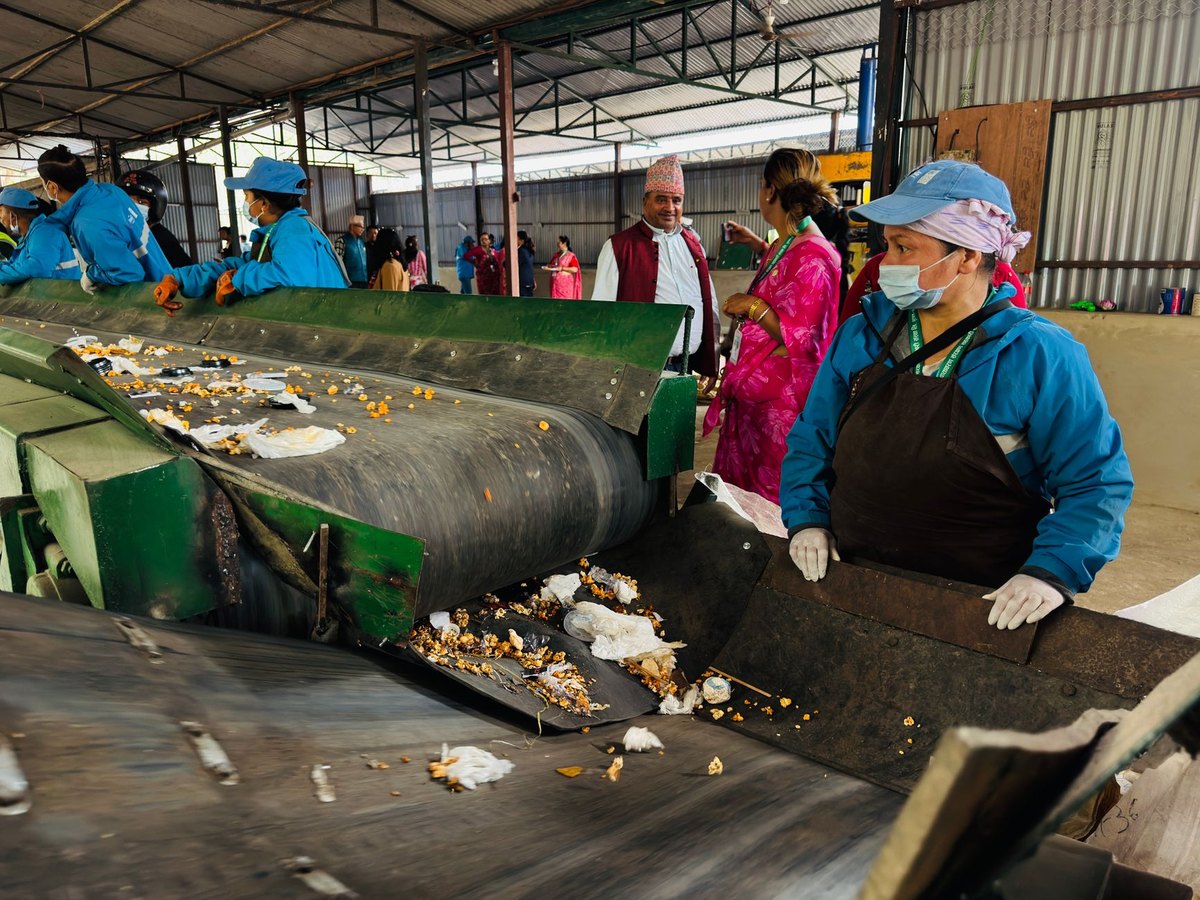
To turn agricultural waste into useful products, you need a mix of thermochemical and biochemical processes that turn leftover biomass into energy and fertilizer. Instead of throwing away crop leftovers and organic waste, you can turn them into biofuels, biochemicals, and even bioplastics. This gives them a second life outside of the field.
One of the easiest ways is combustion, in which biomass is burned to generate heat or electricity. It still releases carbon dioxide, but it’s thought to be more environmentally friendly than fossil fuels because it fits into the natural carbon cycle.
Though it is better known for making alcoholic beverages, fermentation is another way to produce fuels. This process produces ethanol from crops like sugarcane or corn. This can then be used as a biofuel for flexible fuel vehicles.
Pyrolysis is a more advanced process that heats biomass in the absence of oxygen to produce biochar, bio-oil, and syngas. Biochar can make soil healthier, and the other products can be turned into fuels. Gasification is similar, but it uses less oxygen to make syngas, which can be used for energy or turned into chemicals.
These methods show how agricultural waste can be turned into a useful resource rather than a by-product.
Producing Bioethanol from Agricultural Waste
As the global population grows and industries develop, the demand for ethanol continues to rise. Traditionally, ethanol is produced from crops like corn and sugarcane, but these are also essential food sources. Relying on them for fuel creates pressure on food supply, which is why attention is shifting toward agricultural waste as an alternative.
Materials such as crop residues, straw, and other plant waste are widely available, low-cost, and renewable. This makes them an appealing option for producing bioethanol without competing with food production.
However, turning these materials into fuel isn’t straightforward. Agricultural waste is tough and fibrous, so it needs to be broken down before it can be used. This process, called pretreatment, is one of the biggest challenges.
When done properly, pretreatment helps release sugars from the biomass, which can then be fermented into ethanol. Improving this step can make the whole process more efficient.
Overall, while there are still hurdles, using agricultural waste for bioethanol offers a promising path toward more sustainable energy.
Waste Is a Missed Opportunity Until You Use It
Waste from farming isn’t really waste; it’s potential that hasn’t yet been realised. Farms that turn leftover food into energy to save money and cut down on pollution. When farms use what’s available, farming becomes not only productive but also practical and sustainable.