
The energy transition is not driven by a single technology; rather, it is driven by a whole host of them. It is created through a multitude of sources as they all address different needs. Bioenergy provides heat, fuel, and dispatchable power. In most markets, solar is the most cost-competitive source of new electricity.
Enclosed between them is another category that is growing rapidly but less heralded: small, mobile, clean power systems that deliver power where the grid cannot. The ability to see the bigger picture assists households, farms and communities in making better energy choices.
In This Article:
Solar Is Leading the Expansion
The International Energy Agency’s Renewables 2025 report projects that 80% of the 4.6 TW of new renewable capacity installed in the world by 2030 will be solar PV. It also points out that the reduction in costs and quickness of permitting are contributing to this growth. The latter, IEA Global Energy Review 2026, projects that some 605 GW of new solar PV will be connected to the global grid in 2025. Total RE additions increased by around 800 GW, the 23rd successive record year.
The majority of the headlines are related to rooftop and utility-scale solar farms. The same technology is also being duplicated in versions small enough to be put in a suitcase and carried anywhere by anyone in just minutes.
Bioenergy Remains the Quiet Giant
Although solar is the most commonly added form of new electric generating capacity, bioenergy remains a significant contributor to overall energy consumption. The IEA refers to modern bioenergy as the “unseen giant” of renewables. According to the IEA, modern bioenergy provides approximately 50 percent of the total amount of renewable energy utilized worldwide.
Most of this energy is utilized to provide heating for homes and businesses as well as fuel for transportation systems. REN21’s Global Status Report estimates that modern bioenergy accounts for approximately 5 percent of the total worldwide demand for final energy.
The reason why a site such as the Global Bioenergy Partnership has value is that biogas, biomethane, wood pellets, liquid biofuels, and agricultural waste are all able to provide solutions to issues that cannot be addressed by solar panels alone (e.g., high-temperature industrial heat, shipping and aviation fuel, and waste-to-energy conversion). Additionally, the IEA predicts that the share of global heating provided by renewable energy will increase from 14% to 18% by 2030, with bioenergy as a significant component of this increase.
Why Portability Changes the Equation
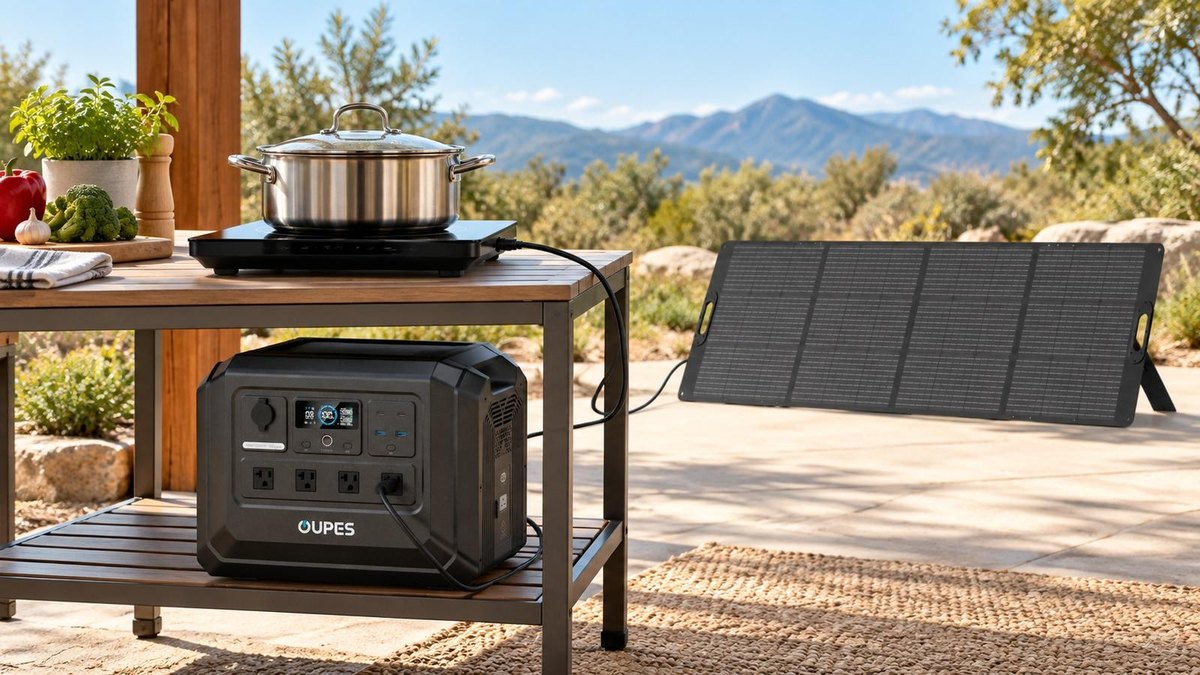
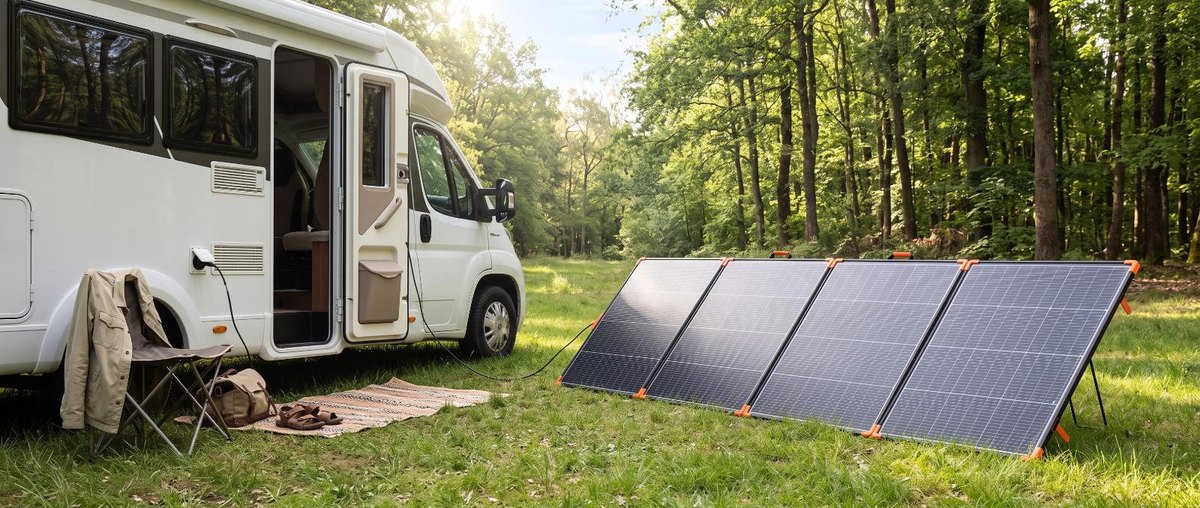
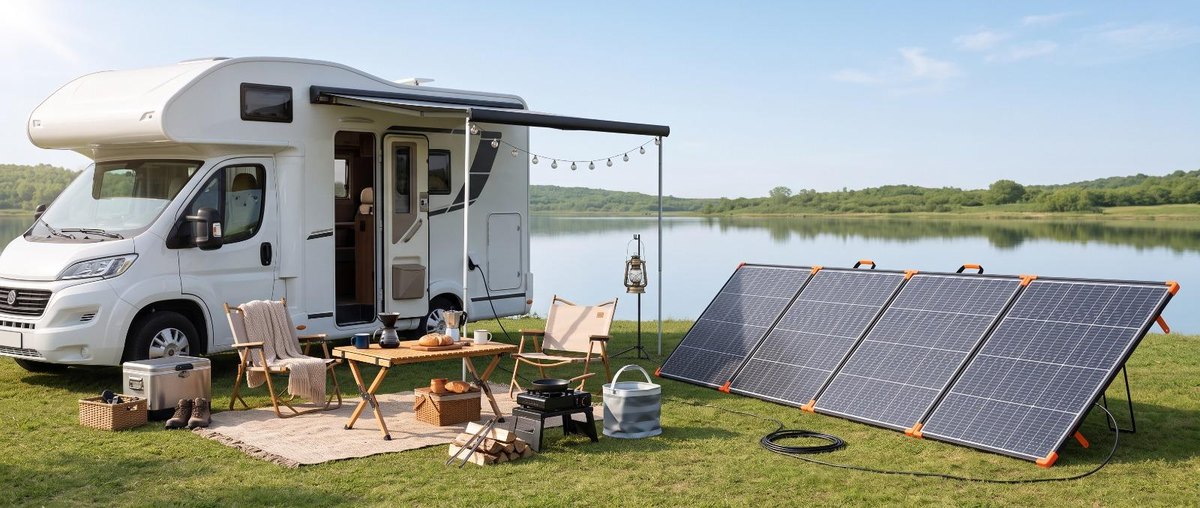
Permits, mounting, wiring, and capital are required for a fixed installation. Portable solar panels get rid of most of this. They are not attached to a roof, but spread on a lawn, a farm gate, a campsite or disaster-relief site. They can be used in combination with a battery or power station to charge phones, operate lights, activate small pumps, or maintain the life of medical devices and refrigeration.
Their value shows up in several situations:
- Remote and off-grid areas: Off-grid communities and those remote to the main electric grid can operate their minimal load requirements with no reliance on fuel delivery.
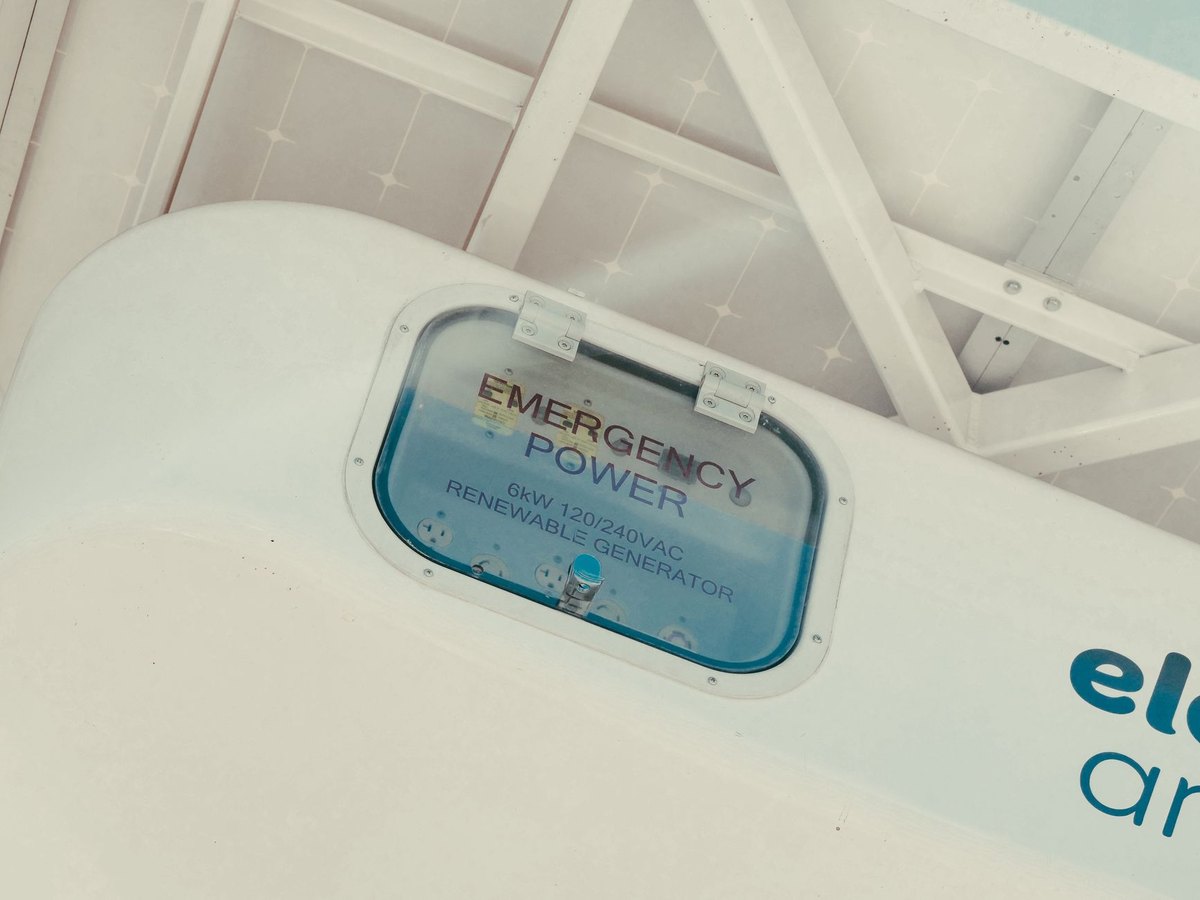
- Emergency preparedness: The growing number of power outages caused by storms, floods, and extreme temperatures (heatwaves) has led to the development of a portable system that will provide homeowners with a quiet, zero-emission alternative for emergency power.
- Outdoor work and recreation: Camping, boating, RV travel, and field research are examples of outdoor activities that require lightweight, rechargeable power.
- Flexibility for renters: The ability of people who cannot change a physical structure to produce their own clean power.
The Global Bioenergy Partnership blog recently discussed solar generator sizing and its benefits. This shows a growing interest among our readers in decentralized and resilient forms of energy production.
Where Solar and Bioenergy Work Together
In many cases, solar and bioenergy are presented as rivals; however, they can work together very effectively, particularly in rural areas.
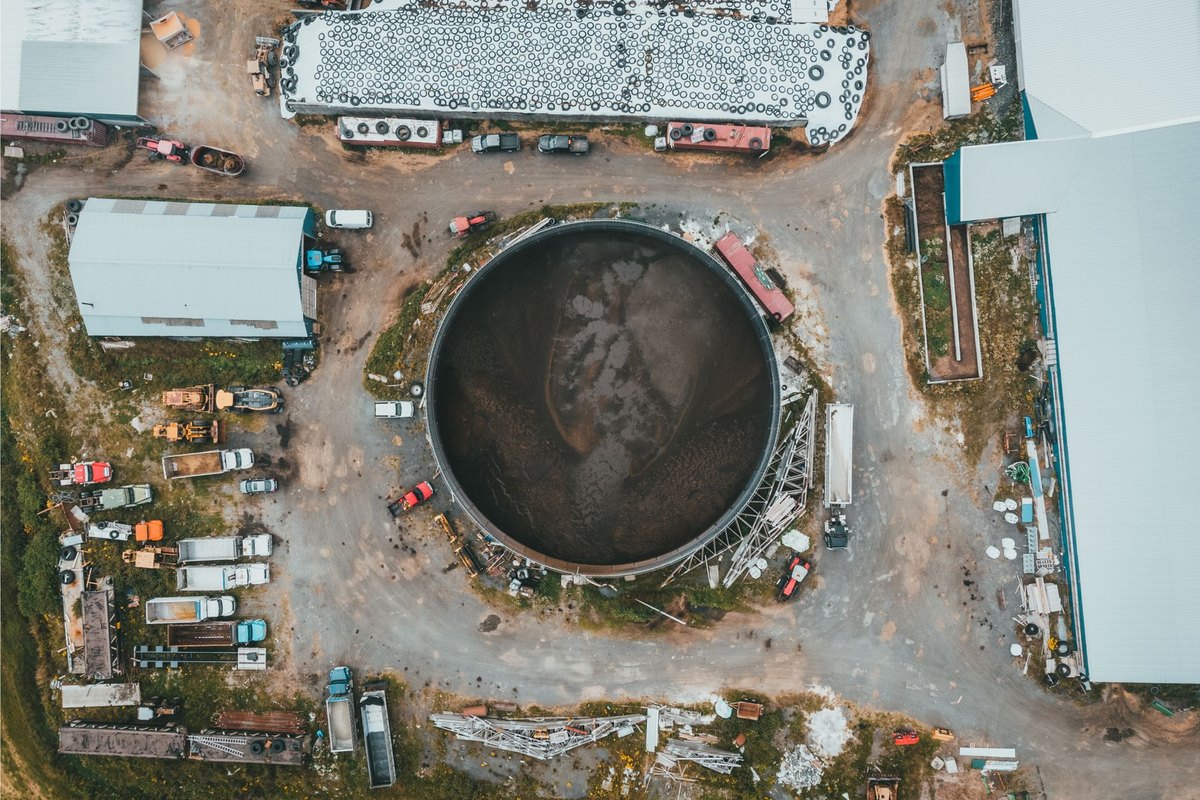
- Biogas facilities require small amounts of electrical energy. Pumps, mixers, sensors, and monitoring devices are used in digesters. Portable solar energy may be utilized to provide electricity for temperature probes, gas meters, and data loggers when it would not be feasible to install a power cord to these locations.
- Farms can utilize both. One example of how a farm may do so is by utilizing manure or crop residue to create biogas that will be used for heating and cooking, while the use of solar panels would cover the irrigation controls, fence charger, lights, and device charging. Both sources are utilized to meet the demand that each can fulfill most effectively.
- A diversified system provides better resilience. Solar energy production is dependent upon weather conditions and hours of sunlight per day, whereas biomass provides an alternative energy source that can be produced and utilized as needed. A combination of these types of systems reduces the probability of a catastrophic failure.
- Making the transition to clean cooking is a transition that needs support. Many households still use traditional biomass as a fuel source during cooking time with open fire at this time. Consequently, such practices have harmful impacts on people’s health. On the other hand, clean biogas or improved cookstoves (with small solar systems for electric lighting and charging devices) can improve access to energy resources and air quality.
How to Choose a Portable Solar Panel
Not every panel suits every need. A few practical factors make the difference.
1. Wattage and daily energy needs
Total wattage of all devices you plan to power and the total time each device will be in operation. The smaller the panel you choose, the slower it will charge; this can become a serious problem when the sky is cloudy. Keep in mind that most panels produce less than their advertised rating due to factors such as the angle of the sun, the temperature of the panel, and any shading that may occur on the panel.
2. Efficiency and size
Efficiency and Size: Cells with higher efficiency will generate more electricity per unit of area than cells with lower efficiency. This can be important when you have to transport the cell. Monocrystalline panels are typically the most space-efficient.
3. Portability and build quality
Folded dimensions, weight, and whether a carrying case is provided are three key factors to consider when purchasing an item. In addition, when buying items that you plan on using outdoors on a regular basis, there are other characteristics you should look for such as a strong frame, water-resistant materials, and reinforced stitching/hinges.
4. Compatibility
Compatibility. Make sure that the connectors, voltage, and maximum input of the solar panel are compatible with those of your battery/power station. Compatibility is one of the top causes for customer dissatisfaction.
5. Battery pairing
Battery pairing. Panels with no storage will only work during daylight hours. A battery will allow you to store solar power for night and when the power is out.
When comparing, you can check out a battery of portable solar panels designed for camping, travelling and home backup, and match them to your requirements in wattage and portability.
6. Sustainability Beyond the Panel
Clean power should be clean throughout its lifecycle. The first thing to take into account is the durability of the product when purchasing anything solar: the lower the kWh impact of replacing the solar panel, the longer it lasts. Make sure to follow warranty guidelines; store properly and keep panels clean to ensure good performance. When electronics are at end of life, consider electronics recycling and PV material recycling programmes instead of sending to landfill.
The argument is similar to bioenergy. GBP’s efforts on sustainability indicators are an outgrowth of the fact that choice of feedstock, management of land use, and accounting of greenhouse gas emissions (GHGs) are the factors that determine whether a fuel is actually good for the climate. Residues and wastes typically have the highest sustainability benefit, and the least well-sourced biomass can detract from sustainability.
Practical Tips for Getting Started
- Audit your needs: Identify devices and calculate the daily watt-hours.
- Start small: Putting together a small panel and battery to provide lights, communications, and telephones provides actual resilience.
- Place panels well: Turn them into the sun and never into the shade of one branch or another, or output will be significantly reduced.
- Maintain your system: Regularly wipe down for dust and keep cables and panels out of the dust.
- Think in layers: Use solar with other renewable energy sources, where appropriate, such as biogas or efficient biomass heating.
The Bottom Line
The world is installing more renewable energy than ever before, and solar energy is at the forefront. But there is always going to be a portfolio of reliable, affordable, and sustainable energy: bioenergy for heat and fuel; large-scale solar and wind for electricity; and portable flexible systems for resilience and access. This is because solar has become increasingly consumer-friendly, with companies like ZOUPW Solar Panels exemplifying that.
From running a farm, to planning for outages, or simply looking into more eco-friendly ways of living, the message is the same. The energy transition is most effective when each clean technology is in the place where it can do what it’s best at.