

Bioenergy units now provide around 9% of the world’s supply, and many are installed every day across global industrial grids. As these anaerobic digesters and biomass boilers move from the assembly line to the field, the gap between a blueprint and a functional machine becomes a liability.
A single loose seal or a miscalibrated sensor in a biogas CHP unit does not just cause a minor delay. It creates a safety hazard that can compromise an entire facility.
Validating bioenergy equipment at the end of the line is the final gatekeeper for operational safety. You are looking for more than just a green light on a dashboard. You need to ensure the hardware can withstand the specific chemical and thermal stresses of organic fuel conversion.
In this article:
Pressure Integrity And Leak Detection
The first priority in any bioenergy validation flow is to contain volatile gases. Biogas is notoriously difficult to manage because even microscopic leaks can lead to significant methane loss or explosive concentrations in enclosed spaces. Technicians often rely on a rigorous manufacturing quality control testing process to catch these flaws before the unit is crated for shipment. This phase involves more than a simple visual check.
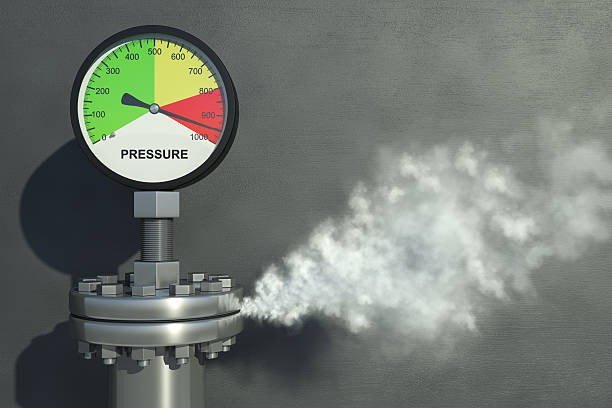
High-pressure pneumatic testing identifies structural weaknesses in the digester tank or boiler jacket that might fail under load. Nitrogen is often used as a trace gas because it is inert and easy to detect with specialized sensors. If the pressure drops even slightly over a ten-minute window, the unit fails the station.
You should follow a specific sequence to ensure no component is overlooked during this high-stakes phase:
- Verify all flange bolts meet specific torque requirements
- Monitor pressure transducers for any deviation during the hold period
- Inspect welded seams using ultrasonic leak detection tools
Consistent testing prevents the expensive nightmare of field recalls. When a biomass boiler fails at a customer site, the repair cost is compounded by travel expenses and brand damage. Catching a faulty gasket at the factory costs pennies compared to a forensic teardown in a remote farm or utility plant.
Electrical Systems And Control Logic
Modern bioenergy systems are essentially computers that happen to burn organic matter. The control logic governs everything from fuel feed rates to emergency shutdown sequences. Validating electrical integrity ensures that the sensors communicating with the PLC provide accurate data. Without this accuracy, the system cannot maintain the delicate balance required for efficient combustion or fermentation.
Every safety shut-off valve must be tripped manually during the test to verify response times. According to the IEA Bioenergy quality standards, a delay of even two seconds in a gas shut-off sequence can exceed safety thresholds. These automated checks are the only way to guarantee the machine will protect itself when things go wrong in the real world.
Data logging during these tests provides a digital birth certificate for the machine. By recording the exact electrical load and signal noise during the EOL phase, you create a baseline for future maintenance. If a sensor starts to drift three years from now, the service team can refer to the original factory data to see what “normal” looked like for that specific serial number.
Emissions Baselining And Performance Benchmarks
The final step involves firing the unit to measure its actual output against the engineering specifications. For biomass boilers and CHP units, this means analyzing the exhaust stream for carbon monoxide and nitrogen oxides. If the emissions are too high, the combustion timing or air-to-fuel ratio is likely off.
The benchmarks for CHP efficiency suggest that even a 3% deviation from the rated output can signal a mechanical misalignment. Performance testing at the end of the line confirms that the unit meets the environmental regulations required for the customer to receive green energy credits.
Beyond the environmental impact, this testing phase validates the ROI for the end user. A biomass boiler that produces 5% less heat than promised is a financial failure for the buyer. By baselining the performance at the factory, you provide the customer with the confidence that their investment will perform as advertised from day one.
Securing Long Term Operational Stability
Passing the end of line test is the only way to move a product from the factory floor to the shipping dock. It is the definitive proof that the design works in practice. This process bridges the gap between theoretical engineering and the messy reality of industrial energy production.
Reliable validation reduces the total cost of ownership by preventing early-life failures. When you prioritize a thorough EOL protocol, you are investing in the longevity of the equipment and the safety of the operators. Every data point collected during this final check serves as a shield against future downtime.
To learn more about bioenergy and associated technologies, don’t go anywhere, as our site is packed with coverage relevant to your needs.