
Energy resilience has quietly shifted from a niche concern to a mainstream priority. What was once mainly discussed among off-grid enthusiasts or rural property owners is now part of conversations in urban planning meetings, real estate development, and even household budgeting. Climate volatility, grid instability, rising energy demand, and the electrification of heating and transport have all exposed a simple truth: reliable energy is no longer something we can take for granted.
For property owners, developers, and land managers, resilience is not just about keeping the lights on. It is about protecting asset value, ensuring operational continuity, and creating spaces that remain functional under stress. True energy resilience blends smart design, diversified energy sources, and the right physical equipment to support independence when systems are strained.
In this article:
Why Energy Resilience Matters More Than Ever
Extreme weather events are becoming more frequent and more disruptive. Heatwaves strain grids, storms knock down transmission lines, and wildfires force preventive blackouts. Even in highly developed regions, temporary outages can last hours or days. For commercial properties, that can mean lost revenue and damaged inventory. For homes, it can mean spoiled food, lack of heating or cooling, and compromised safety systems.
Beyond weather, grid congestion and aging infrastructure are growing concerns. As more devices and vehicles draw power, peak demand periods become harder to manage. Utilities increasingly rely on demand response and rolling outages to stabilize supply.
Energy-resilient properties are designed to ride through these disruptions. They reduce reliance on a single energy source and incorporate systems that provide autonomy, flexibility, and redundancy.
The Core of Resilience: Diversified Energy Systems
A resilient property rarely depends on one solution. Instead, it combines:
- On-site generation
- Energy storage
- Efficient consumption
- Backup systems
- Smart controls
Solar photovoltaic systems have become a foundational element. They are scalable, increasingly affordable, and compatible with both grid-tied and off-grid setups. But generation alone is not enough. Without storage, solar systems shut down during many outages for safety reasons, leaving owners exposed exactly when they need power most.
This is where energy storage plays a decisive role. Integrating a solar battery backup into a property’s energy system allows excess daytime generation to be stored and used during outages, at night, or during peak pricing periods. Properly sized battery systems can support critical loads such as refrigeration, communications, medical devices, water pumps, and security systems. For some properties, they can even maintain near-normal operation for extended periods.
Importantly, resilience is not about maximizing capacity at any cost. It is about prioritizing essential circuits, designing for realistic scenarios, and ensuring systems are professionally specified and maintained. A well-designed smaller system that reliably supports critical loads is often more valuable than an oversized system that is poorly integrated.
Designing for Practical Backup Power
Backup power planning should start with a clear-eyed audit. What must stay on? What can wait? Which systems are mission-critical versus comfort-related?
Critical loads often include:
- Lighting in key areas
- Refrigeration and food storage
- Internet and communications
- Sump pumps and water systems
- Security and access control
- Medical or care equipment
Once priorities are defined, system design becomes more rational. Hybrid inverters, automatic transfer switches, and load management tools can ensure that stored energy is used wisely. In many cases, pairing solar and battery storage with a generator creates a layered safety net. Solar covers daily needs, batteries smooth variability and handle short outages, and generators provide extended backup during prolonged disruptions.
Energy resilience also intersects with efficiency. Well-insulated buildings, passive design, and efficient appliances reduce total demand, making backup systems more effective. Every watt not needed is a watt that can be stored or redirected.
Resilience Beyond the Building Envelope
Energy resilience does not stop at the meter. For properties in rural, forestry, or agricultural contexts, the surrounding land and infrastructure matter just as much. Access roads, vegetation management, and material handling can all affect how well a property withstands and recovers from disruptions.
For example, overgrown vegetation near structures and power lines increases wildfire risk and can interfere with backup systems. Poorly maintained land can limit access for repairs or fuel delivery. In off-grid or semi-off-grid environments, physical tools and machinery become part of the resilience equation.
This is where robust, field-proven equipment plays a role. Landowners who manage acreage or remote properties often rely on durable tools for clearing, processing, and maintaining their land. Suppliers like Equipment Outfitters cater to these needs with machinery suited for wood processing, land clearing, and property maintenance, tasks that directly support safer, more self-reliant operations. When storms bring down trees or block access routes, having the right equipment on hand can significantly shorten recovery time.
In this sense, energy resilience and land stewardship are intertwined. A property that can generate and store power but cannot maintain safe surroundings or clear damage quickly is only partially resilient.
Maintenance: The Often Overlooked Factor
No system is resilient if it fails when needed. Maintenance is the unglamorous but essential backbone of reliability. Batteries degrade, generators need testing, inverters require firmware updates, and mechanical equipment needs servicing.
Best practices include:
- Regular system testing under load
- Scheduled inspections
- Clear documentation of system design
- Training for property managers or owners
- Relationships with qualified technicians
Professionals looking to become a property manager should pursue certification that covers emergency energy procedures, critical-load prioritization, and routine testing of generators, inverters, and battery systems—turning resilience planning into day-to-day practice.
Resilience planning should include lifecycle thinking. Components will need replacement or upgrades over time. Budgeting for this ensures systems remain dependable rather than becoming symbolic installations that rarely function as intended.
The Human Element
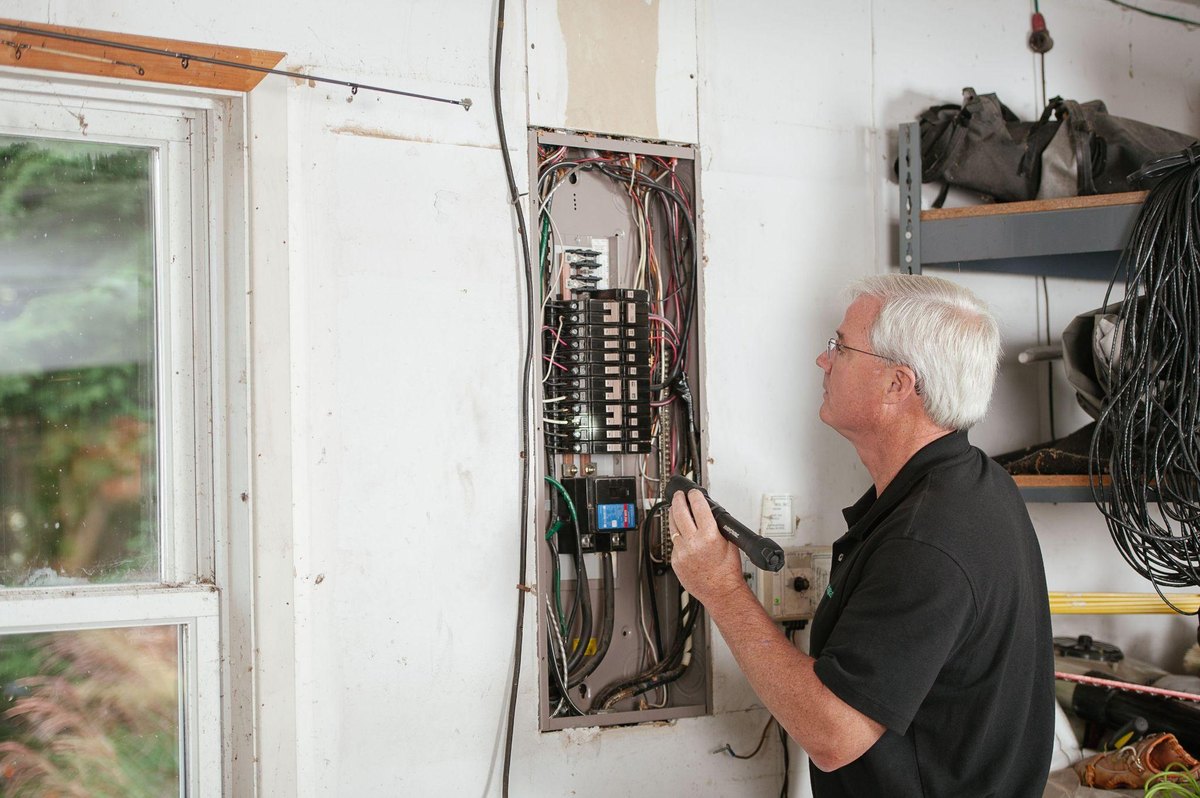
Technology alone does not create resilience. People do. Clear procedures, awareness, and preparedness matter. Occupants should know how to operate backup systems safely, where critical shutoffs are, and what to prioritize during an outage.
For larger properties or facilities, simple emergency energy plans can make a significant difference. These might outline:
- Which loads are critical
- How long backup systems are expected to last
- When to start generators
- Who to contact for technical support
Training and clarity reduce panic and improve decision-making under pressure.
Energy resilience is moving from optional to expected. As sustainability goals rise and climate uncertainty grows, properties that can maintain function during disruptions will be more attractive to buyers, tenants, and investors. They signal foresight, risk awareness, and long-term value.
The most successful resilient properties do not rely on a single miracle technology. They combine renewable generation, storage, efficient design, and practical equipment that supports the broader ecosystem of the property. They are thoughtfully designed, well maintained, and aligned with real-world needs.
In the end, resilience is about continuity. It is about ensuring that when systems are stressed, life and work can go on with minimal disruption. For property owners willing to plan ahead, the tools and technologies already exist. The real step forward is choosing to treat resilience not as a luxury, but as a core feature of modern property design.