
In recent years, extreme weather events have grown more frequent and more destructive. Hurricanes, wildfires, winter storms, and heatwaves are no longer isolated phenomena—they are part of a changing climate that is testing the reliability of our power systems.
For millions of households, a sudden blackout can now mean more than temporary inconvenience. It can threaten food safety, communication, and even health.
As these risks rise, the idea of energy resilience—the ability to maintain or quickly restore power when the grid fails—has moved from an engineering term to a household concern. And at the heart of this new resilience lies one clear solution: renewable energy storage.
In this article:
1. When Weather Turns Extreme — The Hidden Weakness of the Grid
Modern life depends on a centralized electricity grid built decades ago for stability, not adaptability. When violent storms hit, transmission lines snap, substations flood, and entire regions can go dark for days or weeks.
In 2023, the United States alone recorded more than 20 major weather-related power outages. Some communities waited more than a week for full restoration. Similar scenes have unfolded in Europe, Asia, and Australia, revealing how fragile centralized power can be under climate pressure.
This growing vulnerability has led engineers and policymakers to rethink energy at the local level. Instead of relying solely on a national grid, homes and communities are exploring decentralized systems that can generate and store their own electricity—systems that continue to operate even when the wider grid fails.
2. What Energy Resilience Really Means
Energy resilience is more than having a backup generator. It means designing an energy system that can endure shocks—physical, economic, or environmental—and recover without losing essential services.
Hospitals, data centers, and emergency shelters have long relied on backup power to protect lives and operations. Today, the same principle is reaching ordinary neighborhoods.
True resilience combines several elements: renewable generation (such as solar panels), efficient battery storage, smart control systems that balance supply and demand, and the ability to disconnect from the grid when needed.
When these components work together, they form an independent safety net—one powered by clean energy rather than fossil fuels.
3. Renewable Storage: Power That Adapts
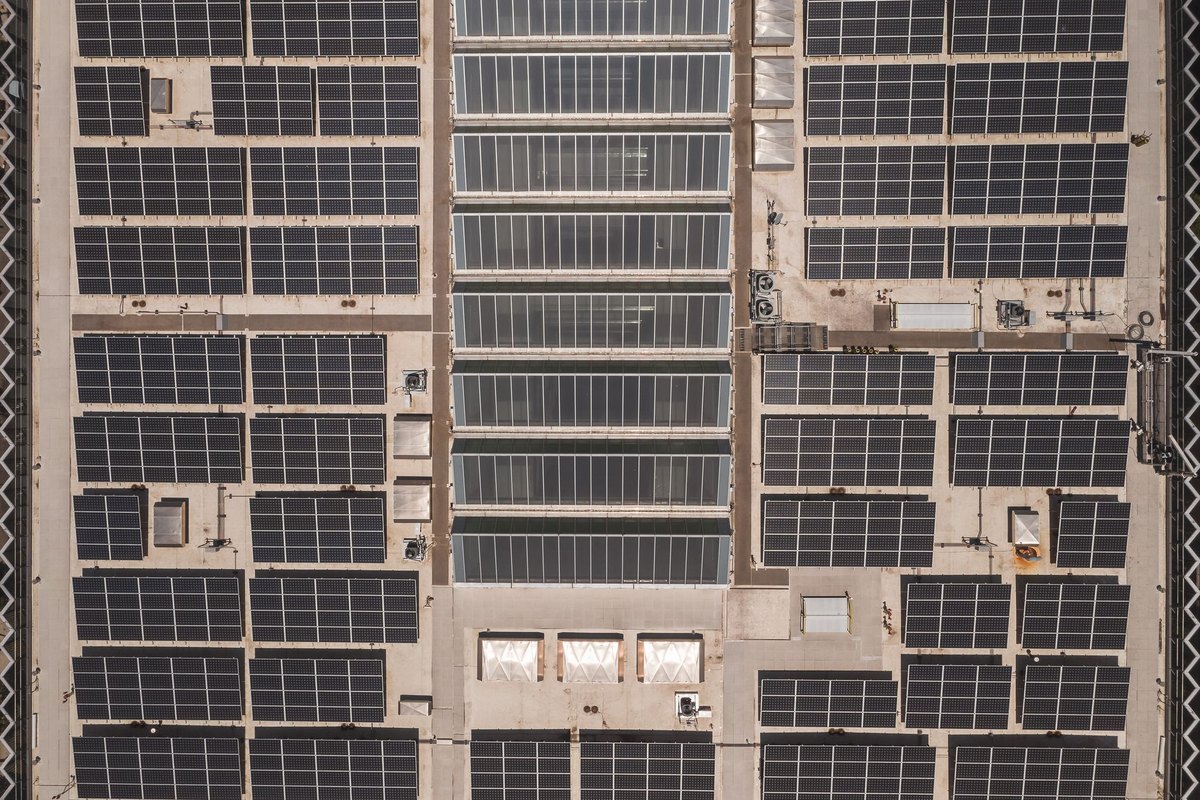
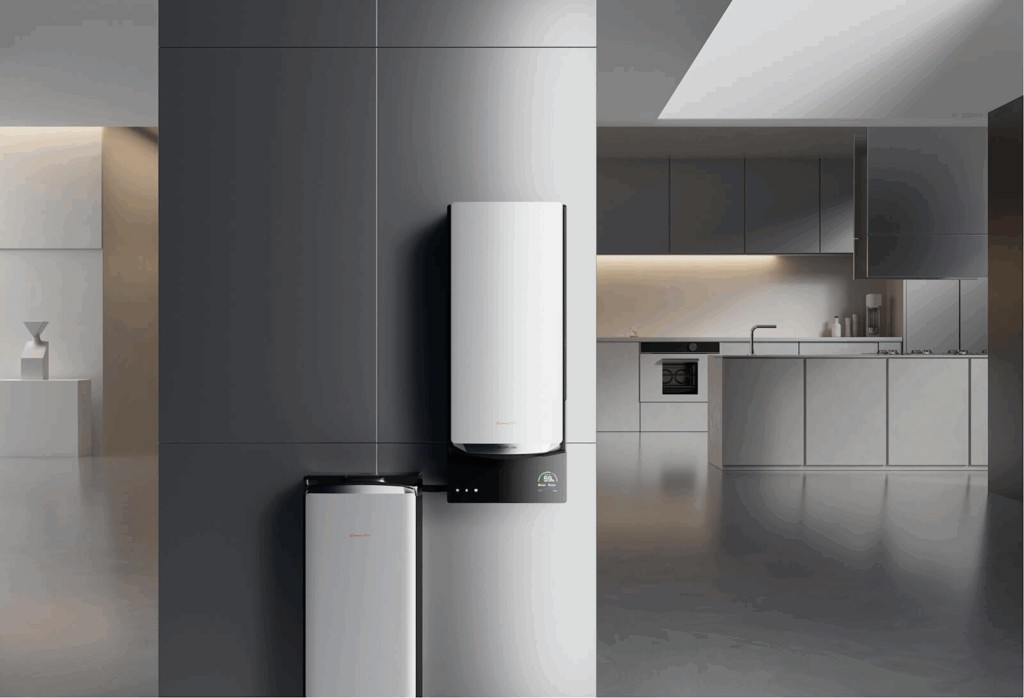
Renewable storage systems, often called home battery backup solutions, pair solar energy with high-capacity batteries to create a continuous and sustainable source of electricity. During the day, solar panels capture sunlight and store excess energy. When night falls—or when storms bring down power lines—the system automatically supplies stored electricity to keep lights, refrigerators, and communication devices running.
Compared with traditional gas or diesel generators, renewable storage offers several decisive advantages:
- Silent and emission-free operation—ideal for urban areas and indoor use.
- Automatic switching that requires no manual setup during emergencies.
- Long-term cost efficiency, as sunlight and clean energy are free once systems are installed.
- Modularity and scalability, meaning they can power anything from a single appliance to an entire home or community center.
In real-world disasters—from hurricanes in the Gulf Coast to snowstorms in Canada—battery-based storage has proven its ability to deliver reliable, instant power when everything else stops.
4. Real-World Benefits — From Homes to Communities
For families, renewable storage means confidence. When the grid goes down, vital systems stay on: heating or cooling, frozen food, medical equipment, and phone chargers that keep them connected. Parents can work remotely, children can continue learning, and daily life retains a sense of normalcy even in crisis.
On a larger scale, resilient microgrids and community battery hubs help towns recover faster. Schools and emergency shelters powered by renewable storage can operate as relief centers. Clinics can keep vaccines cold and equipment functional. In coastal or remote regions, clean energy storage has become the backbone of humanitarian response.
Beyond immediate safety, these systems deliver long-term environmental and social value. Every kilowatt-hour stored and reused locally reduces dependence on fossil fuels and lowers carbon emissions. The combination of energy independence and sustainability builds not only stronger homes but also stronger communities.

5. A Sustainable Path Forward
Governments around the world are beginning to recognize that resilience and sustainability must advance together. Many nations now offer tax incentives or rebates for residential battery systems, while cities are updating building codes to encourage on-site renewable generation.
At the same time, innovation is accelerating. Advances in lithium-iron-phosphate (LiFePO₄) batteries, smart inverters, and integrated management software are making renewable storage more efficient and affordable. As costs fall, what once seemed futuristic—whole-home backup power powered by sunlight—is rapidly becoming mainstream.
But technology alone is not enough. Energy resilience also depends on awareness: individuals choosing to invest in preparedness, communities planning for collective backup, and policymakers setting clear frameworks for a distributed, low-carbon grid.
In this new era of climate uncertainty, resilience is no longer optional. It is the foundation of safety, sustainability, and self-reliance.
6. Conclusion — Powering a Safer Future
Extreme weather will continue to test the limits of our infrastructure. Yet it also offers an opportunity to redesign how we power our world—one that values reliability, independence, and environmental responsibility.
Renewable energy storage embodies that vision. It bridges the gap between nature’s volatility and human stability, ensuring that light and hope stay on even when the storm arrives.