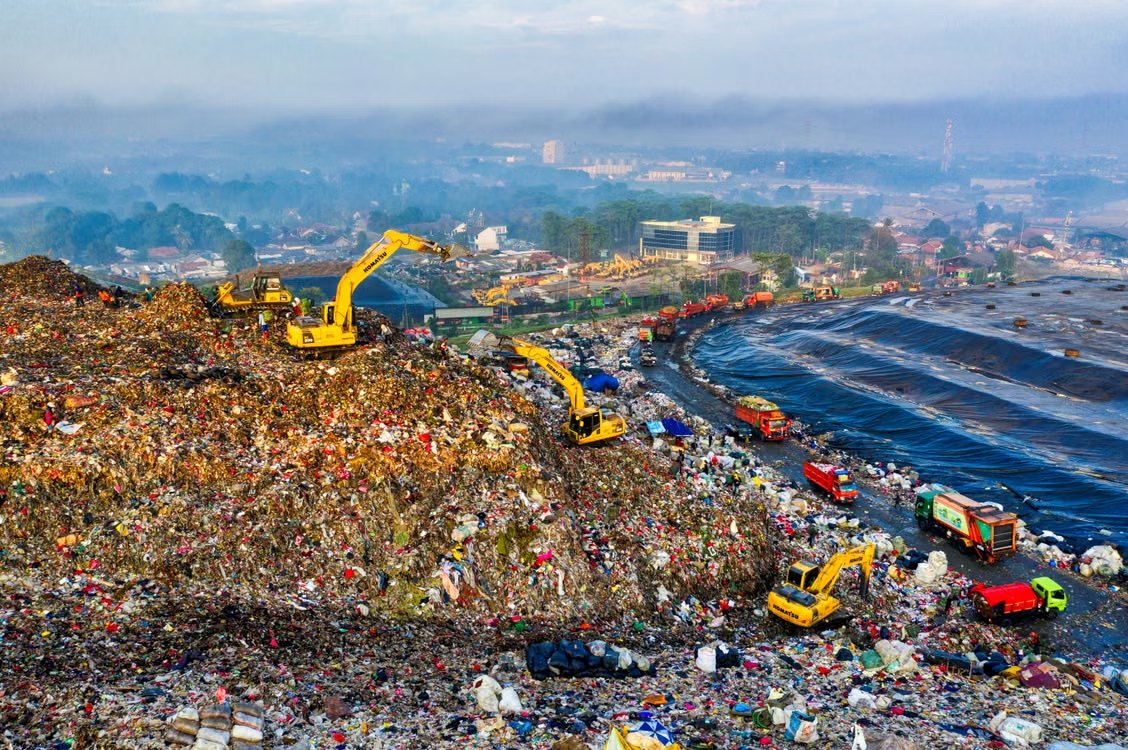

Construction and demolition debris is one of the largest waste streams in New York State. Residential renovation, commercial refurbishment, and active construction across the state generate millions of tons of C&D waste annually, and a significant share still ends up in landfills despite having viable recycling and reuse pathways.
For homeowners, contractors, and property managers planning renovation work this spring across upstate New York and the Finger Lakes region, the good news is that meaningful diversion is achievable with modest planning effort. The difference between a project that sends most of its debris to landfill and one that diverts the majority of it usually comes down to sequencing and organization, not access to specialized infrastructure.
This guide walks through what renovation debris actually consists of, where each category can go within the New York waste management system, and how to set up a project for responsible disposal from day one.
In this article:
What Counts as Construction and Demolition Debris in New York?
The New York State Department of Environmental Conservation defines C&D debris broadly to include the materials generated during building, renovating, repairing, or demolishing structures. The common categories include:
- Wood: Framing lumber, trim, cabinetry, doors, and structural timber
- Drywall and plaster: Common in older upstate homes with original lath-and-plaster construction
- Concrete, brick, and masonry: From foundations, driveways, walkways, and chimneys
- Metal: Plumbing fixtures, electrical components, roofing, structural steel, and scrap
- Roofing materials: Asphalt shingles, underlayment, and flashing
- Cardboard and packaging: From new materials and fixtures being installed
- Insulation: Fiberglass, foam, and mineral wool, plus older vermiculite or cellulose
- Asphalt: From driveway and road removal
Each of these categories has different diversion potential within the state’s waste management system, and treating them as one undifferentiated waste stream is the single biggest reason so much C&D debris ends up in New York landfills unnecessarily.
The High-Value Diversion Categories
Some materials in a typical renovation project have especially strong recycling markets in New York. These should be prioritized for separation.
Clean Wood
Untreated, unpainted wood is one of the most recyclable materials generated by renovation projects in the state. Clean lumber scraps, demolition wood free of nails and fasteners, and broken pallets can often be processed into mulch, biomass fuel, or engineered wood products through regional facilities.
The word “clean” is the critical qualifier. Painted, stained, or chemically treated wood generally cannot enter standard wood recycling streams and has to be handled as general waste. This is particularly relevant for older New York homes, where lead paint on trim and lumber is a real consideration during demolition.
Metal
Metal is the most reliably recyclable material on any New York renovation project. Scrap metal yards across upstate New York and the Southern Tier accept copper, aluminum, steel, iron, and mixed metals, and many pay for clean scrap. Old plumbing fixtures, cast iron radiators, electrical wiring, roofing metal, and structural components all have active local markets.
Metal is also dense, which means separating it from general waste meaningfully reduces the weight of landfill-bound debris. For projects paying for disposal by weight, this alone often justifies the separation effort.
Concrete, Brick, and Masonry
Clean concrete and masonry can be crushed and reused as aggregate for new construction, road base, and drainage applications. Several New York regions have specialized concrete recycling operations that accept these materials at lower cost than standard landfill disposal.
Contamination is the main barrier. Concrete mixed with dirt, wood, metal reinforcement, or general debris is much harder to recycle. Keeping masonry separate from other waste streams on a job site is usually the difference between recycling and landfill disposal.
Cardboard
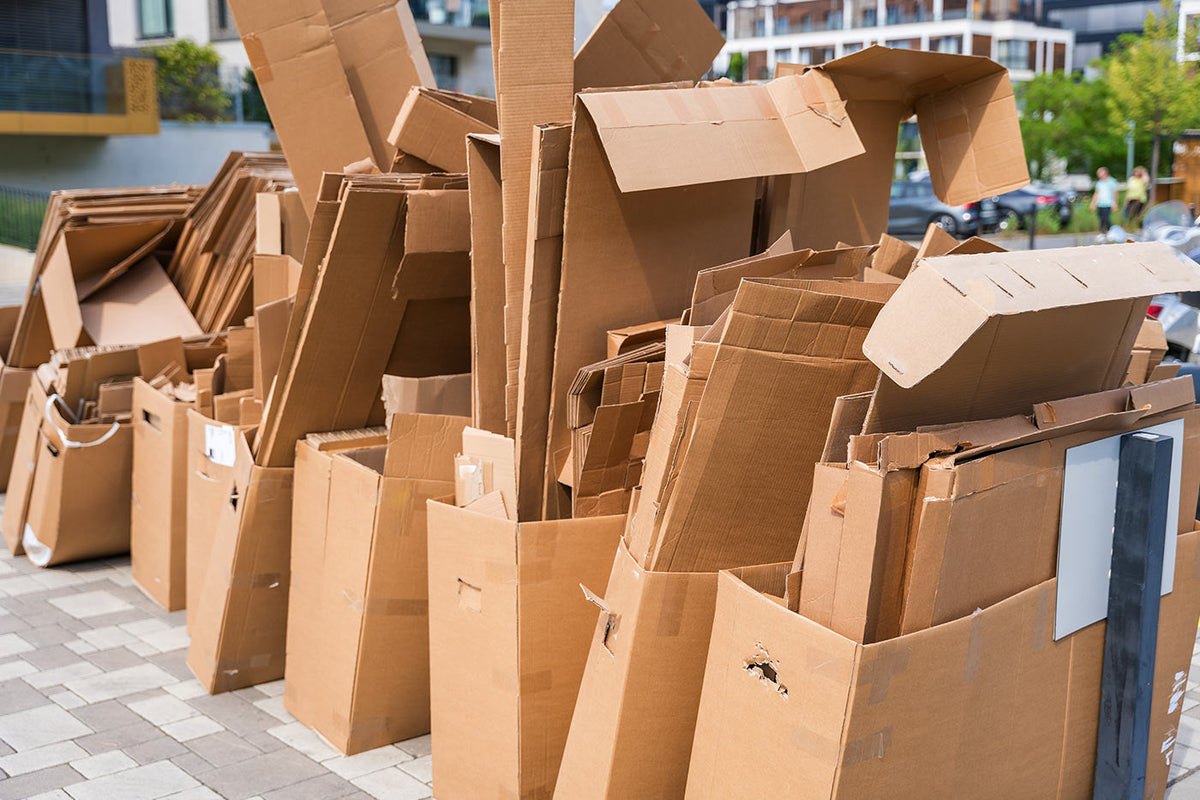
Renovation projects generate surprising volumes of cardboard from packaging. This is one of the easiest materials to divert across New York, as nearly all municipal recycling programs in the state accept it. Flattening and stacking cardboard as packaging is opened is a minor habit that produces substantial diversion over the course of a project.
The Salvage Opportunity in Older New York Homes
New York State has one of the oldest housing stocks in the country, particularly across upstate regions like the Finger Lakes, the Southern Tier, and the Hudson Valley. This creates a significant salvage opportunity that is often overlooked.
What Has Salvage Potential
- Solid wood doors and original hardware
- Cast iron tubs, sinks, and radiators
- Original trim, molding, and millwork
- Intact period cabinetry
- Vintage light fixtures
- Old-growth dimensional lumber
- Stained glass windows and specialty glazing
Architectural salvage operations across New York actively accept these materials, as do regional Habitat for Humanity ReStores. Historic Albany Foundation’s Architectural Parts Warehouse, Silver Fox Salvage in the Capital Region, and similar operations in the Finger Lakes and Western New York all provide markets for salvaged building materials from older homes.
The critical step is removing salvageable components before demolition begins rather than after, since the window for recovery usually closes quickly once heavy demo starts. Planning the salvage sequence before the project begins costs almost nothing and can meaningfully reduce both waste volume and disposal costs.
Setting Up a New York Project for Responsible Disposal
The practical challenge for most New York renovation projects is not finding diversion pathways — the state has reasonable infrastructure in most regions — but managing the logistics of keeping materials separated during active work. A few principles make this much more manageable.
Plan disposal infrastructure before demo begins. Waiting until debris is already piling up to figure out disposal is the main reason projects default to mixed landfill loads. Setting up containers and sorting areas before work starts keeps separation practical.
Use dedicated containers for high-value categories. On larger projects, separate containers for metal, concrete, and general waste pay for themselves through recycling revenues and reduced landfill tipping fees.
Brief everyone on the plan. Contractors, subcontractors, and anyone else working the site need to know the sorting system or it will not work. A few minutes of upfront communication prevents hours of contaminated loads.
Work with local disposal providers who understand regional diversion pathways. Not all waste haulers are equipped to handle separated loads or connected to local recycling infrastructure. Working with a provider who knows the regional system makes the whole process smoother.
For projects in the Finger Lakes region, Tompkins County, and the broader Southern Tier, a dumpster rental Ithaca NY from Clark’s Dumpster and Hauling Services provides straightforward, locally owned disposal infrastructure with the kind of responsive service that keeps a project on schedule. Same-day delivery and transparent pricing make it realistic to have proper disposal in place from the first day of a project rather than treating it as a last-minute consideration.
Regional Infrastructure Across New York State
Where you are in New York affects which diversion pathways are practical for your project. The densely populated downstate metro has different infrastructure than upstate and western New York, and rural counties have different options still.
Upstate and the Southern Tier benefit from proximity to regional scrap metal and salvage operations, though some specialized recycling facilities are further away than in downstate areas. The Finger Lakes region in particular has a strong local salvage and reuse culture built around the area’s significant stock of historic homes.
Checking with your county solid waste management authority is usually the fastest way to identify what recycling and disposal options are accessible for your specific project. Most New York counties maintain current information on accepted materials, drop-off locations, and any special handling requirements for categories like asbestos, lead paint, or treated lumber.
The Broader Picture for New York Renovation Projects
Every renovation project across New York is a small decision point. Treated individually, each project feels too small to matter. Aggregated across the state, those decisions define how much of the construction and demolition waste stream actually gets diverted versus landfilled.
The infrastructure for responsible C&D waste management exists throughout most of New York. What it takes to make use of that infrastructure is planning, sequencing, and treating disposal as a design decision from the beginning of a project rather than a cleanup problem at the end. The environmental math is straightforward. The logistics, once set up, are not actually that much harder than the default approach. The difference is whether the decision gets made.