
When most people think about pollution, they picture belching smokestacks and massive mining operations. It’s true that industrial production makes up a large percentage of global emissions, but every individual also contributes to global pollution.
Every person or business has their own carbon footprint, or the amount of greenhouse gas emissions that they indirectly or directly cause through their daily activities. When calculating your carbon footprint, you may be surprised at how many emissions your day-to-day activities actually cause.
Here are a few daily habits that may be influencing your carbon footprint without you even knowing it. Once you know which daily habits are impacting your carbon footprint the most, you can work on reducing your environmental impact through small changes to your routine.
In this article:
Brushing Your Teeth Causes Plastic Waste

Brushing your teeth in the morning and at night is good for your dental health. However, your dental care routine is probably not as good for the environment as it is for your health.
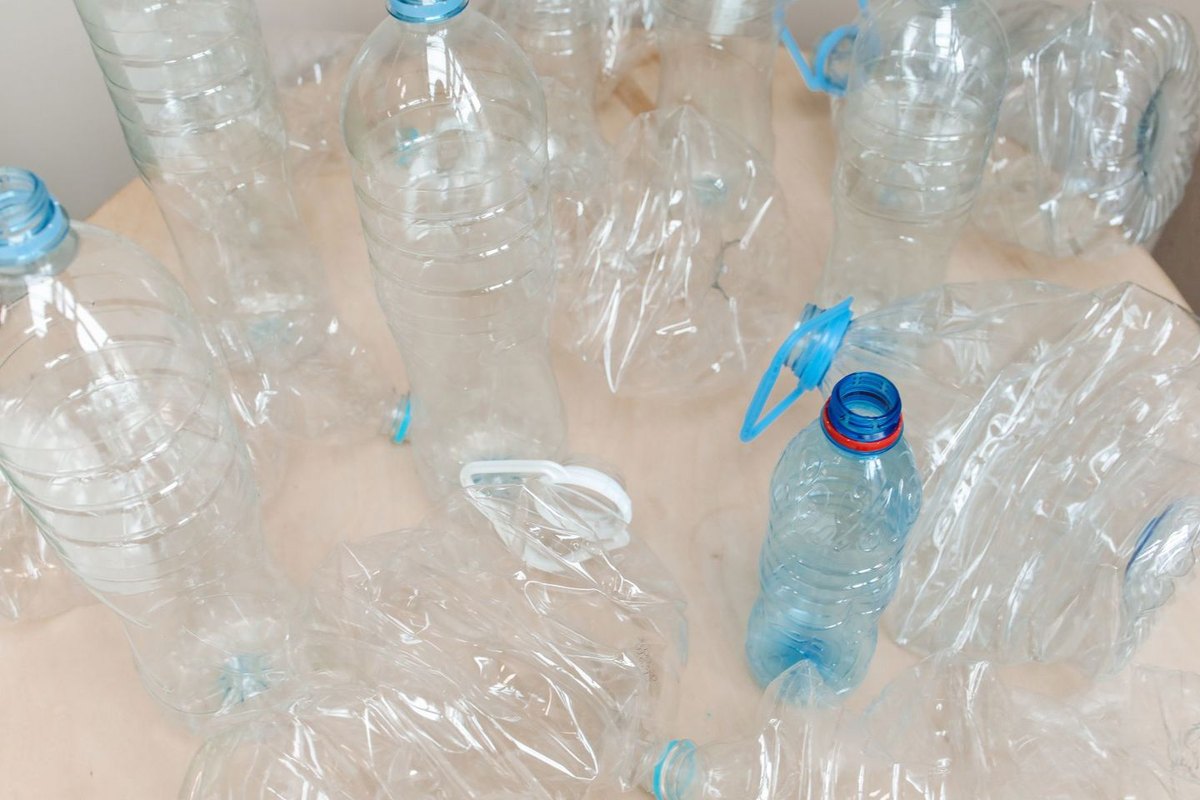
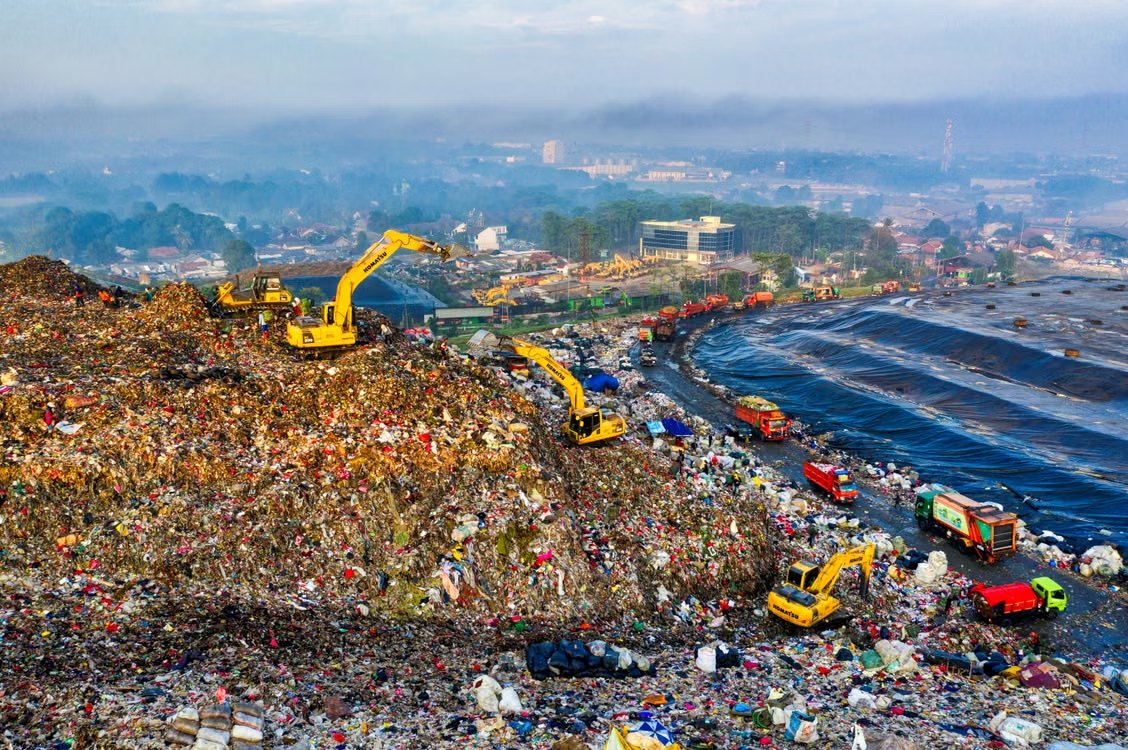
Most of the materials we use for cleaning our teeth, such as toothpaste tubes, toothbrushes, floss, and dental picks, are made up of non-renewable plastic. Non-renewable plastics play a huge role in the carbon footprint of your routine because they go to the landfill as soon as you finish using them. Your old toothbrushes, floss boxes, moisturizer containers, and other cosmetics will spend the next several hundred years in a landfill. You can reduce the carbon footprint of your morning routine by switching to grooming products made out of renewable materials or that come in renewable packaging. Bamboo toothbrushes, silk or corn floss, and stainless steel dental products help you keep your teeth and the planet clean.
Washing Your Clothes Increases Your Carbon Impact

Maintaining a clean home could affect your carbon footprint. Every time you do laundry, you increase the impact of your carbon footprint.
Besides using water, running the machine uses electrical energy, especially if you are running it on warm water cycles. Every time you wash your clothes, the wastewater from your machine takes detergent residue and microplastics into the water system, where they pollute water sources.
A simple way to reduce the carbon footprint of your laundry routine is to do laundry less often. Run your washing machine only when you have enough clothes to fill it up. Find energy-saving alternatives to typical laundry routines, such as washing at lower temperatures or line drying instead of running the dryer.
Choosing your clothes and detergent carefully can also reduce the carbon footprint of your laundry routine. Prioritize shopping for clothing made of natural fibers instead of synthetics. Look for eco-friendly laundry detergent that minimizes pollution.
Your Grocery Habits Are Increasing Waste
Going to the grocery store and cooking your meals may also be responsible for an increase in your carbon footprint. If you’re like many Americans, you probably generate a lot of food waste.
Besides it being a shameful thing to throw away food while many people go hungry, food waste causes 8-10% of greenhouse gas emissions in the world. As food breaks down in the landfill, instead of being digested, it emits greenhouse gases such as methane. You also have to account for the emissions involved in producing the food, from industrial agriculture to powering the fridge at the grocery store, which winds up as waste instead of a productive meal.
Smart meal planning can help you cut down on your carbon footprint. Create a meal plan before you go grocery shopping and only buy what you need. Go through your fridge and pantry every few days to use up items before they expire.
Another way that the average American’s grocery store habits increase their carbon footprint is through the massive amounts of plastic waste that the average grocery store visit generates. Avoid plastic packaging whenever you can. Visit co-ops or organic food stores that allow you to refill pantry staples. Buy your own mesh grocery bags for produce instead of relying on the plastic bags they stock in-store.
Your Hobbies Increase Your Carbon Footprint As Well

Your hobbies should be your way to unwind and forget about the cares of the world. However, the activities you do for fun could be creating less enjoyable effects on the environment around you.
A lot of modern-day hobbies, such as playing video games or streaming, use up energy. Streaming a video online burns the electrical energy you need to power your computer, the energy powering the streaming service’s data servers, and the energy used to power the network. Compared to other activities, streaming a video has a relatively modest carbon footprint, but it still has some environmental impact.
The bigger carbon footprint comes from hobby supplies. A lot of times, buying supplies to get into a new hobby is nearly as enjoyable as starting the hobby itself. However, the greenhouse gases required to produce the materials for the hobby (which are often made of plastic or other non-renewable materials) and the carbon burned to deliver the materials to your house add up.
To make your hobby more sustainable, change the way you shop. Buy used hobby supplies instead of new ones if you can find them, or shop from local businesses instead of ordering delivery. Only buy supplies that you will actually use in your hobby practice. Overconsumption, or shopping for items that just get thrown away after one or two uses, generates needless amounts of greenhouse gases.
Reducing Your Carbon Footprint Through Changes to Your Routine
Thanks to the ubiquity of plastic, greenhouse gases, and waste, your daily habits could be adding up to a considerable carbon footprint. Besides activities that cause obvious pollution, such as driving a car, seemingly innocuous parts of your daily routine, such as doing laundry or brushing your teeth, are polluting the planet.
The good news is that you create more impact than you think when you make small changes to your daily routine. Buying less stuff, throwing away less stuff, and switching to renewable materials instead of plastic whenever you can help you minimize your carbon footprint. If everyone took these steps, we’d be a long way on the path to saving the planet.