
Every year, the world generates an estimated 62 million tonnes of electronic waste, making it the fastest-growing waste stream globally. Therefore, proper and sustainable e-waste management is important to ensure environmental safety, reduce greenhouse gas emissions, and minimize contamination of soil and water from hazardous chemicals. Every business now relies on technology and regularly replaces and refreshes large volumes of electronics, including servers, laptops, desktops, and other networking equipment. Through responsible IT asset recycling, companies can recover residual value, extend the active lifespan of equipment, reduce electronic waste entering landfills, and conserve natural resources.
In This Article:
What Is E-Waste Management?
E-Waste Management is the systematic process of collecting, handling, transporting, recycling, recovering, and securely disposing of obsolete IT equipment, including laptops, servers, desktops, and networking devices. Electronic waste management is not just getting rid of e-waste; it’s a comprehensive process of securely retiring, recycling, and disposing of disused equipment while adhering to e-waste management regulations and environmental laws.
The process begins by choosing a certified e-waste recycler, like ITAD.net. Through proper e-waste management, businesses can recover maximum returns on their technology investments through repairs, refurbishments, and redeployments, reducing overall IT procurement costs while ensuring environmental safety.
Why Is Sustainable E-Waste Management Important?
Due to the rapid growth of technology around the world, large volumes of electronics are replaced regularly. Without proper e-waste management, large quantities of e-waste end up in improper recycling channels, which may cause heavy penalties for illegal dumping, loss of recovery of valuable elements, create environmental impact, and, more importantly, harm organizational reputation.
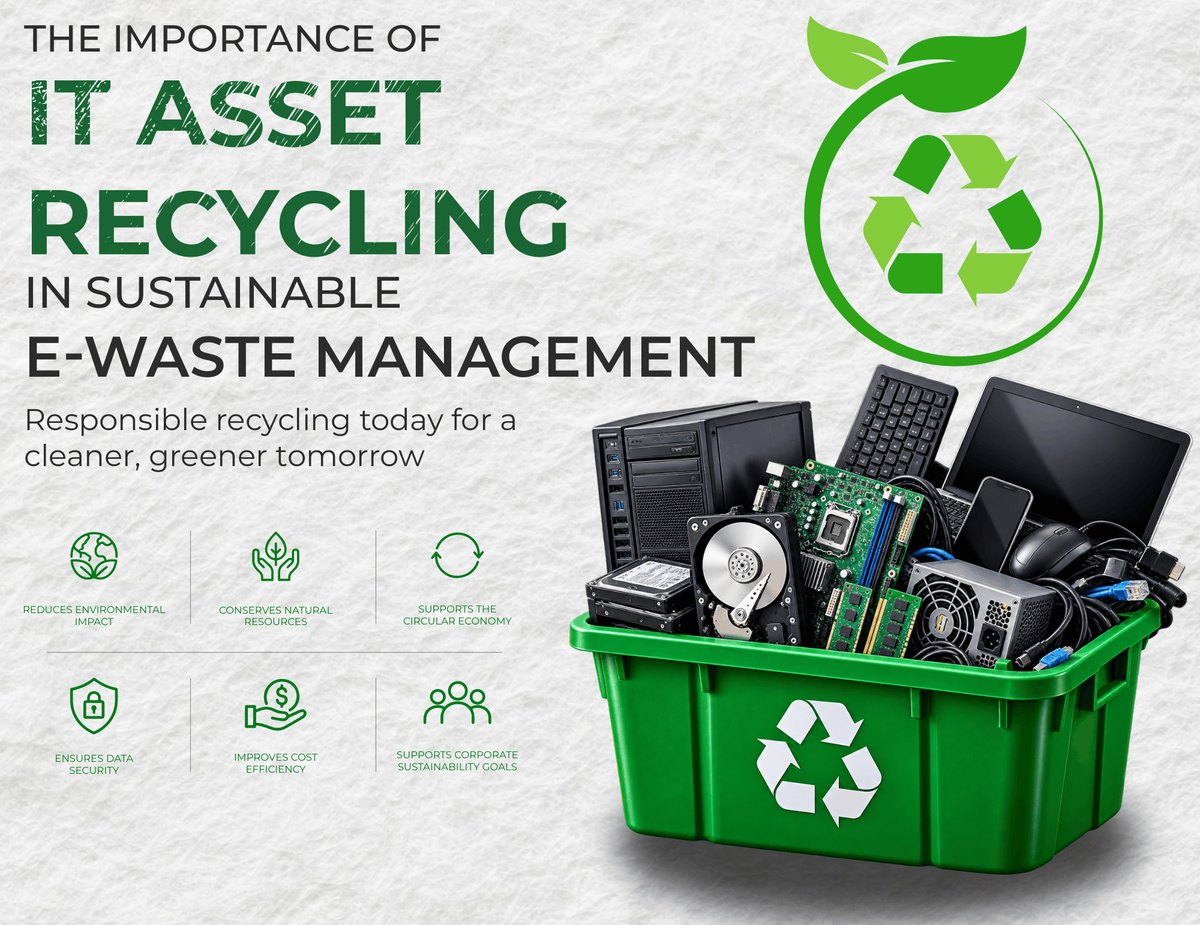
Sustainable E-Waste Management helps in recovering reusable components from the retired equipment by identifying potential opportunities for reuse, refurbishment, repair, and redeployment, thus maximizing asset utilization, extending their lifespan, and reducing infrastructure upgrade costs while conserving natural resources. For businesses, sustainable e-waste management helps to meet corporate sustainability and ESG (Environmental, Social, and Governance) goals.
Why Do Businesses Need Responsible IT Asset Disposal?
Businesses have highly confidential data stored on several storage devices. Improper IT asset disposal may lead to exposure of sensitive data, which may create new security threats. Blindly disposing of old assets without recycling can leave reusable components in waste rather than utilizing them.
A controlled and structured IT asset disposal process ensures that businesses can securely destroy their confidential data, making it impossible to recover and preventing data breaches or cyber theft. Assets are evaluated to identify the reuse potential to extend their active lifespan, which in turn helps organizations save on purchasing new equipment.
Role of IT Asset Recycling
- IT asset recycling is an essential component of the responsible end-of-life management of technology. By redirecting decommissioned equipment for recycling, organizations can contribute to the reduction of electronic waste while recovering valuable materials and components.
- Each piece of equipment is categorized based on its potential for remarketing or materials recovery, thereby extending its functional life and helping companies maximize returns on technology investments.
- Through responsible recycling and data destruction, businesses can have peace of mind without worrying about the exposure of confidential data and compliance issues with e-waste regulations.
- IT asset recycling helps organizations maximize asset utilization, meet sustainability goals, and promote a circular IT economy.
How Do Reuse and Refurbishment Reduce Electronic Waste?
Not all retired equipment is fit for disposal or recycling. Many items can be reused or refurbished to offer value to another organization or repurposed within an organization. Electronic waste recycling should be complemented by remarketing and refurbishment services, which can extend the life cycle of electronic equipment.
Functional equipment can be repaired, upgraded, tested, and remarketed rather than recycled. In addition, businesses can benefit from the remarketing of equipment, as it can offer a source of revenue. By keeping electronics in use for longer, refurbishing reduces the demand for new equipment and keeps materials and products within the economy for longer, supporting a circular economy.
How Does IT Asset Recycling Conserve Natural Resources?
Through responsible e-waste recycling, businesses can ensure that valuable elements such as gold, silver, copper, and aluminium are recovered from retired equipment and returned to the economy rather than being lost in landfills. Materials recovery supports sustainability by reducing the demand for new materials and promoting more sustainable manufacturing and consumption practices. It causes less damage due to mining and prevents the depletion of rare earth elements.
How Does Responsible Disposal Help Prevent Pollution?
Improperly disposed of electronics pose a threat to the environment. Responsible e-waste recycling prevents the pollution of water supplies and the contamination of soil by ensuring that electronics are processed in an appropriate manner. An approved and certified IT asset recycling process will ensure that equipment is collected, transported, and processed in a manner that minimizes the impact on the environment.
A trusted ITAD company will ensure that materials are separated from equipment that requires specialized processing, reducing the impact of electronics on the environment. In addition, by partnering with an experienced IT asset recycling company, businesses can ensure that electronic waste is disposed of in an environmentally responsible manner. Maintaining documentation of the recycling process can also help verify that equipment is being processed responsibly.
Best Practices for Businesses Managing Retired IT Equipment
Businesses can take several steps to ensure that they are managing retired IT equipment in a manner that supports their sustainability goals while also maximizing financial and data security:
- Having a documented asset disposition process in place.
- Keeping an accurate inventory of IT assets at all stages.
- Evaluating retired equipment for remarketing or refurbishing options.
- Ensuring that data is securely destroyed from equipment.
- Partnering with responsible ITAD and recycling companies.
- Maintaining documentation of the disposition process.
- Prioritizing remarketing and refurbishing when appropriate.
- Recycling equipment responsibly when it reaches the end of its life.
- Reviewing and optimizing the IT asset disposition process.
Conclusion
IT asset recycling plays a significant role in the responsible lifecycle management of technology. By combining responsible end-of-life management such as remarketing, refurbishing, secure data destruction, asset recovery, and e-waste recycling, businesses can reduce their impact on the environment while also recovering valuable materials and equipment. By associating with an experienced IT asset recycling company like ITAD, businesses can ensure that they are able to benefit from the advantages of responsible IT equipment recycling.