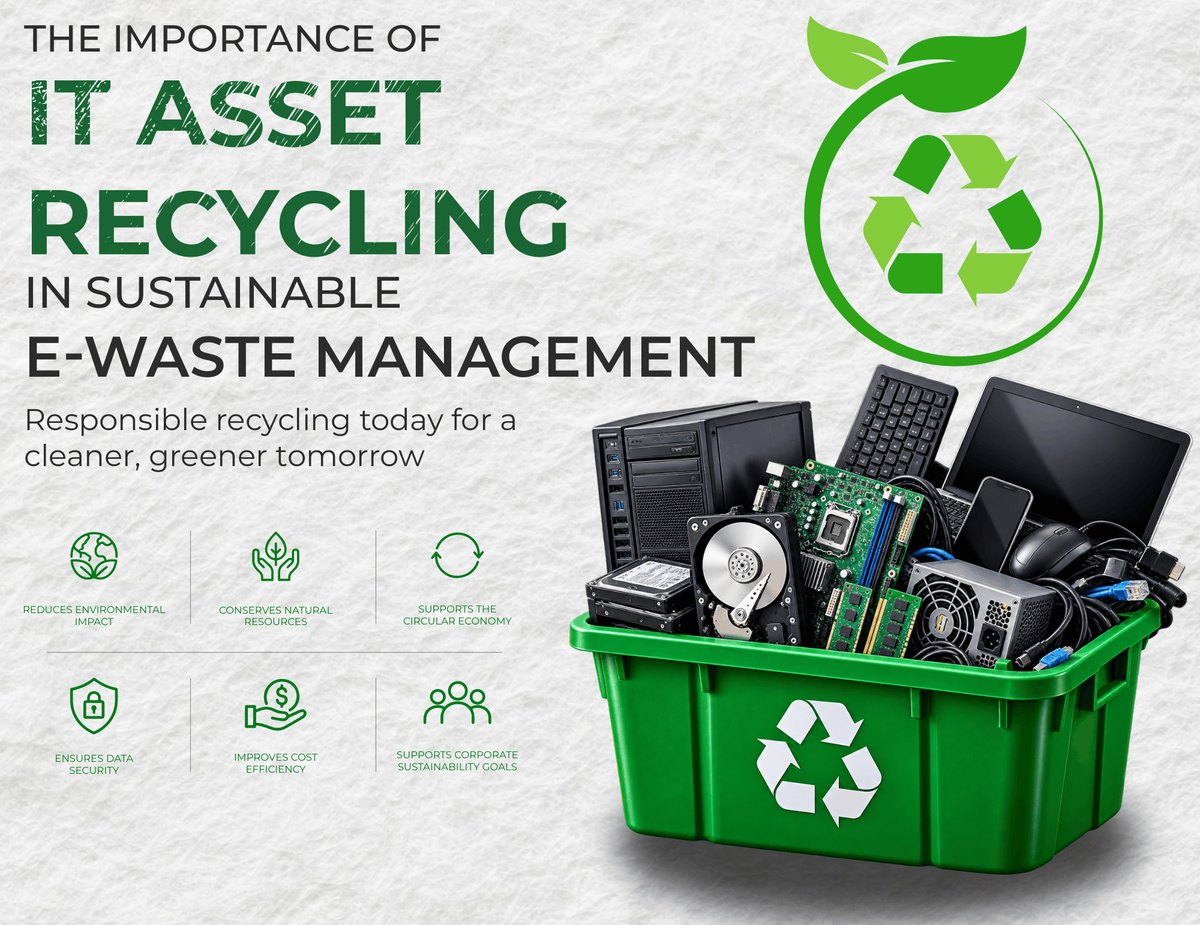

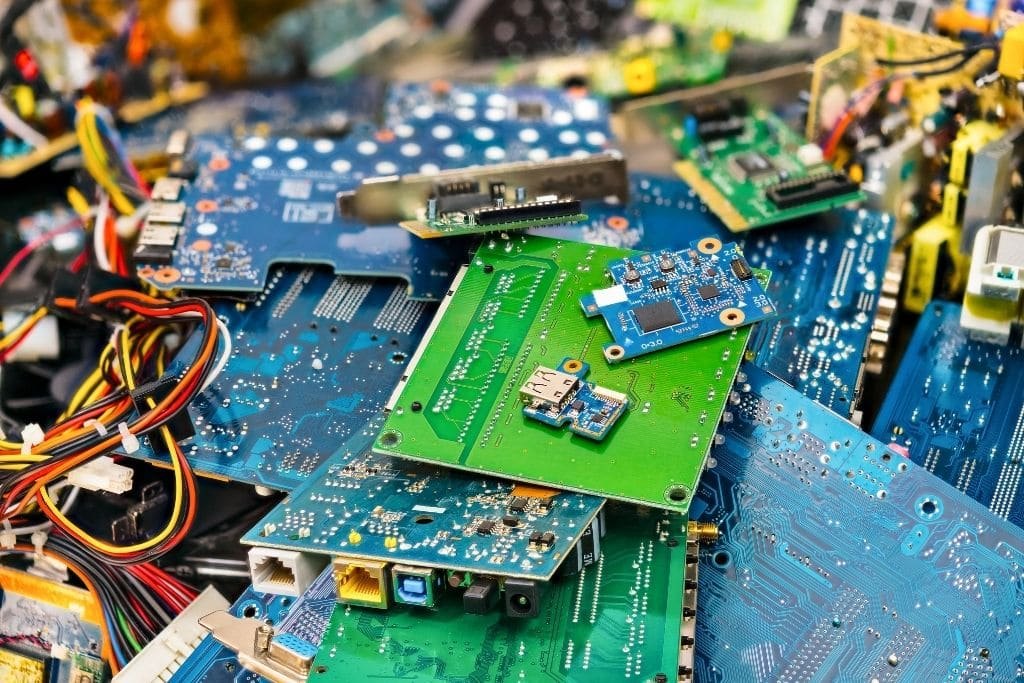
Technology has transformed the way we live, work, and communicate. From smartphones and laptops to servers and smart home devices, electronic equipment powers almost every aspect of modern life. However, the rapid pace of technological innovation has also created one of the world’s fastest-growing environmental challenges: electronic waste.
Every time a consumer upgrades their phone or a business replaces hundreds of office computers, more electronic waste enters the global waste stream. While many devices still contain valuable materials that can be recovered and reused, millions end up in landfills or are processed through unsafe recycling practices.
Responsible electronics recycling is no longer simply an environmental initiative. It has become an essential part of sustainable resource management, climate action, and the transition towards a circular economy.
In This Article:
What Is Electronic Waste?
Electronic waste, commonly known as e-waste, refers to any electrical or electronic equipment that has reached the end of its useful life. This includes devices that are broken, obsolete, outdated, or simply replaced with newer models.
Common examples include:
- Desktop computers
- Laptops
- Smartphones
- Tablets
- Computer monitors
- Printers and scanners
- Servers and networking equipment
- Hard drives
- Televisions
- Gaming consoles
- Cables and chargers
- Small household electronics
As technology continues to evolve, the average lifespan of many electronic products continues to shrink, causing the volume of discarded equipment to increase every year.
Why Is E-Waste Growing So Quickly?
Several factors are driving the rapid growth of electronic waste worldwide.
Faster Technology Upgrades
Manufacturers regularly release newer and more powerful devices, encouraging consumers and businesses to upgrade more frequently.
Digital Transformation
Businesses are investing heavily in modern IT infrastructure, cloud computing, artificial intelligence, and cybersecurity. These upgrades often involve replacing large quantities of older hardware.
Remote and Hybrid Work
The shift towards remote work has significantly increased the number of electronic devices used by employees, including laptops, monitors, docking stations, and communication equipment.
Shorter Product Lifecycles
Many electronic devices are designed with limited repairability, making replacement more common than repair.
Together, these trends have created an unprecedented amount of electronic waste that requires responsible management.
The Environmental Cost of Improper Disposal
Improper disposal of electronic waste affects far more than landfill capacity.
Electronic devices contain a mixture of plastics, glass, metals, and chemicals. When these products are dumped or processed incorrectly, hazardous materials may enter the environment.
Potential environmental impacts include:
Soil Contamination
Heavy metals can leach into the soil, affecting agriculture and surrounding ecosystems.
Water Pollution
Improper disposal can contaminate groundwater and nearby water sources with toxic substances.
Air Pollution
Burning electronic waste to recover metals releases harmful chemicals and greenhouse gases into the atmosphere.
Increased Carbon Emissions
Manufacturing new electronics requires mining, transportation, and industrial production, all of which consume significant amounts of energy.
Recovering existing materials through recycling helps reduce the need for extracting new natural resources.
Valuable Resources Hidden Inside Old Electronics
Many people view old electronics as rubbish, but they contain valuable raw materials that can be recovered and reused.
These materials include:
- Gold
- Silver
- Copper
- Aluminium
- Palladium
- Platinum
- Rare earth elements
Recovering these resources through responsible recycling reduces mining activity while conserving finite natural resources.
This concept is often referred to as urban mining because valuable materials are recovered from discarded products instead of being extracted from the earth.
The Human Health Risks of E-Waste
Improper handling of electronic waste can also create serious health risks.
Workers involved in informal recycling may be exposed to hazardous substances without adequate protective equipment.
Exposure to toxic materials has been associated with:
- Respiratory problems
- Neurological disorders
- Kidney damage
- Developmental issues in children
- Skin irritation
- Long-term health complications
Responsible recycling facilities follow established environmental and safety procedures that help minimise these risks while recovering valuable materials safely.
How Electronics Recycling Supports the Circular Economy
A circular economy aims to keep products and materials in use for as long as possible.
Instead of following the traditional “take, make, dispose” model, circular systems encourage repairing, refurbishing, reusing, and recycling products whenever possible.
Responsible electronics recycling contributes to this goal by:
- Recovering valuable metals for reuse
- Reducing landfill waste
- Conserving natural resources
- Lowering greenhouse gas emissions
- Supporting sustainable manufacturing
- Reducing dependence on newly mined materials
Every recycled laptop, smartphone, or server helps extend the life of valuable materials already in circulation.
Why Businesses Should Take E-Waste Seriously
Businesses replace electronic equipment regularly as part of normal operations.
Without a structured disposal strategy, organisations may face unnecessary environmental, operational, and security risks.
An effective e-waste management programme can help businesses:
Improve Sustainability Performance
Responsible recycling demonstrates a commitment to environmental stewardship and supports broader sustainability initiatives.
Support ESG Objectives
Investors, customers, and partners increasingly expect businesses to adopt environmentally responsible practices.
Protect Sensitive Information
Retired computers, servers, and storage devices often contain confidential business information. Secure data destruction should always be part of the disposal process.
Recover Value
Some retired equipment may still retain value through refurbishment, resale, or material recovery.
Choosing a Responsible Electronics Recycling Partner
Selecting the right recycling partner is just as important as deciding to recycle in the first place. A trusted provider can securely collect obsolete electronics, protect sensitive data, recover valuable materials, and ensure equipment is processed in an environmentally responsible manner.
Comprehensive E-Waste Recycling
Dream E-Waste accepts a wide range of electronics, including computers, laptops, servers, printers, monitors, networking equipment, mobile devices, cables, and accessories. Businesses and households can recycle multiple types of electronic waste through a single provider instead of dealing with separate recycling services.
Secure Data Destruction
Old hard drives, laptops, and servers often contain confidential information. Dream E-Waste offers secure data destruction services to help businesses protect customer data, employee records, and proprietary information before recycling equipment.
IT Asset Disposition (ITAD)
Replacing office technology can generate large amounts of retired equipment. Dream E-Waste helps organisations responsibly manage obsolete IT assets through professional collection, recycling, and environmentally responsible disposal, making technology refresh projects simpler and more sustainable.
Business and Residential Services
Whether you are clearing out an office, upgrading your company’s IT infrastructure, or recycling old household electronics, Dream E-Waste provides recycling solutions for organisations and residents alike.
Responsible Recycling Practices
Recycling is about more than keeping electronics out of landfills. Valuable materials such as copper, aluminium, and precious metals are recovered and returned to the manufacturing supply chain, reducing the need for new mining and supporting a circular economy.
A Trusted Recycling Partner
Choosing an experienced recycler can simplify electronics disposal while supporting your sustainability goals. Businesses looking for a reliable San Diego e-waste recycling provider can learn more about Dream E-Waste’s services by visiting their website.
Best Practices for Managing Electronic Waste
Whether you manage a multinational organisation or simply want to dispose of old household electronics responsibly, adopting a few best practices can make a significant difference.
Extend Device Lifespans
Maintain equipment properly and repair devices whenever practical.
Donate Working Equipment
Many schools, charities, and community organisations can benefit from functional electronics.
Buy Durable Products
Choose products designed for longevity, repairability, and software support.
Recycle Responsibly
Use qualified electronics recycling providers instead of disposing of devices with general household waste.
Erase Sensitive Data
Always ensure personal or business information is securely removed before devices leave your possession.
Educate Employees
Businesses should train employees on proper disposal procedures for electronic equipment.
The Future of Electronics Recycling
As artificial intelligence, cloud computing, electric vehicles, and connected devices continue to expand, the amount of electronic waste generated worldwide is expected to increase.
This challenge also presents an opportunity.
Advances in recycling technology are making it possible to recover higher percentages of valuable materials while reducing environmental impacts. Governments are introducing stronger regulations, manufacturers are investing in sustainable product design, and businesses are increasingly recognising the importance of responsible asset disposal.
Success will require collaboration across industries, policymakers, manufacturers, recyclers, and consumers.
Final Thoughts
Electronic waste is no longer a niche environmental issue. It is a global sustainability challenge that affects natural resources, climate goals, public health, and economic development.
Fortunately, every individual and organisation has the ability to make a positive impact. Extending the life of electronic devices, purchasing responsibly, and partnering with qualified recycling providers can significantly reduce the environmental footprint of modern technology.
Responsible electronics recycling is not simply about disposing of old devices. It is about recovering valuable resources, protecting communities, reducing pollution, and building a circular economy where today’s electronics become tomorrow’s raw materials.
As the volume of electronic waste continues to grow, responsible recycling will remain one of the most effective ways to create a cleaner, more sustainable future.
Frequently Asked Questions
What is the safest way to dispose of old electronics?
The safest way to dispose of old electronics is through a certified e-waste recycling provider. These companies ensure hazardous materials are handled responsibly, valuable resources are recovered for reuse, and sensitive data is securely destroyed before devices are recycled.
Why is e-waste recycling important for businesses?
Businesses regularly replace computers, servers, and other IT equipment. Recycling these devices responsibly helps reduce landfill waste, supports sustainability goals, protects confidential information, and demonstrates environmental responsibility to customers, investors, and employees.
Can electronic recycling companies improve their online visibility?
Yes. Many businesses in the recycling industry attract new customers by publishing educational content and earning mentions from reputable industry websites. Editorial backlinks from trusted publications can improve search engine visibility and build credibility.
What electronics can be recycled?
Most electronic devices can be recycled, including computers, laptops, monitors, servers, printers, mobile phones, tablets, networking equipment, cables, hard drives, televisions, and many other consumer electronics. Always check with your local recycling provider to confirm which items they accept.