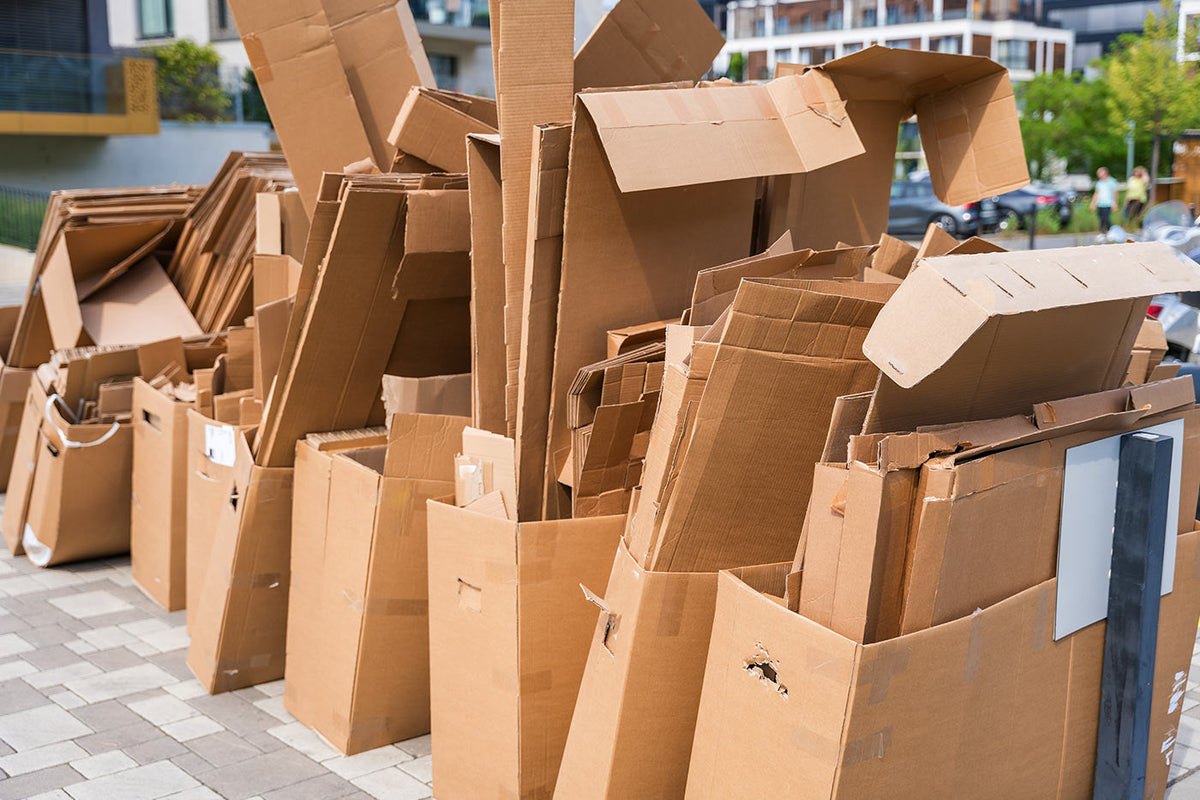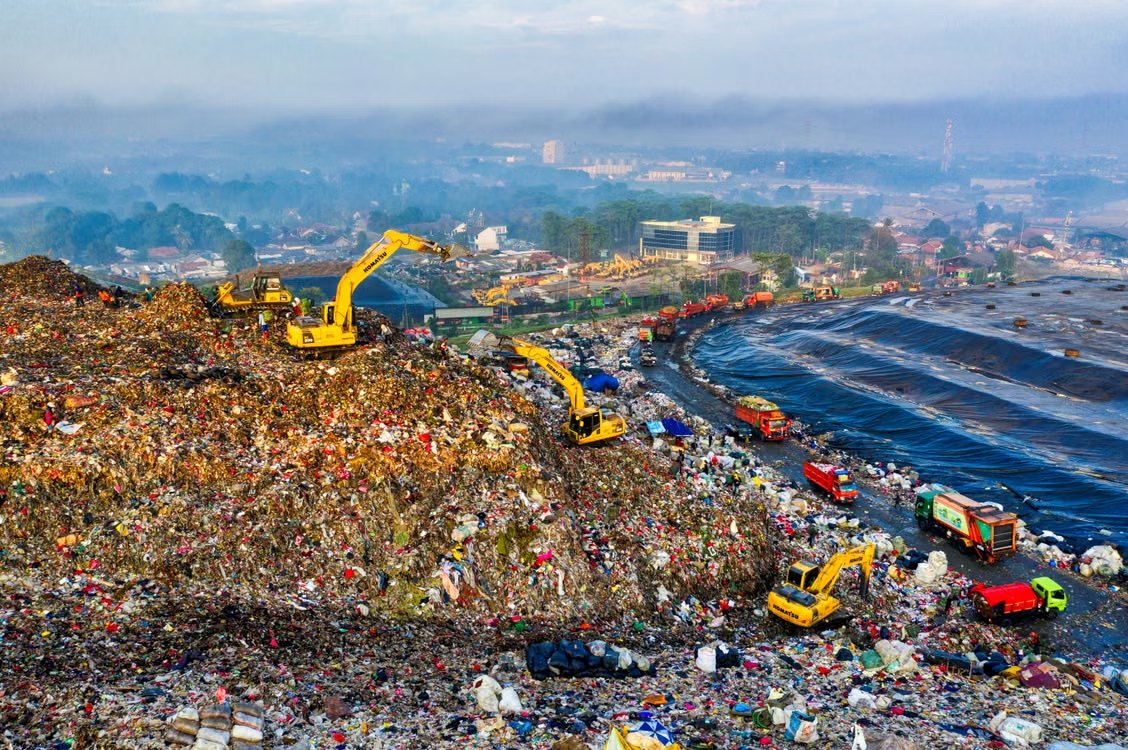

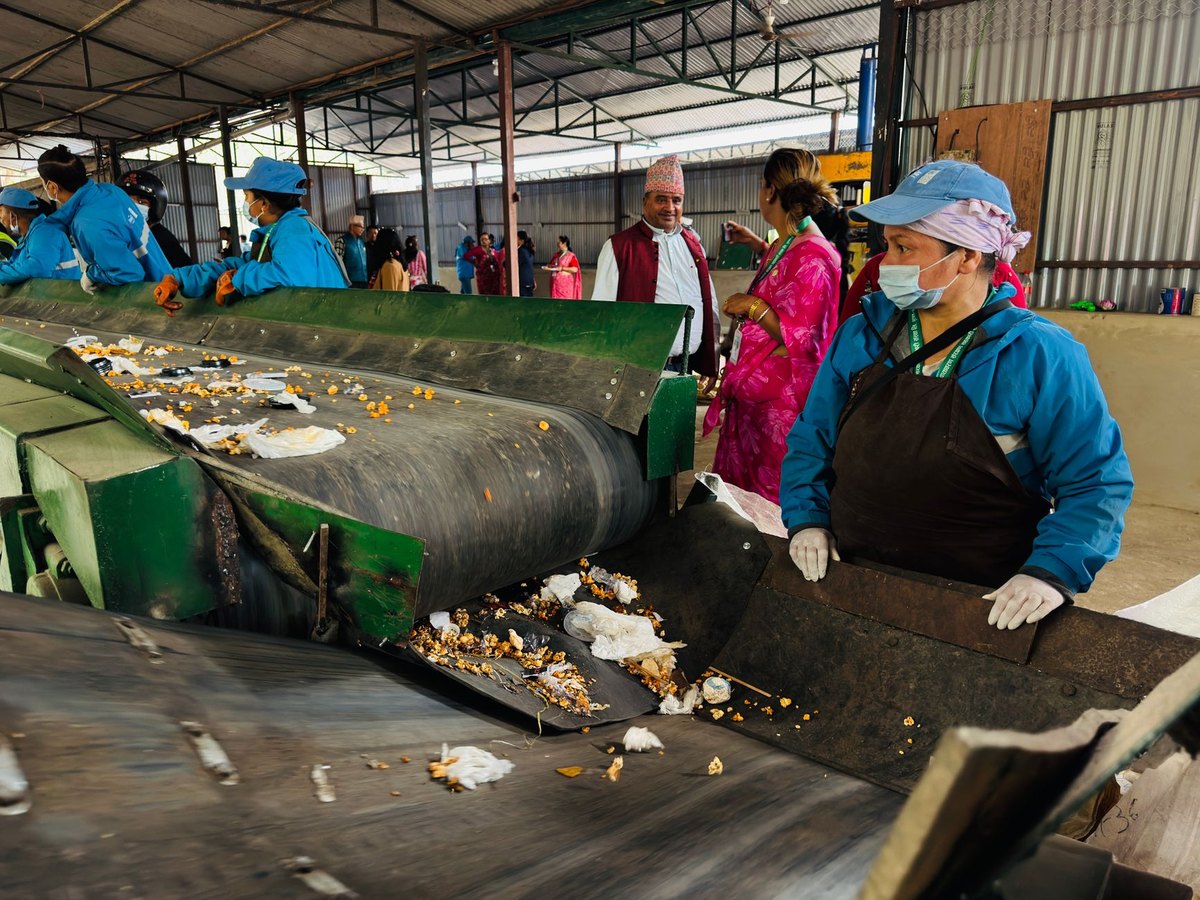
Most household recycling ends up at a materials recovery facility, a large industrial building where mixed recyclables are tipped onto the floor, sorted by people and machines, and baled for manufacturers.
The EPA describes this step simply: once collected, recyclables go to a recovery facility where they are sorted, cleaned and processed into materials that manufacturers can use. The buildings that do this work get far less attention than the bins at the curb, yet they have one of the toughest jobs in industry. Understanding what happens inside them also explains why a few everyday habits matter so much.
In This Article:
What happens inside a materials recovery facility
Sorting starts the moment a collection truck empties its load onto the tipping floor. Loaders push the material onto conveyors, and workers at a pre-sort station pull out items that could injure people or damage equipment. From there, a run of machines takes over. Rotating screens separate cardboard and paper from heavier containers, optical scanners identify different plastics and paper grades, magnets lift out steel and tin cans, and eddy current separators push aluminum off the belt. Glass is crushed and stored, and the sorted materials are compressed into bales for shipment to manufacturers.
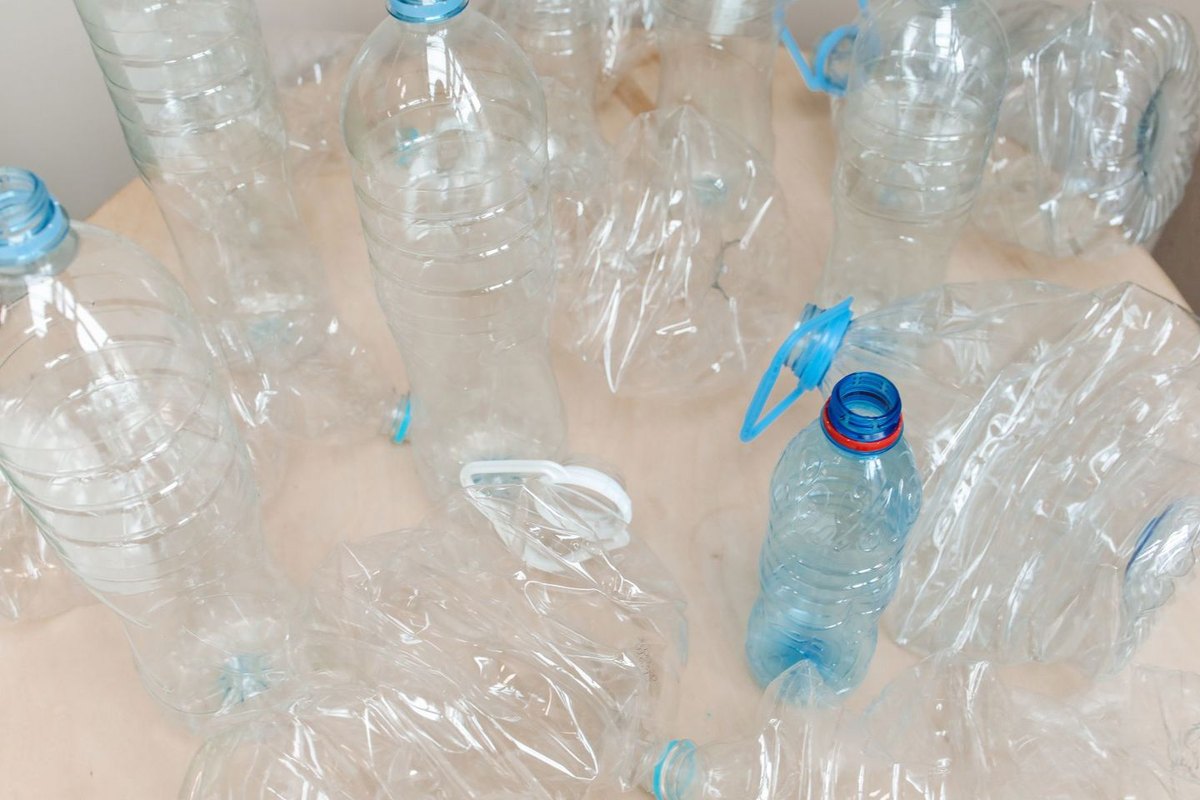
Some items cause trouble at every stage. Pinellas County’s guide to its recycling facility points out that plastic bags and film wrap around sorting equipment and jam the machines, which is why the county asks residents to return bags to stores rather than putting them in the curbside bin.
The tipping floor takes the hardest hits
The tipping floor is the busiest and roughest part of a recycling building. Collection trucks back in and dump their loads all day, and front-end loaders push, pile and scoop material toward the sorting line. The floor needs to be wide and free of columns so trucks can maneuver and loaders can work without obstacles, and the doors need to be tall enough for a truck body raised to tip.
Many steel buildings for recycling and waste facilities are pre-engineered for exactly this kind of use. Rigid steel frames span the full width of the tipping hall without interior columns, and the lower walls are lined with impact-resistant panels up to the height that loaders and pushed material reach. The slab itself carries the heaviest loads in the building, so it is designed by the project’s foundation engineer for the truck and equipment traffic and the soil on the site.
Sorting lines need room and a frame that carries them
A sorting line is a long, multi-level arrangement of conveyors, screens, platforms and balers, and it needs a building that fits around it. Clear height has to accommodate elevated conveyors and the platforms where workers stand, and the frame may carry equipment, ductwork and lighting hung from the roof structure. On a pre-engineered building, those equipment loads and clearances are designed into the frame before it is fabricated.
Recycling streams change over time as packaging changes and new sorting technology arrives. A column-free interior lets an operator rearrange or replace equipment without working around the structure, and a pre-engineered building can grow lengthwise, bay by bay, when throughput increases.
Moisture, dust and corrosion never stop
Recyclables rarely arrive clean. Food residue, liquid left in containers, rain-soaked cardboard and regular washdowns keep the inside of a recycling building damp, while shredded paper, glass fines and grit keep the air dusty. That combination is hard on any structure and especially hard on unprotected metal.
The finish system, meaning the coatings on the steel and the corrosion-resistant panels on the walls and roof, does most of the work of keeping a steel building sound in these conditions, which makes its quality far more than a cosmetic choice. Paint and coating quality is also one of the clearest differences between metal building manufacturers, and in a facility that is wet and abrasive every day, it deserves as much scrutiny as the frame itself.
Ventilation matters just as much. Roof and ridge ventilation, exhaust fans and dust and odor control equipment all need openings and support in the structure, and they work best when they are planned with the frame rather than cut in afterward. A fully enclosed envelope also keeps dust, odor and windblown debris inside the facility rather than on neighboring properties.
Batteries have made fire a building issue
Lithium-ion batteries are a serious fire risk inside recycling facilities. An EPA analysis of battery fires in waste management and recycling identified 245 fires caused or likely caused by lithium-ion batteries at 64 waste facilities between 2013 and 2020, and 23 of those facilities were materials recovery facilities. The report found that batteries at these facilities were most often found on the tipping floor, and that the belts, fans and shakers in sorting equipment can damage them.
That risk shapes the building as well as the operation. A noncombustible steel frame does not add fuel to a fire, but it does not replace fire protection. Sprinklers, detection and the separation of storage areas are designed by fire protection engineers, and the structure needs to account for them from the start, including the weight of the sprinkler mains carried by the roof framing.
Residents play a part too. Keeping batteries, and the devices that contain them, out of curbside bins and taking them to designated drop-off points is the simplest way to keep them off the tipping floor in the first place.
The building behind the bin
A materials recovery facility is one of the more demanding buildings in modern industry: heavy traffic on the floor, long lines of machinery overhead, constant moisture and dust, and a fire risk that can arrive in any load. The buildings that hold up best are the ones designed around those conditions from the start, with the span, coatings, ventilation and fire protection settled before construction begins. The next time a container goes into the recycling bin, it is heading for one of them.