

When you are installing a small scale biogas plant- be it in your farm or home garden or off grid plant, then you are making a smart move towards self reliance in renewable energy. However, there is another aspect that should not be discussed as much as the former one, and that is electrical safety in these installations. Biogas systems entail combustible gases and damp microclimates and electrical elements that are co-existing. Make the wrong choice of the wiring and you are not only endangering equipment but also endangering lives and property.
I will guide you on what you should know in order to maintain the safety, functionality, and compliance of your biogas installation.
In this article:
Understanding the Unique Electrical Hazards
The biogas installations are not similar to the normal electric systems. You are handling methane, which is a very flammable gas, electrical pumps, heaters, monitoring systems, and occasionally lighting. Add in the consistent presence of moisture through the digester, and you have corrosion and short circuiting waiting to happen with possible explosions in case things are not done properly.
Electrical sparks around gas leakages, moisture infiltration into electrical parts, and inappropriate grounding that may cause dangerous potentials of voltage. Each of them may make a sustainable energy project a disaster.
Choosing the Right Equipment and Components
Begin with explosion-proof or intrinsically safe electrical equipment rated for hazardous environments. These are not even optional upgrades, but necessities. Certifications should be given to your pumps, motors, switches, and junction boxes to be used in potentially explosive atmospheres.
Be careful about your wiring. Regular housewirings will not work in the wet, corrosive around a biogas digester. You require moisture, UV-resistant cables that are well chemically resistant. This is where working with a reliable cable assembly supplier becomes invaluable. They have ready-made answers to harsh industrial applications, which will save you time and still give you quality connections that will not fail at the time that you need them the most.
Grounding and Bonding: The Ultimate Line of Defense
Grounding is not only about avoiding shocks, it is also about providing a safe conduit of fault currents, avoiding the build up of static conditions which might trigger a methane explosion. Every metal component in your system should be bonded together and connected to a proper earth ground.
- Provide a special grounding electrode system.
- Ensure that all bonding jumpers are appropriately sized as per local electrical codes.
- This bonding network should include the gas piping, digester tank and all electrical enclosures.
Imagine that you have a single electrical potential in all your systems.
Wiring Layout and Cable Management
It is so important how you plan your cables. Retain electrical runs as far away as possible between gas lines and possible leak points. In cases where a crossing has to be made, apply good separation and conduct protection. Everlaying of cables in the bottom of trenches where water and condensation are accumulated.
For complex installations with multiple sensors, control systems, and heating elements, consider using a custom wiring harness designed specifically for your layout. These are professional harnesses that decrease connection points, limit installation mistakes and troubleshooting during later stages becomes so much simpler. Also, they are constructed to precise specifications and this implies that there is less space to allow improvisation that results in troubles.
Protection Systems You Can’t Skip
Your installation must be overlaid with a number of protection layers.
- Begin with the right size circuit breakers or fuses on each circuit.
- Install ground fault circuit interrupters (GFCIs) with any wet location outlets or equipment -and biogas digesters, such as biogas digester, are wet everywhere.
- Install gas detectors with electrical inactivities that can automatically kill power in case of concentrations of methane reaching dangerous levels.
This comes in when human surveillance is not sufficient. Ensure that these detectors are placed in the right position- methane is an upward airborne substance and hence ceiling mounted sensors are effective.
Ventilation and Enclosure Considerations
Any electrical enclosures that are used to house switches, relays or controls in the vicinity of the digester must be wet-end rated at least, and ideally hazardous end. Enclosures should be closed to water and gases that are corrosive, and well ventilated without jeopardizing safety.
Electrical panels or control boxes should not be placed in buildings where biogas can build up. Unless you absolutely need controls on it, remote-mount them in weatherproof, explosion-proof housings.
Regular Maintenance and Inspection
The following is the reality about biogas installations, it needs constant care. Install a monthly check-up schedule to remove:
- Corroded connections.
- Broken insulations.
- Moisture intrusions.
- Loose bonding connections.
Check your GFCI equipment on a regular basis–and only works when it works. Professional inspections such as the ones that occur annually are worth the money. Even a competent electrician who is well conversant with hazardous location wiring can identify issues that you may overlook and keep your system in line with the existing standards.
Working with Qualified Professionals
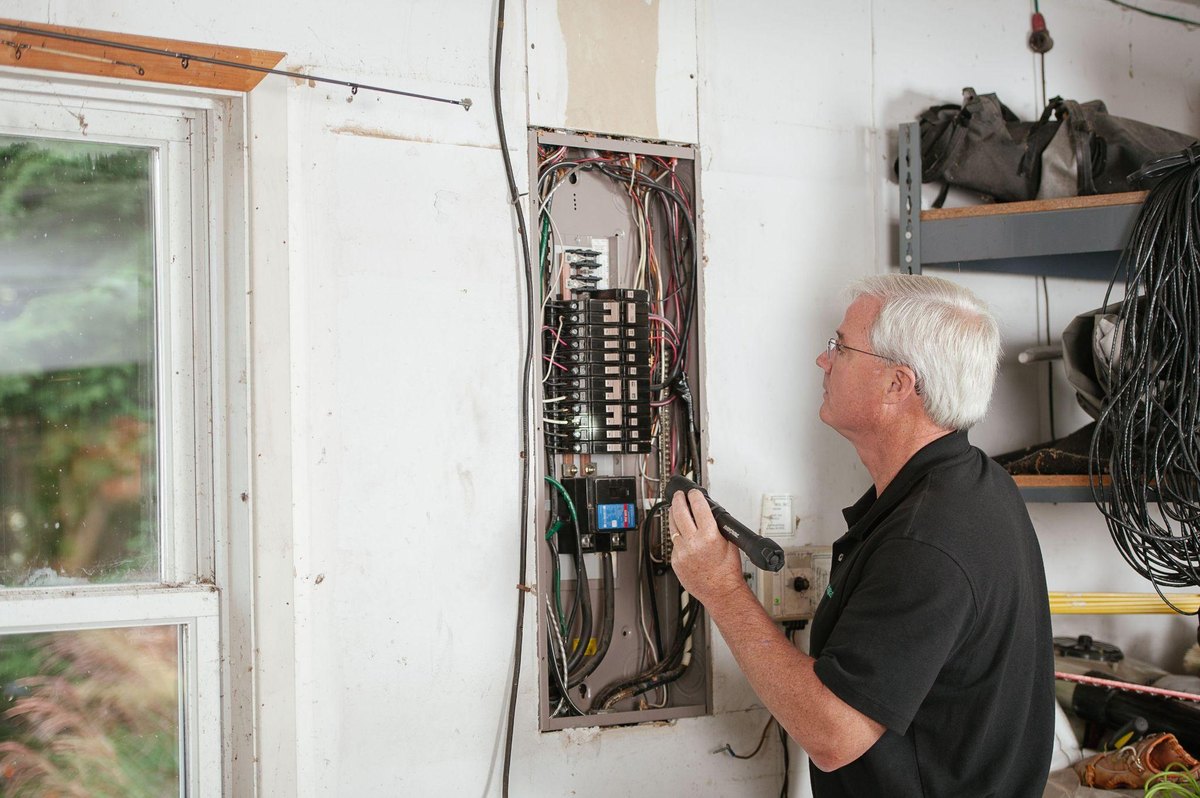
The electrical work should be contracted except when you, the customer, have hired a licensed and experienced electrician to install the hazardous location. This is not where one can learn on the job. Most jurisdictions mandate permits and inspections of the biogas installations anyhow, and thus you will have to have the professional documentation to ensure that you pass the inspection.
Constructing a small-scale system of biogas is a thrilling undertaking that can offer actual energy independence and decrease your carbon footprint. But it only works when you are still there to take pleasure. Being serious about electrical safety during the planning phase all the way to the installation stage and maintenance is not about being over sensitive about it but rather respecting the very tangible dangers that are associated with the integration of electricity and combustible gases.
Use quality components, adhere to installation procedures and take good care of your system. Your future self will pay you with the attention that you have paid today.