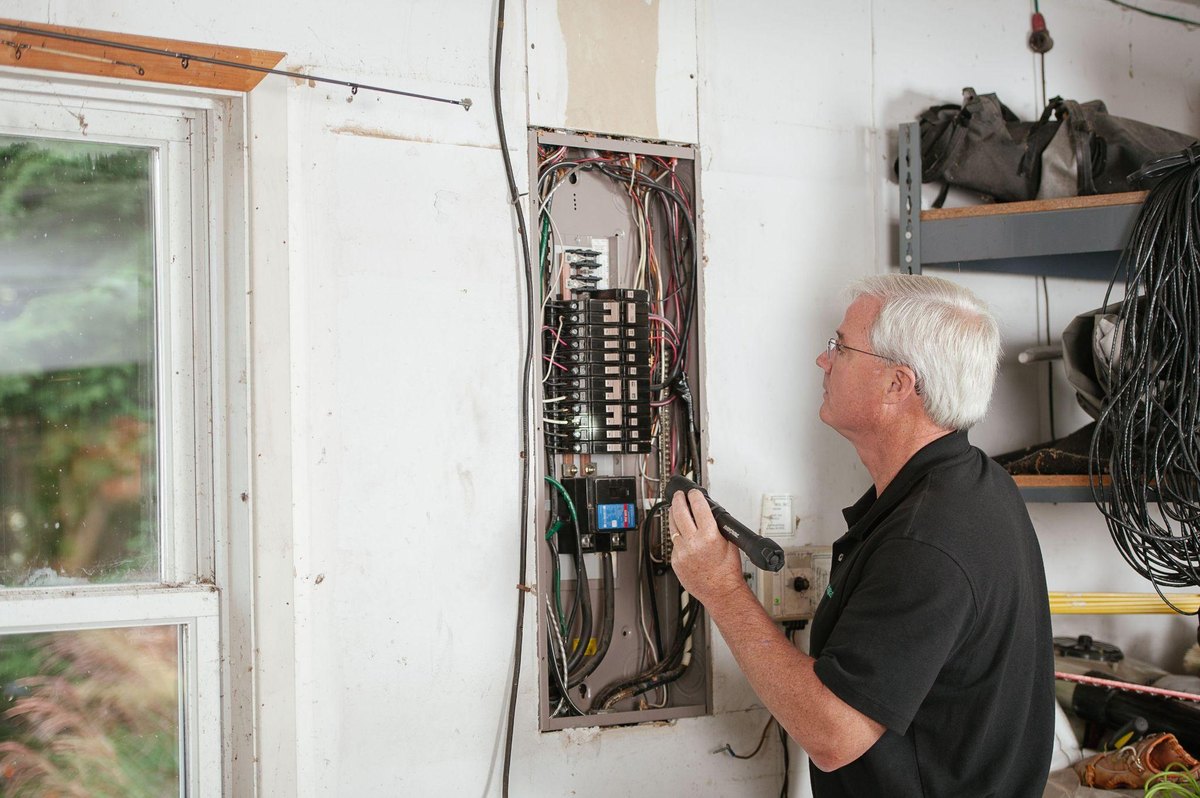


Electrical audits at biogas plants are rarely about paperwork alone. Inspectors walk in expecting proof that your electrical systems are safe, documented, and aligned with current standards.
Passing means showing consistent compliance. It does not mean scrambling to fix issues the week before inspection.
Biogas facilities operate in harsh, moisture-heavy environments where electrical components face constant stress. Corrosive gases, vibration, and continuous loads increase risk. Preparation must, therefore, be systematic and ongoing.
In this article:
Align With NFPA 70E and Arc-Flash Standards
Auditors expect documented compliance with NFPA 70E and OSHA electrical safety guidance. Inspectors are now looking more closely at whether facilities are actively updating hazard assessments.
For biogas plants (and bioenergy plants in general), arc-flash risk is especially high around generators, switchgear, and motor control centers exposed to corrosive conditions. Current arc-flash studies, field-verified labels, and up-to-date PPE training records demonstrate real compliance.
Audit-ready facilities maintain:
- A current arc-flash risk assessment signed by a qualified professional
- Clearly visible hazard labels applied to all relevant equipment
- Training documentation showing workers understand shock and arc-flash boundaries
Consistency between documentation and field conditions matters most. Inspectors will compare both side by side.
Strengthen Lockout-Tagout Programs Through Routine Audits
Lockout-tagout programs are heavily scrutinized during electrical audits. Biogas plants depend on pumps, agitators, blowers, and compressors that require strict energy-isolation procedures during maintenance.
According to guidance published by SafetyCulture, OSHA 1910.147 requires periodic inspections of energy-control procedures. Regular internal audits show inspectors that procedures are reviewed, corrected, and reinforced.
Procedures should be equipment-specific and updated whenever modifications occur. Maintenance logs must reflect real-world use of lockout devices, not generic templates.
Clear labeling also supports lockout/tagout success. Following established regulations for electrical panel labels ensures disconnects, breakers, and control panels are properly identified.
Accurate labeling reduces isolation errors. It also strengthens your audit position.
Maintain Accurate Single-Line Diagrams and System Documentation
Single-line diagrams are often overlooked until audit day. Inspectors expect current drawings that reflect actual field conditions.
Any change to generators, transformers, panelboards, or feeders should trigger a drawing update. Outdated diagrams signal poor change-management practices.
Documentation should include load calculations, short-circuit studies, and protective-device coordination reports. Accessible, organized records demonstrate that the electrical system is engineered and maintained intentionally.
Biogas facilities frequently expand capacity over time. Updated diagrams help prove that additions were properly evaluated rather than simply tied into existing infrastructure.
Conduct Regular Arc-Flash and Shock Labeling Reviews
Labeling is not a one-time project. Environmental exposure in biogas plants can fade, corrode, or detach warning labels.
Industry guidance from the Energy Institute emphasizes the importance of consistent arc-flash and shock hazard labeling across energy facilities. Clear, durable labels improve worker awareness and inspection outcomes.
Auditors check whether labels match the most recent study data. Mismatched incident-energy values or missing approach-boundary information will draw immediate attention.
Routine field-walk inspections should verify that:
- Labels remain legible and securely attached
- Equipment ratings match posted hazard information
- Temporary modifications are properly documented
Keep Detailed Preventive Maintenance and Inspection Logs
Maintenance documentation often determines whether an audit passes or fails. Electrical components in biogas environments degrade faster due to humidity and corrosive gases.
Inspectors want evidence that breakers are exercised, infrared scans are performed, and grounding systems are tested. Maintenance logs should show dates, findings, corrective actions, and technician signatures.
Predictive maintenance programs add another layer of credibility. Infrared thermography reports, torque-verification records, and insulation-resistance test results demonstrate proactive risk management.
Organized digital records make audit reviews smoother. When inspectors request documentation, immediate retrieval builds confidence.
Build a Culture That Supports Audit Readiness
Technical compliance alone is not enough. Auditors observe how employees respond to questions and whether safety knowledge is consistent across shifts.
Supervisors should conduct mock audits and safety briefings throughout the year. Cross-training operators and maintenance staff ensures that procedures are understood beyond the management level.
Biogas plants that integrate electrical safety into daily operations tend to perform better during formal inspections. Preparation becomes part of the routine workflow rather than a short-term effort.
Making Electrical Audit Success Part of Daily Operations
Passing electrical audits at biogas plants requires structured documentation, updated studies, reliable labeling, and consistent maintenance practices. Each of these elements reinforces the others and builds a defensible safety program.
Teams that treat audit readiness as an ongoing process experience fewer surprises and stronger inspection outcomes.
If your facility is reviewing its electrical safety program, consider evaluating procedures, documentation, and labeling standards together. For tailored support or clarification, reach out through a service or contact page and start strengthening your audit readiness today.
And if this article was helpful, check out some of our other content!