

Food delivery isn’t just a convenience anymore – it’s basically part of daily life, whether you’re grabbing dinner at home or lunch at the office. With this boom comes greater pressure on companies to address their environmental footprint. Over the past decade, many operators have reviewed their processes and introduced practical changes that reduce waste, lower emissions, and improve resource use.
Sustainability in this sector now covers everything from where ingredients come from and how they’re packaged to how orders are delivered and even the choices customers make. Companies that take this seriously often spot real gains in efficiency and manage to shrink their environmental footprint along the way.
In this article:
Sustainable Packaging Innovations
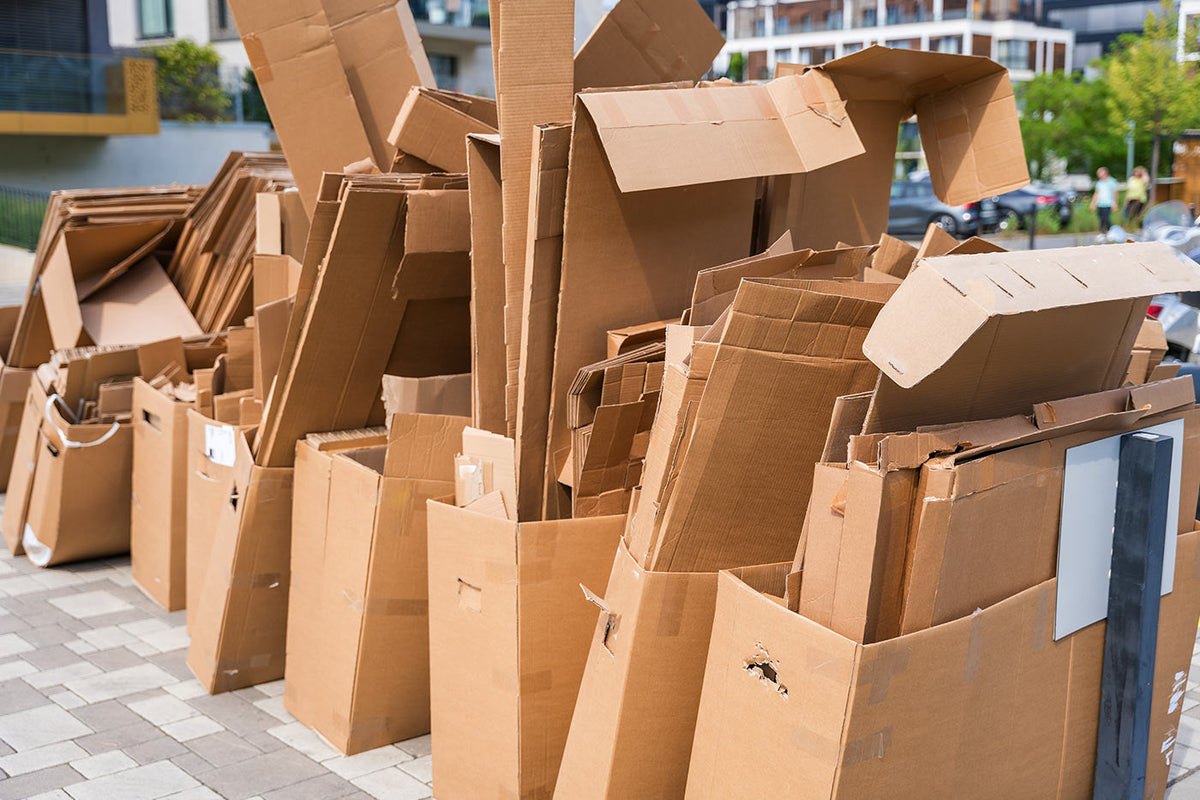
Packaging is the first thing most people notice when it comes to environmental issues in food delivery. Cheap, tough single-use plastics used to be everywhere, but they stick around as trash long after a meal is eaten. Now, plenty of services are switching these out for recyclable, compostable, or reusable options that protect food and reduce waste.
The details matter a lot here. Good packaging needs to keep food hot, stop leaks, and survive the trip – without piling on extra layers or useless parts. Molded fiber boxes, plant-based plastics, and containers with built-in sections so different foods don’t get mixed up. These changes minimize waste and get the job done.
A clear example comes from Ideal Nutrition, which has updated its packaging with measurable results. The company reduced plastic use enough to eliminate around 10 tons of waste within a year. Its new trays separate ingredients into compartments, which helps food heat evenly and stay intact during delivery. These trays hit all the key safety marks – they’re made with fully recyclable, food-safe materials and avoid any risky substances like BPA or PFAS.
Responsible Sourcing and Ingredient Selection
Sustainability begins at the sourcing stage. Food delivery companies are looking more closely at where their ingredients come from, how they’re grown, and how far they travel. Choosing the right suppliers isn’t just better for the planet; it also means steadier supply chains.
Working with regional producers or local growers means food travels shorter distances, which cuts emissions and often results in fresher ingredients. Relying on in-season produce reduces the need for power-hungry cold storage or long-distance freight.
The menu matters too. More places are adding plant-based meals and proteins from farms that prioritize sustainable practices. Customers seem to care about this, and companies are responding with clearer sourcing policies to back up these choices.
Traceability tools help make sure these standards are real – digital tracking lets companies see where ingredients came from all along the path, adding more accountability to the system and making it tougher for unsustainable practices to slip in unnoticed.
Optimizing Delivery Logistics
Getting food from A to B is a major contributor to the environmental load of food services, especially in busy cities. To cut delivery emissions, many companies are rethinking how routes are planned and what vehicles do their rounds.
They’re using software that maps out deliveries, looks at traffic, and times routes so drivers aren’t doubling back or burning fuel stuck on the road. Combining multiple orders on a single trip reduces trips and waste even more.
There’s also a big push toward electric bikes, scooters, and cars – especially in urban areas where trips tend to be short. Switching to electric transport doesn’t just reduce emissions; it also helps improve city air quality.
Another tweak is to open smaller distribution points closer to most customers, so deliveries don’t have to cover as much ground. This saves time, slashes unnecessary travel, and uses delivery staff more efficiently.
Reducing Food Waste Across Operations
Food waste is a stubborn problem in this industry. But better planning, smarter forecasting, and tighter portion controls are making a dent.
By digging into order history and demand trends, businesses can prep just the right amount of food, reducing leftovers. Sticking to standard portion sizes has the same effect – it keeps portions reasonable and stops food from getting tossed. Services that portion meals ahead of time see even bigger wins here.
Some companies team up with local groups to pass along their extra food, while others tweak menus to make sure ingredients get used up – minimizing what ends up in the trash and helping out in the community along the way.
Energy Efficiency in Kitchens and Facilities
Kitchens use a ton of energy, so making upgrades can really pay off over time. Swapping old gear for new ovens, induction cooktops, and modern refrigerators lowers power use without slowing things down.
How a facility is built also plays a part – good insulation, smart layouts, and switching to LED lighting help shrink the energy bill. A few places are even investing in solar or other renewables to cover some of their electricity needs.
Daily practices support these technical changes. Staff training ensures that equipment is used correctly and not left running when idle. Small adjustments, repeated across many locations, can produce meaningful savings.
Engaging Consumers in Sustainable Behavior
Customers have a role to play, and delivery services are making it easier to do the right thing with minimal effort.
On many platforms, you can now say no to napkins or plastic utensils with just a click, and this small step makes a noticeable difference at scale. Clear reminders during checkout nudge people to make lower-waste choices.
Some services give simple instructions for recycling or reusing containers. When it’s straightforward, more customers actually follow through. Where reusable options are available, customers are encouraged to use them repeatedly rather than tossing them.
To tip the balance, a few companies offer discounts or rewards for low-waste orders – these programs quietly build up good habits over time.
Conclusion
Food delivery services have been making real progress toward cutting down their environmental impact. Smarter packaging, better sourcing, more efficient deliveries, and improvements behind the scenes show these changes aren’t just possible – they’re happening.
The companies that track their results and stick to simple, concrete steps usually see the biggest gains. If this focus continues, there’s a real shot at less waste, lower emissions, and a more responsible industry overall.