
Every time we use electricity, drive a car or heat a building, there’s a good chance fossil fuels are involved. They’ve powered human progress for over a century, but they also contribute to global warming and other serious problems. In this guide, we’ll explain the advantages and disadvantages of fossil fuels and look at cleaner energy options.
In this article:
Benefits of Fossil Fuels
Well-Developed Infrastructure
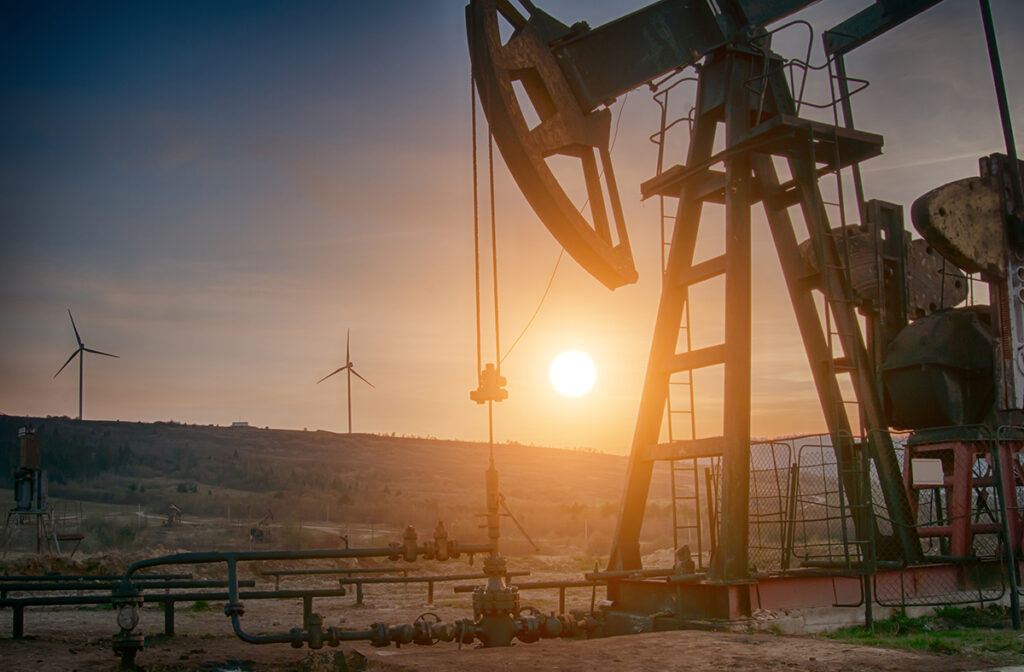
Fossil fuels benefit from more than a century of investment, resulting in an extensive global infrastructure. From pipelines and refineries to power plants and distribution systems, these networks make fossil fuel extraction, processing, and delivery highly efficient.
This entrenched system allows for energy access on a massive scale, providing reliability for industries, transportation, and households alike. Because most energy systems are already designed to run on fossil fuels, switching to alternatives often requires expensive overhauls.
High Energy Density
One advantage of fossil fuels is that they offer a high energy return for the amount consumed. A small quantity of coal, oil, or natural gas can generate substantial energy, making them especially suitable for energy-intensive applications like industrial manufacturing and transportation.
For example, gasoline packs around 40 times more energy per pound than electric vehicle batteries. This density enables efficient long-distance energy transport and minimizes storage volume, which is critical in sectors like aviation and freight.
On-Demand and Reliable
Unlike renewable energy sources that depend on sunlight or wind, fossil fuels can produce power continuously and on demand. Power plants fueled by coal or natural gas can operate day and night, regardless of weather or time of year.
This makes fossil fuels exceptionally reliable for grid stability and emergency energy supply. Their availability ensures that energy production can meet peak energy demand without significant fluctuation or storage challenges.
Global Availability
Fossil fuel reserves are found in many regions around the world, enabling widespread use and trade. Countries without reserves often import fuels through tankers or pipelines, ensuring global access.
This distribution network supports global economies and ensures that even energy-poor nations can power industries and homes. In regions without strong renewable infrastructure, fossil fuels remain a crucial lifeline against energy poverty.
Economic Importance and Versatility
Fossil fuels power economies, supporting millions of jobs in mining, refining, logistics, and petrochemical manufacturing. According to the Department of Energy, beyond energy, oil and gas are the building blocks for over 6,000 everyday products, including plastics, fertilizers, cosmetics, and medicines.
Their economic role extends from heavy industry to consumer goods, making fossil fuels central to both GDP growth and technological development.
Disadvantages of Fossil Fuels
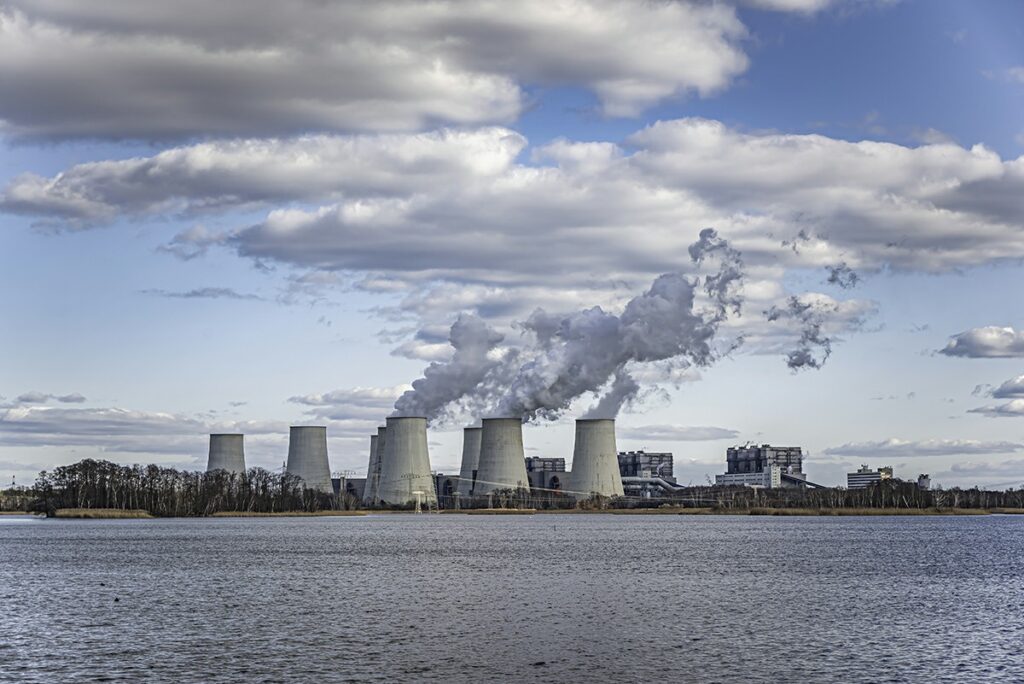
A Finite and Non-Renewable Resource
Fossil fuels take millions of years to form, making them a non-renewable source within a human timescale. At current consumption rates, coal may last about 130 years, while oil and natural gas could be depleted in 50 or 60 years, according to the Energy Tracker Asia.
As supplies dwindle, costs are expected to rise, leading to potential energy shortages. This finite nature makes long-term energy planning risky and underscores the urgency embracing long-term energy sustainability.
A Major Contributor to Climate Change
The burning of fossil fuels releases vast amounts of greenhouse gases, primarily carbon dioxide, which trap heat in the atmosphere. According to Statista, in 2023, fossil fuels are responsible for a record high of 37.8 billion metric tons of carbon emissions.
This is the leading cause of global warming and its effects, rising temperatures, extreme weather, and melting polar ice. It poses significant threats to ecosystems and human survival. Continued use exacerbates an already critical climate crisis.
Health and Environmental Pollution
Combustion of fossil fuels emits harmful pollutants such as nitrogen oxides, sulfur dioxide, particulate matter, and heavy metals. These substances degrade air and water quality and impact human health, leading to respiratory illnesses, cardiovascular diseases, and cancer.
A Harvard study found fossil fuel air pollution caused 8 million premature deaths in 2018 alone. Ecosystems also suffer from acid rain, toxic runoff, and soil contamination linked to fossil fuel operations.
Accident and Safety Hazards
Fossil fuel extraction and transportation pose significant safety risks. Accidents like the Deepwater Horizon oil spill highlight the environmental devastation from offshore drilling.
Coal mining can lead to cave-ins and long-term respiratory illness in miners, while natural gas pipelines and fracking operations carry risks of explosions and earthquakes. These incidents cause economic damage and long-term harm to communities and wildlife.
Water Usage and Pollution
The extraction and processing of fossil fuels require massive amounts of water, particularly in drought-prone areas. Activities like oil drilling, fracking, and coal mining consume billions of gallons of freshwater each year, not just for extracting fuel but also for cooling machinery and refining processes.
Additionally, water pollution from spills, fracking wastewater, and runoff from coal mines endangers aquatic ecosystems and drinking water sources. Toxic substances such as mercury and lead can leach into groundwater, making fossil fuels a major threat to global water security and biodiversity.
Sustainable Alternatives to Fossil Fuels
These alternatives not only reduce greenhouse gas emissions but also offer long-term energy security and environmental protection.
- Solar power: This source of energy uses sunlight to generate electricity via photovoltaic panels. It’s clean, abundant, and increasingly affordable.
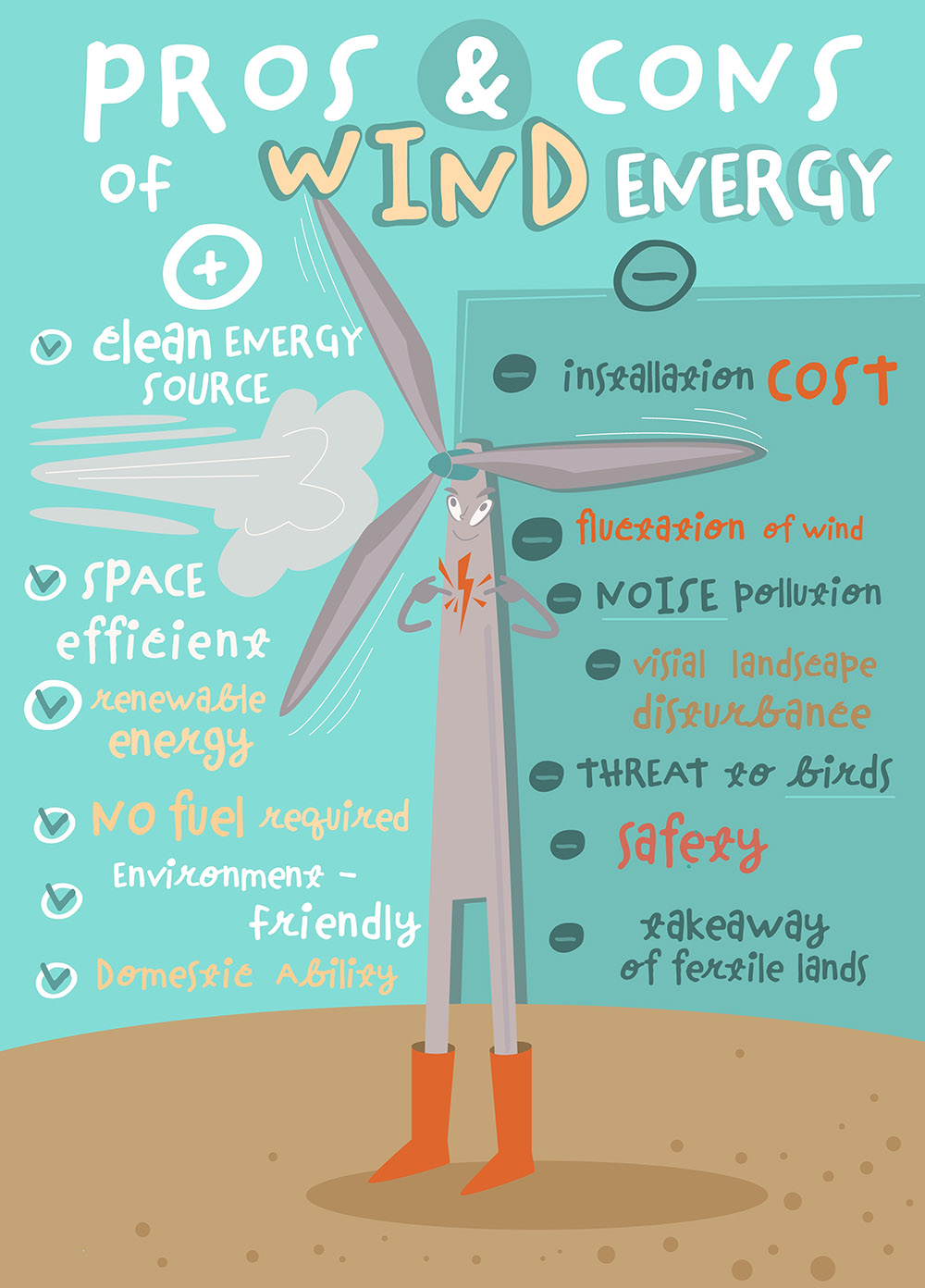
- Wind energy: Wind is converted into power using turbines. It’s a reliable, scalable source in windy regions, but it depends on the weather.
- Hydropower: This alternative energy source generates electricity from flowing water. It’s stable and efficient, though large dams can impact ecosystems.
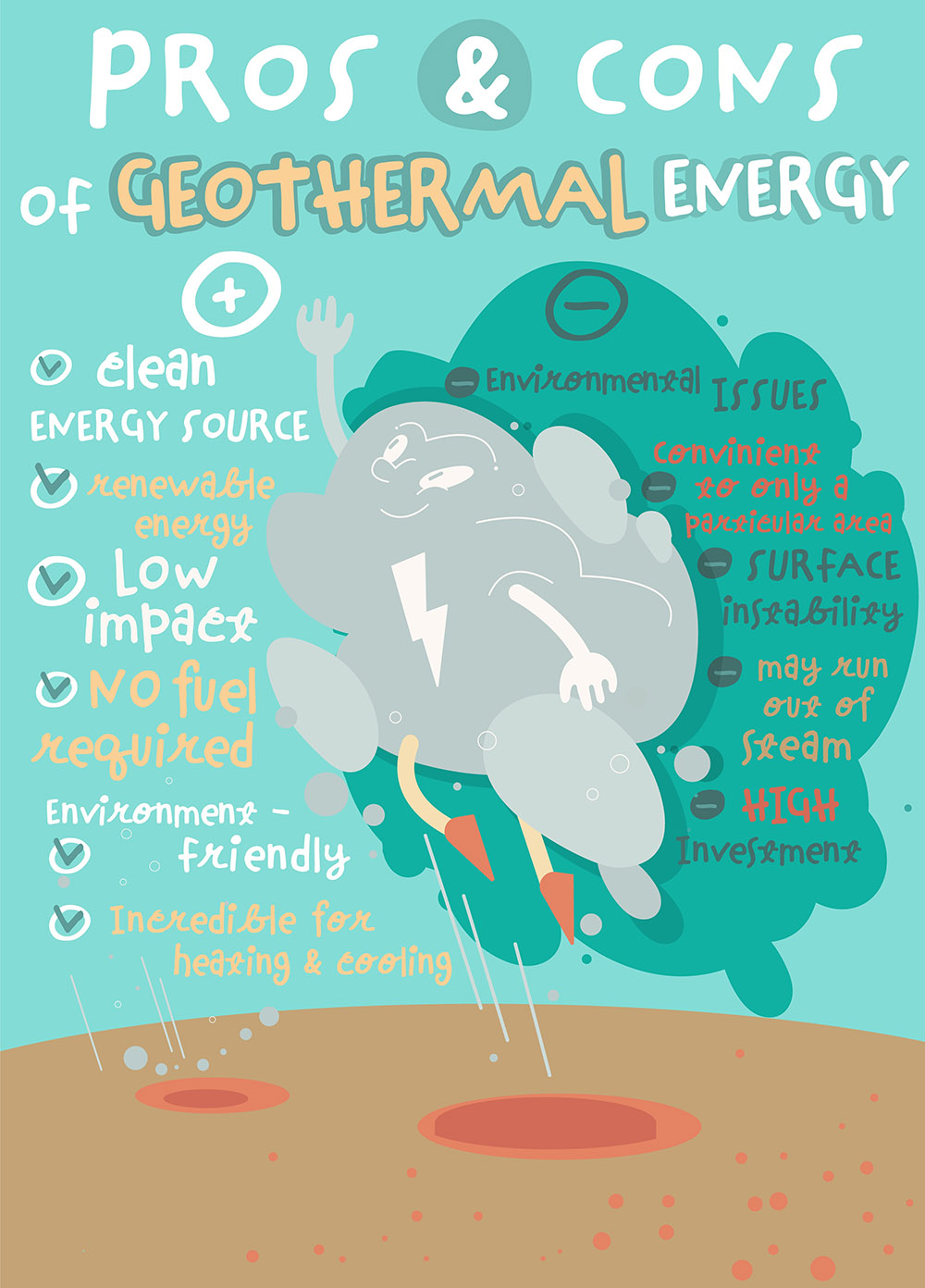
- Geothermal energy: Geothermal energy taps heat from beneath the Earth’s surface. It provides consistent, weather-independent power and heating.
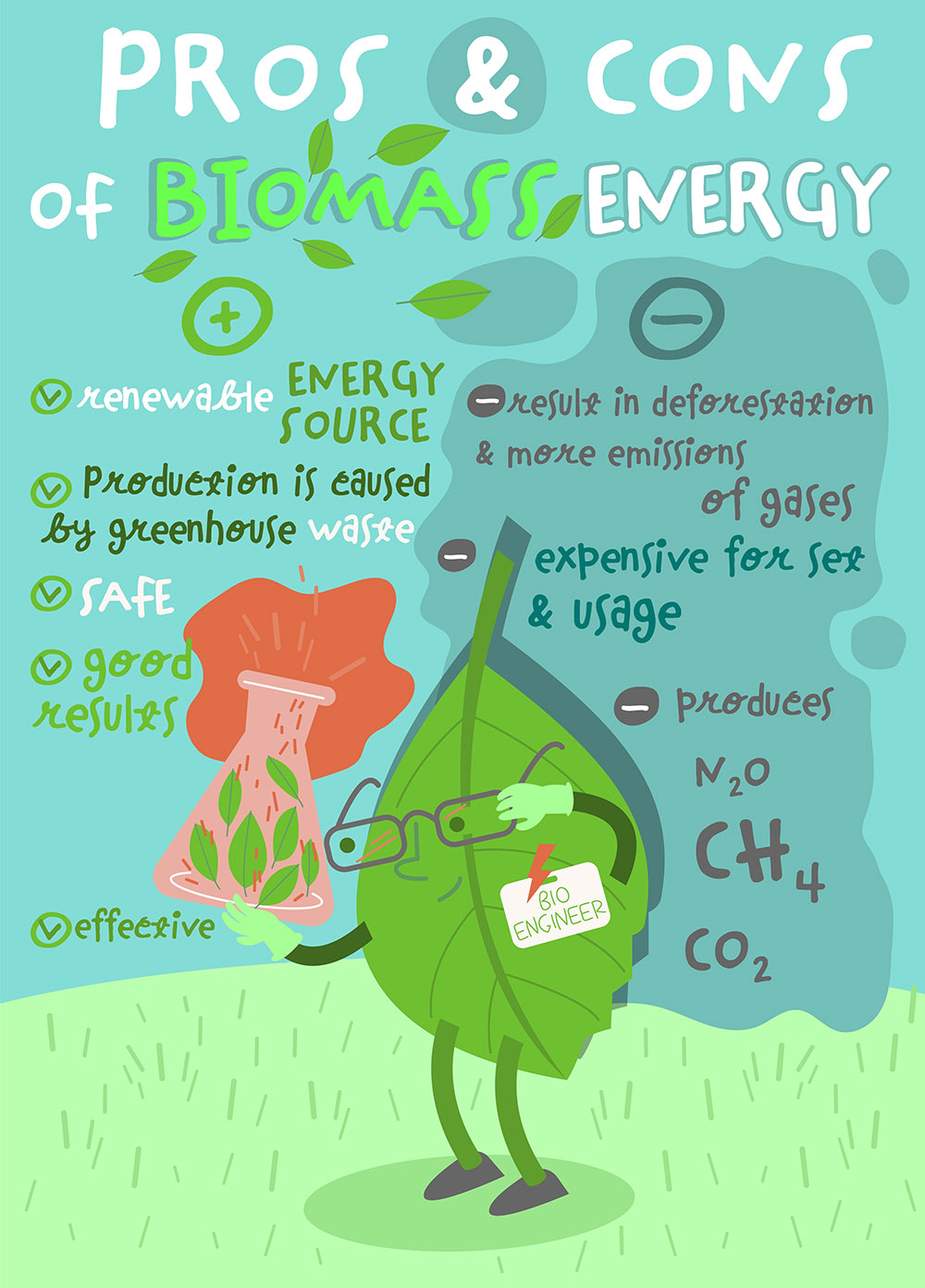
- Biomass energy: Biomass involves burning organic materials like wood, agricultural residues, or even waste to produce heat and electricity. It can be renewable if sustainably sourced.
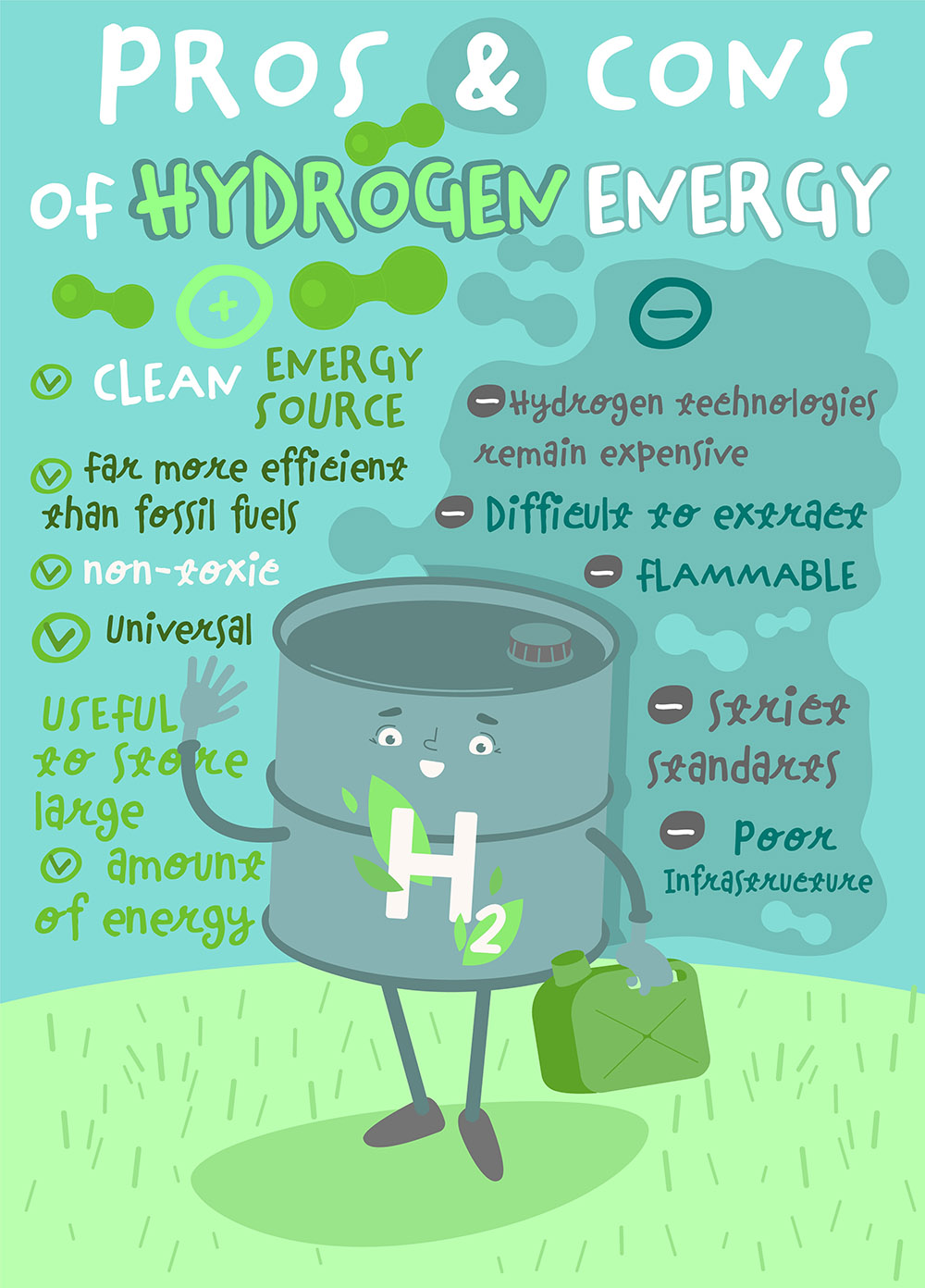
- Green hydrogen: Made by splitting water using renewable electricity, this is a clean fuel for industry and transport with growing potential.
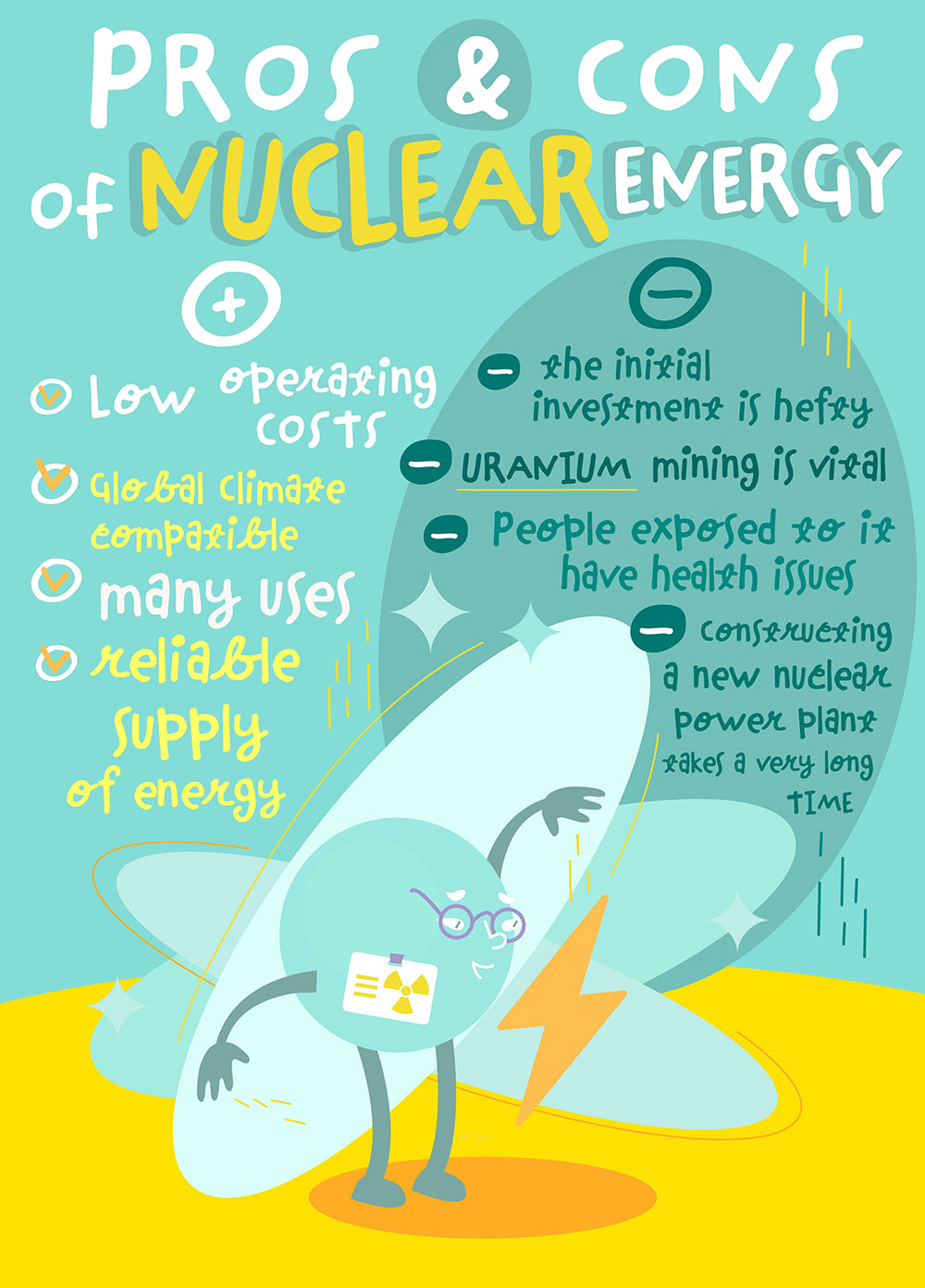
Nuclear energy: This source of energy offers large-scale, low-carbon power. It’s still controversial due to waste and safety concerns, but it’s useful in transition.