
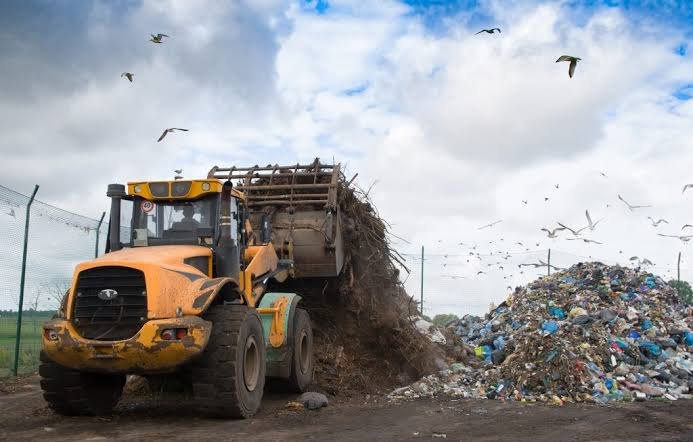
Anyone who has taken on a home project in the Lansing area knows the work rarely ends with the last coat of paint. Whether it is a kitchen remodel in Eastside Lansing, a basement finish in Okemos, a full cleanout of an older East Lansing rental, or storm damage cleanup in Delta Township, the debris a project generates is almost always more than expected, and figuring out where it all goes is a genuine part of the job.
This guide is written specifically for the greater Lansing and Ingham County area. It covers what your debris actually consists of, what can be diverted from the landfill locally, how a dumpster rental actually works so you are not surprised by the bill, and how to set a project up so disposal is handled cleanly from the first day.
In This Article:
What Kind of Debris Lansing Projects Actually Generate
Mid-Michigan’s housing stock is a mix, from the older homes in Lansing’s established neighborhoods to newer builds spreading through Delhi, Meridian, and Delta Townships. That mix means renovation debris here varies a lot depending on the age of the home.
Common categories include:
- Wood: Framing lumber, trim, cabinetry, and doors
- Drywall and plaster: Newer homes have drywall; older Lansing homes often hide original lath-and-plaster, which is heavier and messier to remove
- Concrete and masonry: From driveways, walkways, foundations, and old chimneys
- Metal: Old plumbing, cast iron radiators common in older homes, wiring, and roofing metal
- Roofing: Asphalt shingles and underlayment, a major factor given Michigan’s hard winters and frequent re-roofs
- Yard and storm debris: Michigan’s storm seasons routinely down limbs and trees across the region
Knowing which of these your project will produce is the first step to handling it efficiently, because they do not all go to the same place, and as you will see below, they do not all weigh the same either.
What Can Be Diverted Locally, and What Cannot
A large share of renovation debris does not have to go to a landfill. Ingham County and the surrounding area have reasonable options for diverting the high-value categories, and separating them out saves both landfill space and, often, money on your disposal weight.
Metal is the easiest win. Scrap yards around the Lansing area accept copper, aluminum, steel, and iron, and many pay for clean scrap. Old radiators, plumbing, and wiring all have a local market, and metal’s weight makes pulling it out of your general debris genuinely worthwhile.
Clean wood (untreated and unpainted) can often be diverted, but the “clean” qualifier is critical, painted or treated wood, common in older Lansing homes with lead paint, has to be handled as general waste.
Concrete and masonry can be crushed and reused as aggregate through regional operations, usually at lower cost than landfilling, as long as it is kept clean and separate from other debris.
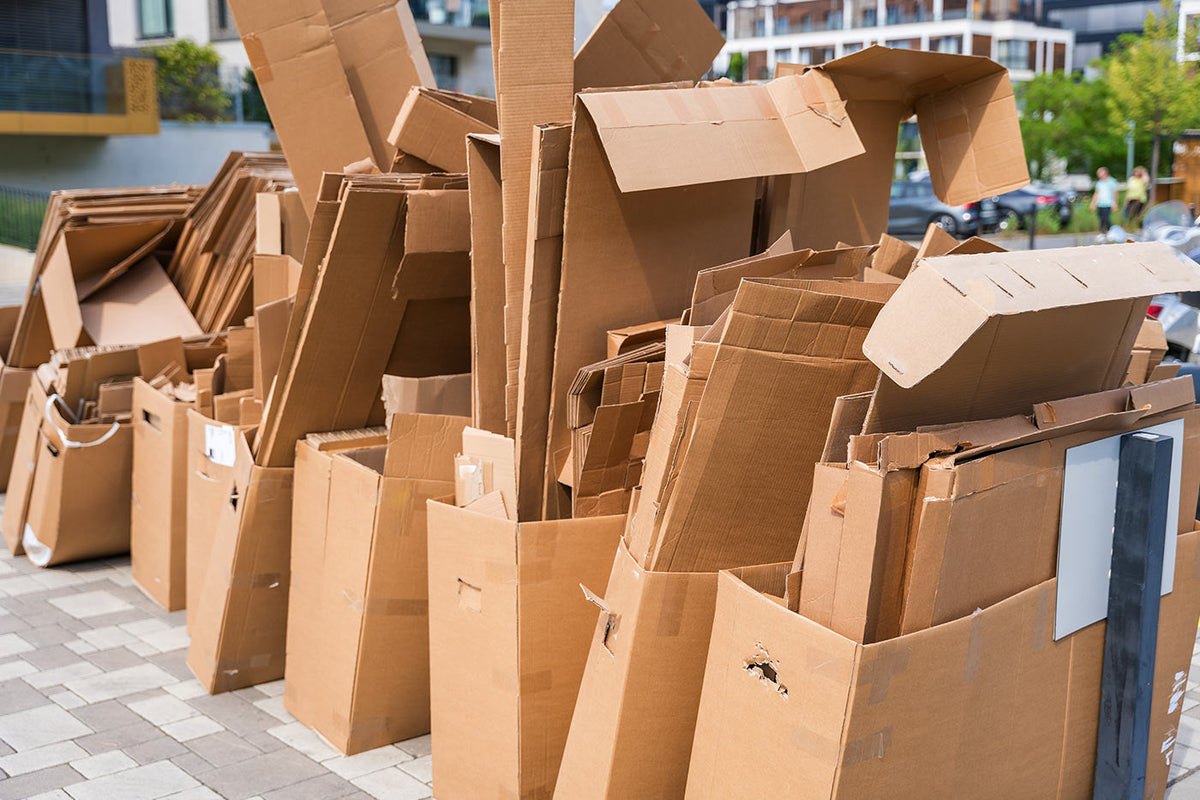
Cardboard from packaging is accepted by essentially every municipal program in the area and is one of the simplest things to divert.
Household hazardous waste, old paint, chemicals, propane tanks, electronics, cannot go in a general container. Ingham County operates household hazardous waste collection for exactly these materials, and checking their current schedule and accepted-items list before you start is the right move.
The Salvage Opportunity in Older Lansing-Area Homes
Many homes in Lansing proper and the older parts of East Lansing predate modern construction, which means demolition often uncovers materials with real salvage value: solid wood doors, original hardware and millwork, cast iron tubs and radiators, and old-growth lumber that is denser and higher quality than anything sold today.
The regional Habitat for Humanity ReStore and local architectural salvage outlets accept many of these items, which keeps usable material out of the landfill and can even offset project costs. The key is pulling salvageable pieces before demolition starts, since the window closes fast once the heavy work begins.
How a Dumpster Rental Actually Works
For most projects, once you have set aside what you can divert and salvage, the rest goes in a rented roll-off container. But a rental is really a bundle of separate terms, and understanding them is what keeps your final bill from surprising you.
Size. Local providers typically carry 10, 15, and 20 yard roll-offs. One “yard” refers to volume in cubic yards, not weight, roughly a pickup-truck bed per yard, so a 20 yard container holds about eight to ten truckloads of space. A 10 yard suits a single room or small cleanout, a 15 yard fits a larger remodel, and the 20 yard is the most popular all-purpose size for whole-home cleanouts and general construction debris.
Included tonnage. Every rental includes a set weight allowance, measured in tons. This is arguably more important than the size, because weight is what people misjudge most.
Overage fees. Anything over your included tonnage is billed per ton. Always ask this rate up front, because if you underestimate your weight, this is what determines your surprise charge.
Rental duration and extension fees. Your rental includes a set number of days. Keep it longer and you pay a daily or weekly extension fee, worth knowing if your timeline is uncertain.
Swap-outs. Fill a container before the job is done and a swap-out hauls the full one and drops an empty, convenient, but a separate charge for the second haul.
Dry run fees. If the truck arrives and cannot complete the drop or pickup, a blocked driveway, a car in the way, the load piled above the fill line, you may be charged a “dry run” for the wasted trip. Keeping the area clear and not overfilling avoids it entirely.
Fuel and environmental fees. Some companies add a fuel or disposal surcharge. Reputable local operators are upfront about these, so ask whether the quoted price is all-in or whether anything gets added.
The most useful question you can ask any provider is simply: “Is this an all-in price, and what would push it higher?” A good local operator will walk you straight through the tonnage, the overage rate, and any surcharges without hesitation.
The Weight Problem That Catches Lansing Homeowners Off Guard
This is the most common and most expensive mistake, and it ties directly to the tonnage and overage fees above.
The biggest trap is dense material. Concrete, brick, and dirt should never go into a large general container. A big roll-off filled with concrete becomes too heavy for the truck to haul legally and simply cannot be picked up. For a driveway tear-out or a patio demo, you want a dedicated heavy-material container, a low-walled unit built specifically for dense fill, not a standard large dumpster. If your project involves concrete or dirt, say so when you book so you get pointed to the right container.
Roofing is the other classic surprise. Asphalt shingles are heavy, and given how many Lansing-area homes have been re-roofed over the years, homeowners frequently discover two or even three layers of old shingles stacked up, which can double or triple the weight they planned for and blow past their included tonnage.
And a Michigan-specific one: rain and snow. If you leave an open container uncovered through one of Michigan’s wet stretches, porous debris like drywall, wood, and roofing soaks up water and gains real weight, meaning you end up paying overage charges on precipitation. Tarping the container between working sessions is a small step that saves real money.
Setting Up Your Project for Clean Disposal
The hardest part of responsible disposal is not finding places for materials to go, it is managing the logistics of keeping them separated while the work is happening. A few habits make it manageable:
Plan disposal before demo day. Deciding where debris goes after it is already piled up is the main reason projects default to one mixed landfill load. Set up your containers and sorting spots before the first wall comes down.
Keep a container on site. For most Lansing-area projects, the simplest setup is a roll-off in the driveway so debris goes straight in as you work, keeping the site clear and safe instead of accumulating in piles.
Work with a local hauler who knows the area. A provider familiar with Ingham County access, seasonal conditions, and local disposal realities makes the whole process smoother than a national broker routing your job through a call center.
For projects across Lansing and the surrounding townships, arranging a dumpster rental in Lansing MI from a locally owned operator like Buster’s Dumpster Rentals LLC gives you responsive, straightforward disposal with someone who actually works the area. A Lansing resident searching “dumpster rental Lansing MI” will find local options with up-front pricing and quick availability, which makes it realistic to have proper disposal in place from day one, and a local operator can also point you toward the right container for your specific material rather than leaving you to guess.
Local Rules Worth Checking First
Two quick checks save headaches. First, if a container needs to sit on the street rather than your own driveway, you may need a permit from the City of Lansing or your township, whereas a container on your own property generally does not. Second, for hazardous materials and certain restricted items, confirm the current Ingham County disposal options and schedules, since those change and are the authoritative source for what is accepted.
Handling those two things up front, plus planning your disposal before demo begins, is what separates a project that stays on schedule from one that stalls out over a debris problem nobody planned for.
The Bottom Line for Lansing Projects
A renovation or cleanout in the Lansing area is genuinely more manageable when you treat disposal as part of the plan rather than an afterthought. Know what your project will generate, divert the high-value materials, understand how the rental terms and weight limits actually work, and get a container on site from day one. Do that, and the debris stops being the thing that derails your project, and a lot more of it stays out of the landfill in the process.