
The wind howls outside, the rain lashes against the windows, and then—snap. The neighborhood goes dark.
A decade ago, this moment was a signal to scramble for flashlights, light a few candles, and perhaps worry about the ice cream in the freezer melting if the outage lasted until morning. But today, the stakes are different. Our lives are inextricably linked to a seamless flow of electricity. It’s not just about keeping the lights on anymore; it’s about the food in a fully stocked refrigerator, the electric vehicle (EV) sitting in the garage that needs a charge for the morning commute, and the remote office setup that connects you to your livelihood.
For homeowners in California, Texas, and Florida, “weathering the storm” has taken on a new meaning. It is no longer just about survival during a hurricane or a heatwave; it is about maintaining a standard of living and securing financial independence in an era of unpredictable grid reliability and rising energy costs.
In this article:
The new reality of grid instability
The electrical grid, once a silent and reliable backdrop to our lives, has become a topic of daily conversation. From the rolling blackouts of California’s wildfire seasons to the intense freeze events in Texas and the relentless hurricane seasons in Florida, the vulnerability of our aging infrastructure is exposed.
Public Safety Power Shutoffs (PSPS) have become a common preventive measure in wildfire-prone areas, leaving thousands without power for days—not due to a disaster, but to prevent one. For the modern household, an outage is more than an inconvenience; it is a disruption of critical infrastructure. Medical devices (CPAP machines, oxygen concentrators), integrated security systems, and essential climate control are services that we simply cannot afford to lose.
This shift has driven a massive surge in interest regarding whole-home backup solutions. We are moving away from loud, maintenance-heavy gas generators toward clean, silent, and instant battery backup systems. But reliability is only half the story. The other half is economic.
Beyond survival: Protecting your lifestyle and investment
For the upper-middle-class homeowner, a backup power system is increasingly viewed not as a sunk cost, but as a property upgrade—a premium asset that adds tangible equity to the home. Much like a remodeled kitchen or a pool, a robust energy storage system increases the resale appeal of a property. In real estate markets where buyers are savvy about energy costs and grid reliability, a home equipped with a “Solar + Battery” ecosystem stands out as a prudent, long-term investment.
However, the financial argument goes deeper than resale value. We are seeing a fundamental shift in how utility companies charge for power. In many states, Time-of-Use (TOU) rates mean that electricity is significantly more expensive during the evening “peak” hours (often 4 PM to 9 PM)—exactly when families are home cooking dinner, running the A/C, and watching TV.
Without a battery, you are paying a premium for every kilowatt-hour you consume during these peaks. With a smart battery system, you can store cheap energy (either from the grid during off-peak hours or from your solar panels) and deploy it when rates skyrocket. This is where the narrative shifts from “emergency backup” to “daily savings.”
How solar energy for home builds true independence
The most powerful way to secure both your energy and your finances is by integrating generation with storage. This is where solar energy for home systems transforms from simple energy offsets into engines of true independence.
Historically, solar owners used the grid as a virtual battery—sending excess power out during the day and pulling it back at night. But policies are changing. In California, the implementation of NEM 3.0 (Net Energy Metering) has fundamentally altered the math. The credit you receive for sending solar energy back to the grid has plummeted, making the old model of “sell high, buy low” obsolete.
Under the new rules, the most financially sound strategy is self-consumption. By pairing solar with a high-capacity battery, you capture every ray of sunshine your roof generates. Instead of selling that power to the utility for pennies, you store it to power your home through the night or to charge your EV. This creates a closed-loop energy system that insulates you from rate hikes and policy changes, ensuring that you—not the utility company—control your energy destiny.
Navigating the financial landscape: Incentives and ROI
While the upfront investment in a whole-home backup system can be significant, the landscape of government incentives makes the Return on Investment (ROI) increasingly attractive.
For high-consumption households—those with monthly bills exceeding $300 or $500—the ROI is even faster. When you factor in the rising cost of grid electricity, which historically trends upward, locking in your energy costs today is a hedge against the inflation of tomorrow.
Future-proofing for the high-consumption home
Many homeowners hesitate because they worry a battery system won’t keep up with their needs. This is a valid concern, especially for those with central air conditioning, pool pumps, and electric vehicles. A small, portable battery might charge a phone, but it won’t run a 4-ton A/C unit during a Texas summer heatwave.
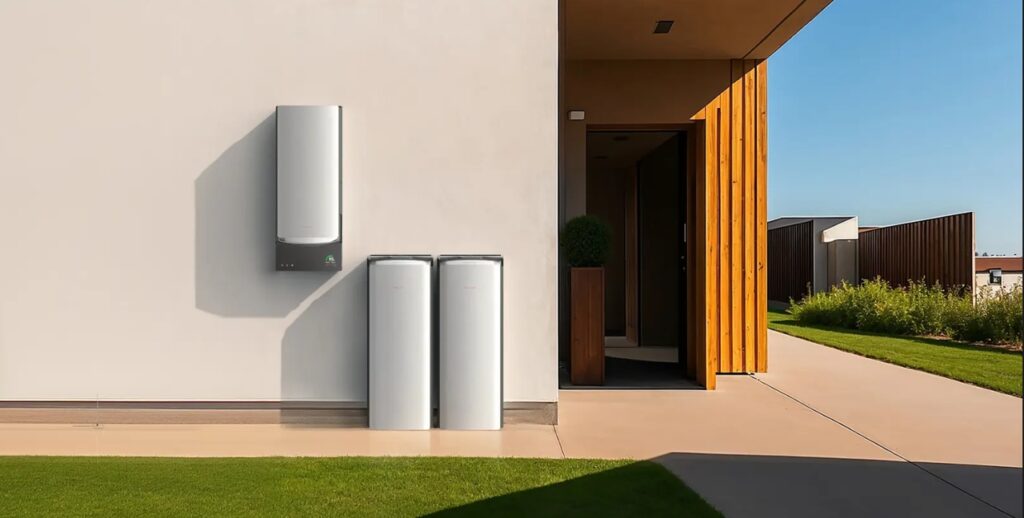
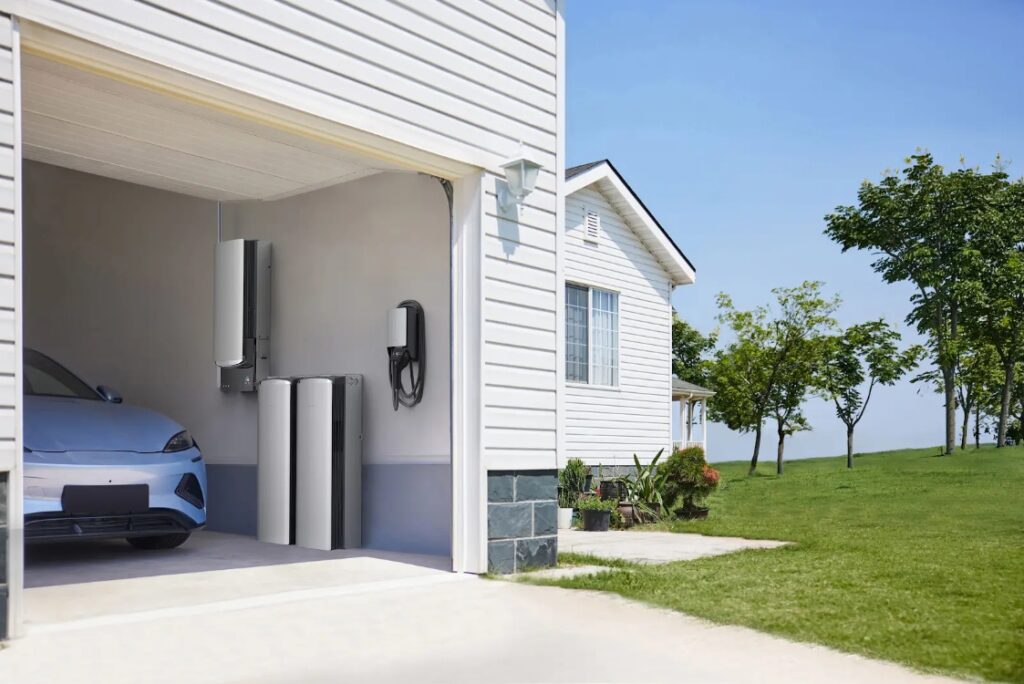
This is why scalability is the new standard in modern backup power. Leading solutions on the market, such as EcoFlow OCEAN Pro Solar Battery System, are designed with modularity in mind. You might start with a system capable of keeping the essentials running—fridge, Wi-Fi, lights. But as your needs grow, perhaps with the purchase of a second EV or an addition to the home, you can simply stack more battery capacity.
For EV owners, this integration is critical. Your car is the biggest energy consumer in your house. A robust whole-home backup system can bridge the gap between your roof and your car, allowing you to drive on sunshine rather than fossil fuels. This “sun-to-wheel” ecosystem is the ultimate expression of modern energy independence.

Simple, seamless, and smart
The final barrier to adoption for many is complexity. No one wants a science project in their garage. They want an appliance that just works.
Modern energy storage systems have moved beyond the clunky industrial boxes of the past. They are now smart home devices. With intuitive apps, homeowners can monitor their energy flow in real-time, customize their backup priorities, and even automate their savings by telling the battery to discharge exactly when grid rates are highest.
Conclusion: Peace of mind is the ultimate luxury
At the end of the day, the value of a modern backup power system is measured in moments. It’s the moment the storm hits and your house stays bright and cool while the street goes dark. It’s the moment you open your electric bill and see the savings from self-powered evenings. It’s the peace of mind knowing that no matter what happens to the grid, your home remains a sanctuary.
We are entering a new era of energy responsibility. By embracing solar and storage, we aren’t just weathering the storm—we are mastering it. Whether you are driven by the desire for financial savings, environmental stewardship, or the simple need for security, the path forward is clear: the future of home energy is independent, intelligent, and in your hands.