
You’ve probably heard people say that natural gas is a “cleaner” fossil fuel, but what does that really mean? Some say it’s a step toward a better future, while others are concerned about its impact. If you’re also wondering about this, keep reading to explore natural gas’s advantages and disadvantages.
In this article:
6 Natural Gas Advantages
1. Lower Greenhouse Gas Emissions
Natural gas produces substantially less carbon dioxide than coal and oil when burned. According to the Center for Climate and Energy Solutions, it emits around 50% less CO2 than coal and about 30% less than oil. This makes it one of the cleanest burning fossil fuels available.
It also results in lower emissions of sulfur dioxide, nitrogen oxides, and particulate matter, which significantly improves air quality. These benefits make natural gas a more environmentally responsible choice for electricity generation and heating, especially in regions transitioning away from dirtier fossil fuels.
2. Reliable Backup for Renewables
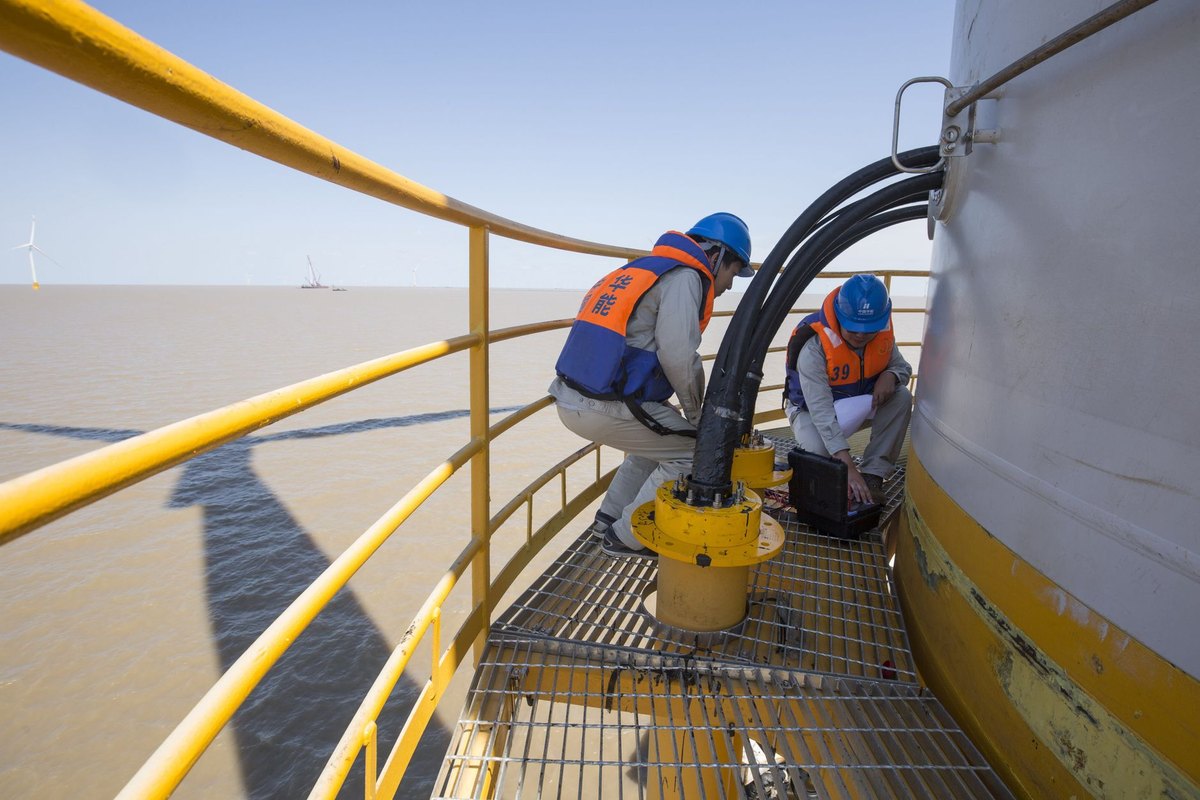
Natural gas is uniquely suited to complement renewable energy sources like wind and solar. Because it can be ramped up or down quickly, it’s ideal for filling energy gaps when solar panels or wind turbines are underperforming due to weather conditions.
This makes it a dependable and flexible “bridge fuel” in the transition to a renewable-based energy system. It ensures grid reliability and can help utilities meet energy demand peaks without resorting to coal or oil, which are far more polluting.
3. Cost-Effective Energy
Natural gas is often less expensive than other fossil fuels due to its domestic abundance and advanced extraction technologies like hydraulic fracturing. This lower cost benefits both utility providers and end-users, reducing electricity bills and industrial production costs.
Its high energy efficiency means that less fuel is needed to produce the same amount of energy, enhancing economic viability. This cost advantage is particularly important in industries that rely heavily on consistent, affordable energy for manufacturing or processing.
4. Extensive Infrastructure
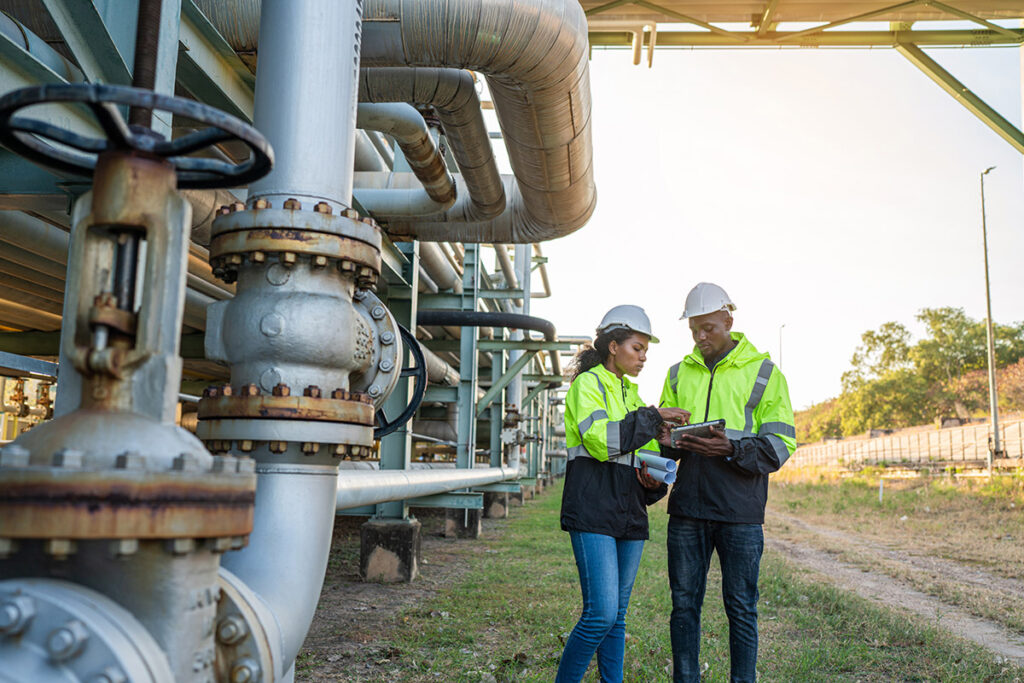
A robust, established infrastructure already exists for the natural gas extraction, transportation, and distribution in many countries, particularly in the U.S. This allows for relatively easy and rapid expansion of natural gas usage without needing to invest heavily in new facilities.
Pipelines, compressor stations, and storage systems are already in place, reducing the capital investment required to integrate natural gas into existing energy grids. This makes it a practical and scalable energy source for both residential and industrial use.
5. Economic Stimulus and Job Creation
The natural gas industry supports millions of jobs globally, from drilling activities and pipeline construction to utilities and equipment manufacturing. In 2018, in the U.S. alone, more than 3.4 million jobs were directly linked to the natural gas sector [Get into Energy].
This economic activity also contributes billions in tax revenues, which support public infrastructure, schools, and emergency services. The presence of natural gas operations often boosts local economies, particularly in rural areas, by offering high-paying jobs and creating demand for related goods and services.
6. Abundant Source of Energy
Natural gas is one of the most abundant energy sources available today. Countries like the United States have access to trillions of cubic feet of technically recoverable natural gas reserves. This abundance ensures a long-term, stable supply that can meet growing energy demands across various sectors.
Unlike renewable sources of energy that depend on weather conditions, natural gas can be continuously extracted and delivered, making it a reliable backbone of the current energy grid. Its widespread availability also reduces dependence on oil imports and supports energy independence.
6 Natural Gas Disadvantages
1. Methane Emissions and Climate Impact
Although natural gas burns cleaner than coal and oil, its main component, methane, is one of the potent greenhouse gas emissions. Methane traps 84 times more heat than carbon dioxide over a 20-year period, as stated by the World Resources Institute. Methane leaks can occur during extraction, storage, and pipeline transmission.
Even small leaks during extraction can undermine the environmental benefits of switching to natural gas. These emissions are difficult to detect and measure, and although monitoring technology is improving, methane leakage remains a major challenge to the environmental sustainability of natural gas.
2. Hydraulic Fracturing Environmental Risks
Hydraulic fracturing, or fracking, involves injecting high-pressure water, sand, and hazardous chemicals into rock formations to release trapped natural gas. This method has opened up vast new reserves but raises serious environmental concerns.
Fracking consumes huge volumes of water, potentially strains local water supplies, and has been linked to groundwater contamination. Additionally, the process can cause minor seismic activity or earthquakes in affected regions. The long-term environmental costs of fracking continue to be debated among scientists and regulators.
3. Infrastructure and Explosion Hazards
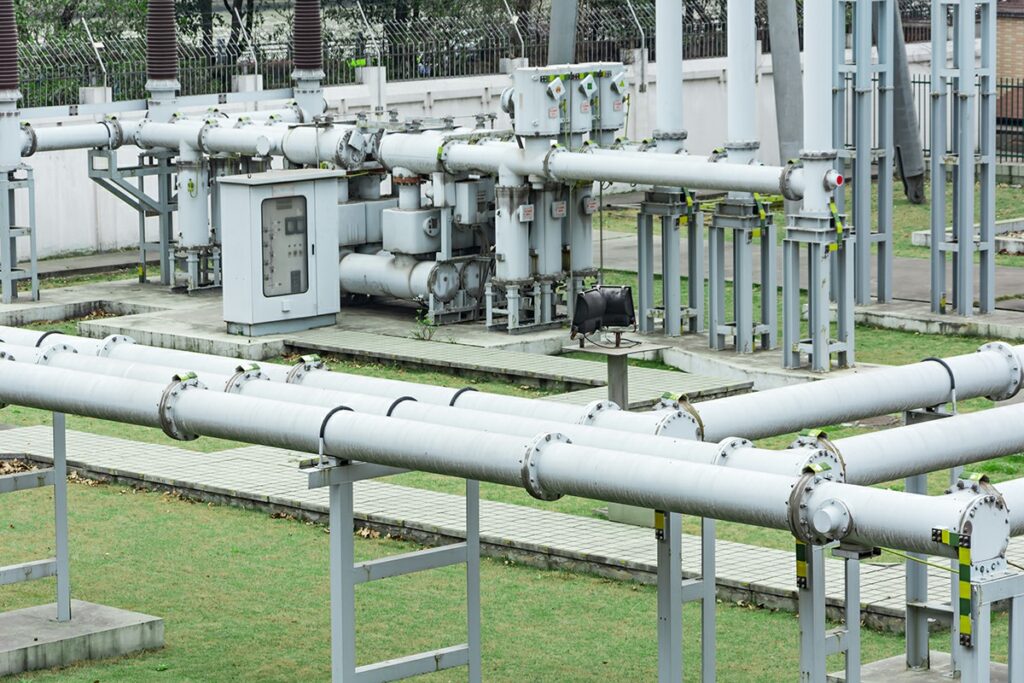
The infrastructure needed to produce and transport natural gas, especially pipelines, poses serious safety and environmental risks. Pipeline leaks or ruptures can cause deadly explosions and fires, threatening nearby communities. Maintaining this infrastructure is expensive and requires constant oversight.
Furthermore, storage facilities and compressor stations can also malfunction, releasing methane or other harmful pollutants. These risks necessitate strict regulatory compliance and safety protocols, which can increase operational costs and limit the feasibility of expanding natural gas networks in some areas.
4. Global Supply Chain and Geopolitics
While countries like the U.S. enjoy domestic abundance, others must import natural gas, creating energy security risks. Dependence on foreign gas can lead to geopolitical tensions and market vulnerabilities.
Conflicts in key exporting regions can disrupt supply and cause sharp price increases. Although natural gas is less geopolitically sensitive than oil, it is not immune to these dynamics. Countries without sufficient domestic production often need to diversify their energy sources to reduce this risk.
5. Long-Term Sustainability Concerns
Natural gas resources are non-renewable. While abundant now, it will eventually become more difficult and expensive to extract. This reality makes heavy reliance on natural gas problematic for long-term sustainability.
Overinvestment in gas infrastructure may delay or disincentivize the transition to renewable energy. Additionally, the “bridge fuel” argument suggests that gas is only a temporary solution. This underscores the need to develop cleaner, truly renewable alternatives like wind power, solar energy, and green hydrogen for a sustainable energy future.
6. Price Fluctuation Due to Weather
Natural gas prices are highly sensitive to weather patterns, which can lead to significant cost volatility. During extreme cold or heat, demand for heating or cooling spikes, driving up prices sharply. This unpredictability affects both residential consumers and businesses, especially during harsh winters or heat waves.
Additionally, unexpected seasonal shifts can disrupt supply-demand balances, leading to inflated electricity bills. While futures markets and storage systems aim to stabilize pricing, weather-related variability remains a persistent issue that complicates long-term energy planning and budgeting.