
Many countries still rely on coal to power homes and industries. It’s a low-cost fuel and helps support jobs. However, coal also increases carbon footprint, causes air pollution, and contributes to climate change. We will explain the main advantages and disadvantages of coal energy to help you understand its huge impact.
In this article:
7 Advantages of Coal
1. Easy to Find and Plenty Around
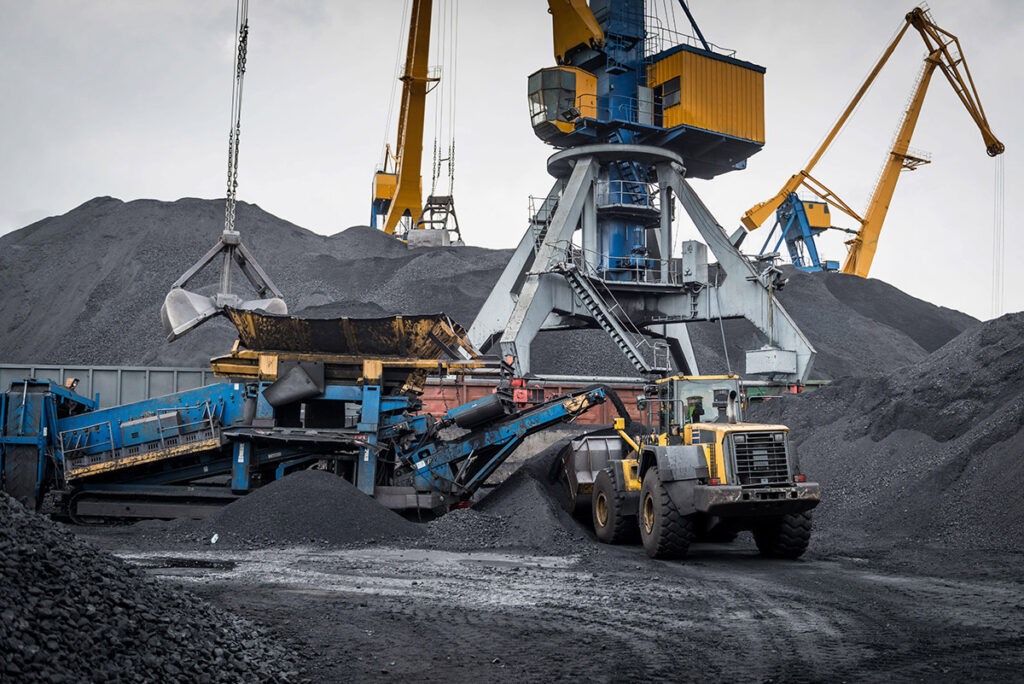
Coal is one of the most abundant energy sources on Earth. Countries like the United States, China, and Russia have large coal reserves that can last for over a hundred years if used at current rates.
Because coal is widely distributed across many regions, it reduces the need for international fuel imports. This makes coal a reliable and steady option for energy, especially in countries aiming for energy independence. Its availability also helps ensure stable pricing and fewer supply disruptions.
2. Costs Less Than Other Fuels
One of the main reasons coal is still widely used is because it is cheaper than other fossil fuels like oil and natural gas. Mining coal, especially surface mining, is often more cost-effective and less complex than drilling for oil or gas.
Also, coal-fired power plants have been around for decades, so the infrastructure needed is already in place, helping reduce costs. Because of this, many regions still depend on coal to provide low-cost electricity, particularly in developing countries.
3. Brings Jobs and Economic Support
Coal mining and related industries support thousands of jobs worldwide. From miners and engineers to truck drivers and plant workers, coal provides employment for a wide range of skill levels.
In many areas, especially rural ones, coal is a major driver of the local economy. Beyond direct jobs, coal also supports other businesses, such as transportation and manufacturing. These economic benefits make coal an important resource for many communities, even as cleaner alternatives are explored.
4. Can Be Used in Different Ways
This source of energy isn’t just used for making electricity; it can also be turned into synthetic fuels like diesel, gasoline, or natural gas through a process called coal liquefaction. This flexibility makes coal valuable for different sectors, including industry and transportation.
In fact, coal by-products like coal tar are used to produce chemicals such as phenol and naphthalene, which are found in everyday items like medicines, plastics, and cleaners. This ability to serve many purposes gives coal an edge in energy versatility.
5. Works in All Weather
Unlike solar or wind power, which depend on the weather, coal power plants can run day and night in any season. This makes coal a dependable source of fuel for base load power, meaning the constant supply of electricity needed to keep homes, hospitals, and industries running.
As coal can be stored on-site in large amounts, power stations can continue producing energy even when there are fuel supply delays or natural disasters. This makes coal especially important during emergencies.
6. Packs a Lot of Energy
Coal has a high energy density, which means it can produce a large amount of energy per kilogram compared to many renewable sources. This means coal needs less space for storage and transport, and it’s more efficient in terms of the energy it can deliver.
With its high heat output, coal is especially useful in industries like steel and cement production, which require intense heat. This energy strength is one reason coal has remained a popular fuel choice for decades.
7. Strong Support System Already Built
Because coal has been used for over a century, a well-developed infrastructure is already in place to mine, transport, and burn it. Rail lines, shipping systems, and power stations are already designed to work with coal.
This means there’s no need for massive new investments to keep using coal, unlike newer energy sources that may require new technology or storage methods. This convenience makes coal attractive for countries that want to avoid major changes to their existing energy systems.
7. Disadvantages of Coal
1. Hurts the Environment
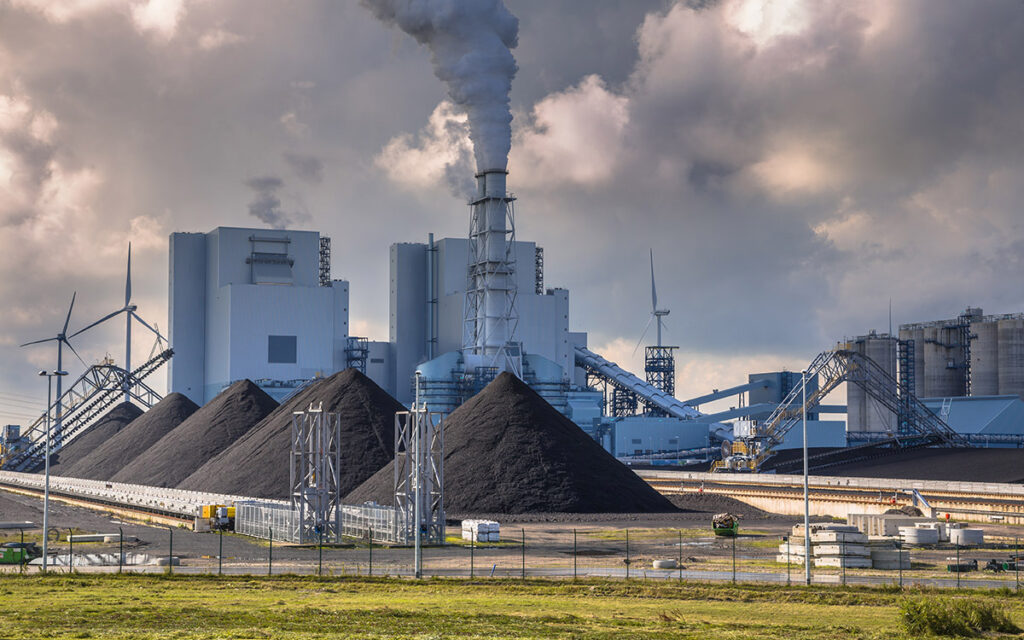
Burning coal releases a large amount of carbon dioxide, a greenhouse gas that traps heat in the atmosphere and contributes to climate change. According to the United States Environmental Protection Agency, the use of coal gave off a whopping 55% of greenhouse gas emissions in the US in 2022, while coal energy only contributed 20% to the country’s electricity in the same year.
It also emits other harmful gases like sulfur dioxide and nitrogen oxides, which can lead to acid rain and damage crops, water, and buildings. The negative impact doesn’t end there. Coal combustion leaves behind toxic ash, and if not managed properly, it can contaminate land and water. These emissions make coal one of the dirtiest energy sources.
2. Bad for People’s Health
Coal pollution doesn’t just affect nature; it also harms people. Coal burning releases tiny particles and dangerous chemicals like mercury and arsenic into the air. These pollutants can increase serious health risks such as asthma, heart disease, and even cancer.
Communities living near coal plants or mines often suffer the most, with higher rates of respiratory illness and other long-term health issues. Despite improvements in air pollution control, not all plants meet clean air standards.
3. Destroys Nature and Animal Homes
Coal mining, especially surface mining like mountaintop removal, can completely change landscapes. It destroys forests, damages rivers, and ruins animal habitats. When mountaintops are blasted away to reach coal, the debris is often dumped into nearby valleys, burying streams and wiping out ecosystems.
Wildlife is displaced, and recovery can take decades if it happens at all. Even after mining ends, the land may never return to its original state. This destruction makes coal one of the most environmentally harmful energy sources.
4. Uses a Lot of Water
Producing energy from coal uses an enormous amount of water. Mining coal and running coal power plants both require water for cooling, cleaning, and steam generation. In some cases, coal operations use up to hundreds of gallons of water per ton of coal.
This high water usage puts extra stress on local water supplies, especially in dry regions. Also, wastewater from coal plants often contains pollutants that can seep into rivers and lakes, threatening both wildlife and human health.
5. Leaves Behind a Lot of Waste
Coal power plants create huge amounts of solid waste, such as fly ash and bottom ash. In the US alone, coal plants generate over 100 million tons of waste each year, according to the Union of Concerned Scientists. While some of this waste is recycled into building materials, much of it ends up in landfills or storage ponds.
These sites can leak toxins into the soil and water. Past disasters, like the coal ash spill in Tennessee, show how dangerous and damaging this waste can be when containment fails.
6. Dangerous Work for Miners
Coal mining is one of the most hazardous jobs in the world. Miners face daily risks like tunnel collapses, gas explosions, and dangerous machinery. Long-term exposure to coal dust also causes black lung disease, a serious and often fatal lung condition.
Even with modern safety equipment, miners are still at high risk for injury and illness. These dangers make working in coal mines a serious concern and a major downside of relying on coal for energy.
7. Adds to Noise and Dust Pollution
Coal mining and transport operations are noisy and create a lot of dust. Big machines used to dig and move coal produce constant loud sounds that can disturb both workers and nearby residents.
Dust from mining and loading coal can blow into surrounding communities, causing respiratory issues and lowering air quality. These problems often go unaddressed, especially in remote or economically dependent areas. The noise and dust may not get as much attention as other issues, but they still affect quality of life.
Are There Any Advanced Technologies To Make Coal Cleaner?
Yes, some advanced technologies have contributed to making coal a cleaner source of energy. For example, clean coal technologies include coal washing, electrostatic precipitators, fabric filters, flue gas desulfurization, low-NOx burners, and advanced systems like IGCC and PFBC. Carbon capture and storage (CCS) is also in development, though it remains costly and energy-intensive.
More Sustainable Alternative Energy Sources To Coal
Here are the most common and effective alternatives to coal that are better for the environment and human health:
- Solar energy: Solar panels absorb sunlight and transform it into electricity without pollution. It’s a quiet and renewable energy source, and it’s getting cheaper every year. Solar is ideal for homes, businesses, and even large-scale power plants.
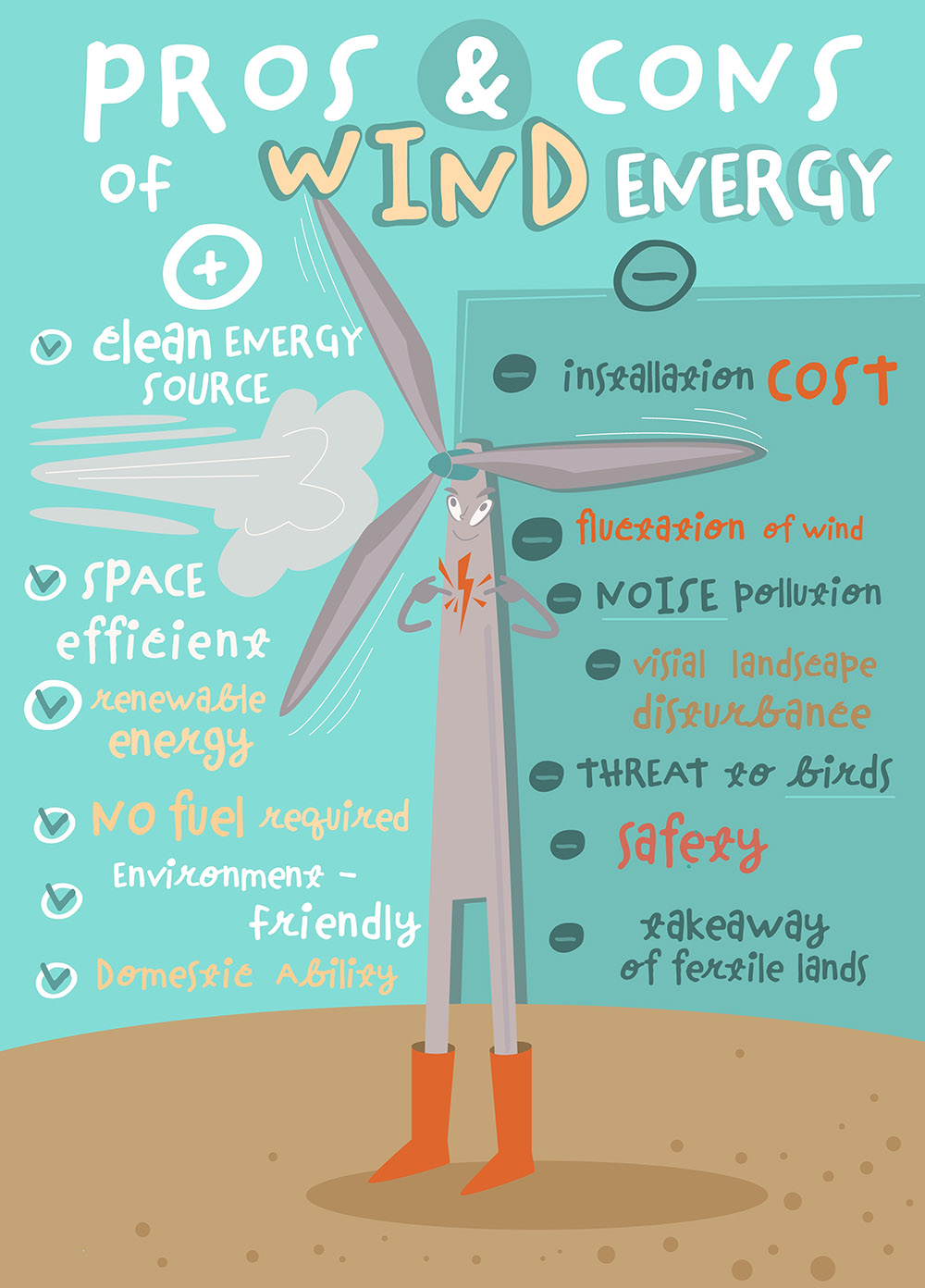
- Wind energy: Energy from the wind will be collected by wind turbines and turned into electricity. Like solar, wind is clean and has an abundant supply. It works best in windy areas and produces no greenhouse gases.
- Hydropower: Hydropower uses moving water, usually from rivers or dams, to generate electricity. It’s a reliable, renewable source that can provide steady power, though large dams can affect ecosystems.
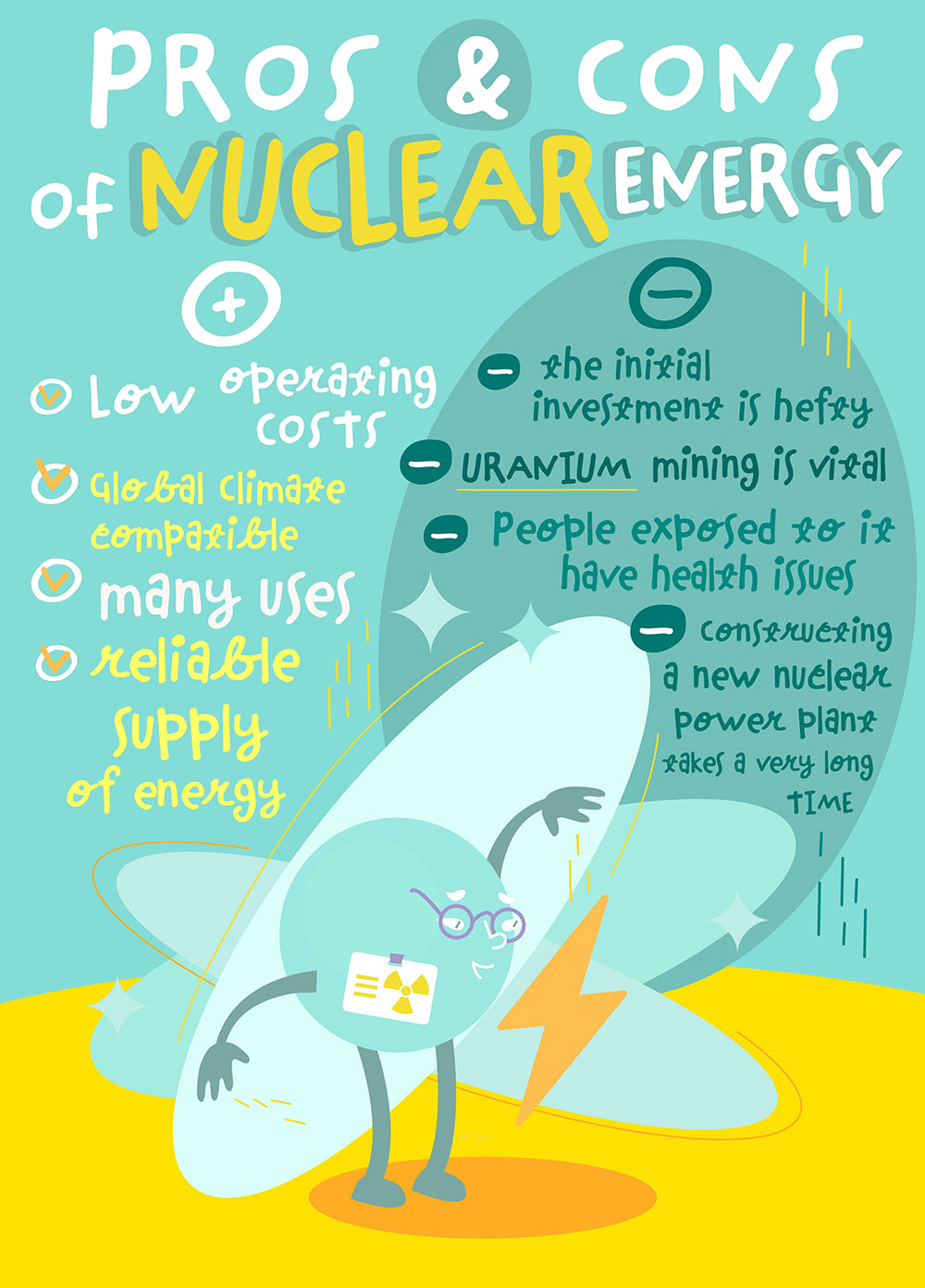
- Nuclear energy: Nuclear power creates electricity through controlled reactions without releasing carbon dioxide. It produces a lot of energy with minimal emissions, but it comes with concerns about safety and radioactive waste.
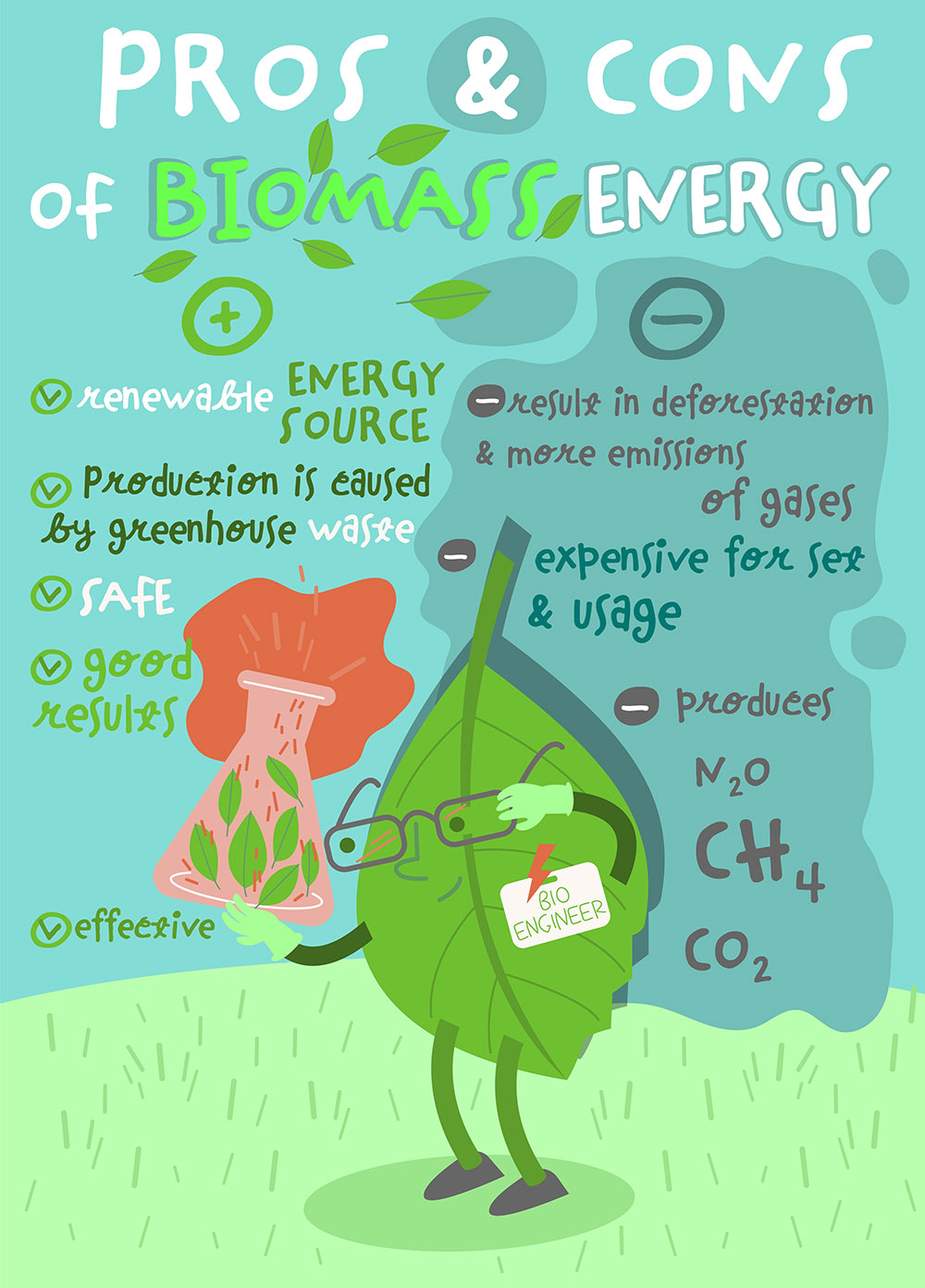
- Biomass energy: Biomass uses organic materials like wood waste, crops, or even manure to produce energy. If sourced sustainably, it can be carbon-neutral since plants absorb CO2 as they grow.
Natural gas: While not fully renewable, natural gas burns cleaner than coal and emits less CO2. It’s often used as a “bridge fuel” while countries shift to fully renewable energy systems.