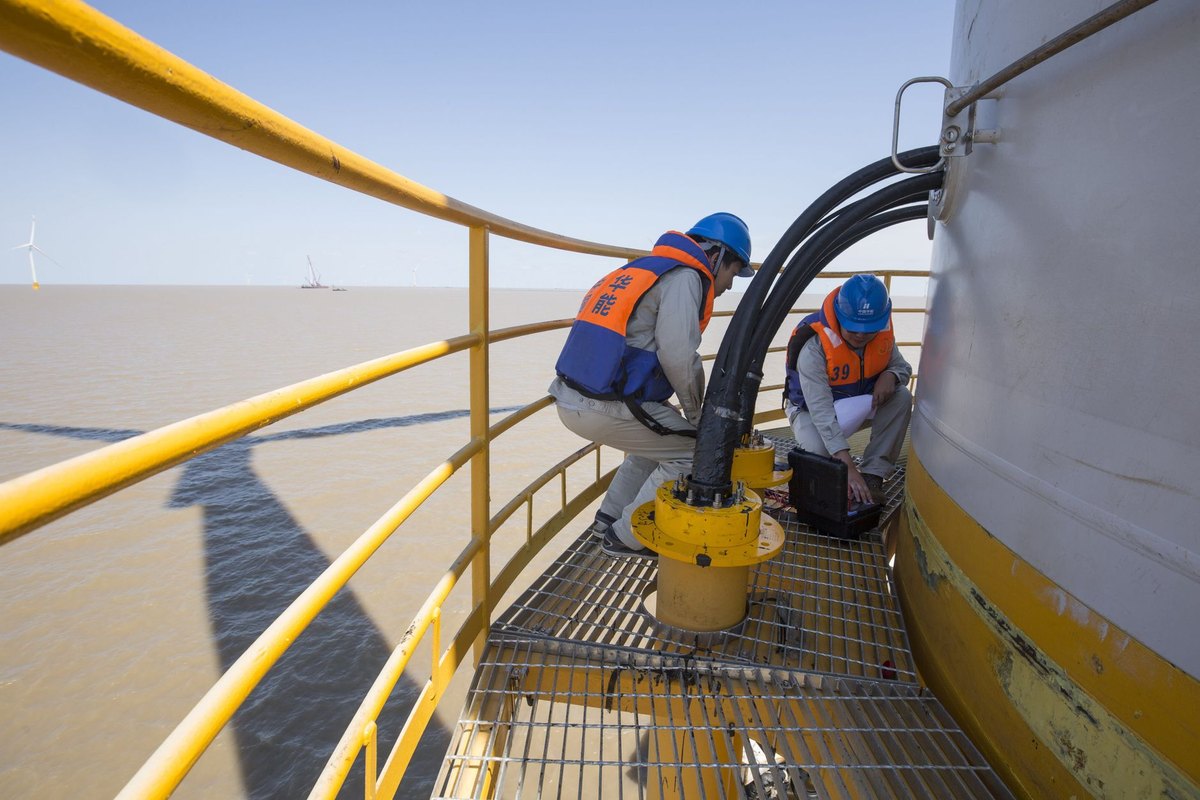


Renewable energy is becoming an essential part of the global energy landscape as businesses, governments, and communities work toward a more sustainable future. Solar panels, wind turbines, hydropower systems, and other clean energy technologies are helping reduce dependence on fossil fuels.
However, managing these energy sources efficiently requires more than installing modern equipment. Energy providers must collect, process, and analyze large amounts of data to make informed decisions, improve performance, and maintain reliable power supplies.
Data engineering is playing a significant role in this transformation. By building reliable systems for collecting, organizing, and processing energy-related information, organizations can better understand their operations and respond to changing conditions.
Businesses investing in energy data platform development services can establish the data infrastructure needed to monitor renewable energy production, forecast demand, optimize resources, and support long-term sustainability goals.
In This Article:
1. Improving Renewable Energy Forecasting
One of the biggest challenges in renewable energy management is the unpredictable nature of energy production. Solar power depends on sunlight, while wind turbines rely on changing wind conditions. Weather variations can significantly affect how much electricity renewable energy systems generate throughout the day.
Data engineering helps address this challenge by combining information from weather forecasts, historical production records, environmental sensors, and energy consumption systems. These data sources can be processed and prepared for analytical models that estimate future energy generation.
For example, a solar energy company can use historical sunlight measurements and current weather data to estimate how much electricity its solar farms will produce during the next 24 hours. Wind energy operators can apply similar methods to anticipate changes in wind speed and adjust their operational plans.
More accurate forecasting helps energy providers balance electricity supply with demand. It also reduces uncertainty, improves resource planning, and supports more reliable renewable energy operations.
2. Integrating Data From Multiple Energy Sources
Renewable energy systems often rely on equipment and technologies from different manufacturers. Solar installations, wind farms, battery storage systems, smart meters, and electricity grids may all generate data in different formats.
Without a reliable integration strategy, organizations can struggle to combine this information into a consistent view of their operations.
Data engineering creates pipelines that collect information from different systems, standardize formats, validate records, and make the resulting data accessible to authorized users and analytical applications. This unified approach allows energy managers to evaluate the performance of multiple assets without manually reviewing separate systems.
Consider a company operating solar farms across several regions. Each location may use different monitoring equipment and reporting software. A centralized data infrastructure can bring the information together, allowing managers to compare energy output, identify performance differences, and make better decisions about maintenance and investment.
Effective data integration also helps organizations scale their renewable energy operations as they add new facilities, equipment, and technologies.
3. Enabling Real-Time Energy Monitoring
Timely information is essential for managing renewable energy systems effectively. Delays in identifying equipment failures, sudden production changes, or unusual energy consumption can lead to financial losses and operational disruptions.
Modern data engineering systems can process incoming information from sensors, smart meters, inverters, and grid monitoring devices. Depending on the infrastructure, data can be processed continuously or at frequent intervals, giving operators a more current understanding of system performance.
Real-time monitoring can help energy managers:
- Detect unexpected changes in electricity generation.
- Identify abnormal equipment behavior.
- Monitor energy consumption across facilities.
- Track battery charging and discharging activity.
- Respond more quickly to operational issues.
For instance, if a solar inverter begins producing less electricity than expected, monitoring systems can flag the unusual pattern for investigation. Maintenance teams can then determine whether the issue is caused by equipment degradation, environmental conditions, or another technical problem.
Although data processing alone does not resolve every operational issue, it provides the information needed for faster and more informed responses.
4. Supporting Predictive Maintenance
Equipment maintenance is another area where data engineering is making a meaningful difference. Renewable energy installations depend on machinery and electrical components that require regular inspection and servicing. Unexpected failures can interrupt production, increase repair expenses, and reduce the overall efficiency of an installation.
Traditional maintenance approaches often rely on fixed schedules or inspections conducted after a problem becomes noticeable. Predictive maintenance uses historical and current operational data to identify warning signs before equipment failure occurs.
Data engineering supports this approach by collecting and preparing information such as temperature readings, vibration measurements, power output, operating hours, and maintenance records. Once organized, this data can be analyzed using statistical techniques and machine learning models to detect patterns associated with equipment deterioration.
For example, wind turbine operators may analyze vibration data to identify unusual mechanical behavior. Solar energy companies can examine inverter performance and temperature trends to detect possible faults.
By identifying potential problems earlier, organizations can schedule maintenance more strategically, reduce unnecessary inspections, and limit unplanned downtime. The effectiveness of these methods depends on data quality, sensor coverage, and the accuracy of the analytical models being used.
5. Optimizing Energy Storage and Distribution
Energy storage is essential for addressing the intermittent nature of many renewable energy sources. Batteries can store surplus electricity generated during periods of high production and release it when demand rises or renewable generation decreases.
However, effective storage management requires accurate information about electricity generation, consumption patterns, battery conditions, and grid requirements.
Data engineering connects these information sources and prepares them for energy management applications. By making reliable data available, organizations can develop systems that help determine when batteries should charge, discharge, or preserve their remaining capacity.
For example, a facility with solar panels and battery storage may generate more electricity than it needs during the afternoon. A data-driven energy management system can evaluate consumption forecasts and storage conditions to help determine whether the surplus should be stored for evening use.
At a larger scale, utilities can use integrated energy data to coordinate renewable generation, storage resources, and electricity demand. These capabilities can improve flexibility and help reduce the need for less efficient backup generation.
6. Improving Energy Demand Forecasting
Understanding electricity demand is just as important as predicting energy production. Businesses, households, and industrial facilities consume different amounts of electricity depending on weather conditions, working hours, seasonal patterns, and other factors.
Data engineering enables organizations to combine smart meter readings, historical consumption records, occupancy information, and relevant external data into consistent datasets. These datasets can support forecasting models that estimate future electricity requirements.
Accurate demand forecasts help utilities plan generation schedules, manage grid capacity, and allocate resources more efficiently. Businesses can also use consumption analytics to identify periods of unnecessary energy use and adjust their operating practices.
For example, a manufacturing facility may discover that certain machines consume significant amounts of electricity during periods of low production. By analyzing energy usage alongside operational schedules, managers can identify opportunities to reduce waste without affecting productivity.
When demand forecasting is combined with renewable energy forecasting, organizations gain a clearer understanding of when electricity will be available and when it will be needed.
7. Strengthening Data Quality and Governance
Renewable energy management depends on trustworthy information. Inaccurate sensor readings, missing records, inconsistent timestamps, and duplicated data can produce misleading reports and unreliable forecasts.
Data engineering addresses these problems through structured data validation, standardization, monitoring,
Important practices include:
- Validating incoming data against defined quality rules.
- Identifying missing values and unusual readings.
- Standardizing measurement units and timestamps.
- Maintaining clear records of data transformations.
- Establishing access controls for sensitive operational information.
- Monitoring data pipelines for failures and delays.
Strong governance also helps organizations understand where their data comes from and how it is being used. This is particularly important when energy companies combine information from different facilities, equipment suppliers, service providers, and grid operators.
Reliable data provides the foundation for more accurate performance reporting, operational planning, and sustainability assessments.
8. Supporting Sustainability Reporting and Compliance
Organizations increasingly need to demonstrate their environmental performance to investors, customers, regulators, and other stakeholders. Renewable energy companies must often report information about electricity generation, energy consumption, emissions, and operational efficiency.
Preparing these reports can be complicated when information is distributed across spreadsheets, monitoring systems, financial applications, and separate reporting tools.
Data engineering simplifies this process by creating repeatable pipelines that collect, validate, and consolidate relevant information. Once the data is organized, reporting systems can generate consistent performance metrics and support more transparent analysis.
For example, a business operating multiple renewable energy facilities can combine production records and consumption data to evaluate how its operations are changing over time. Organizations can also use well-managed datasets to support emissions calculations, provided they apply appropriate emission factors, reporting boundaries, and accounting methodologies.
Automated reporting reduces manual work and makes it easier to identify inconsistencies before reports are finalized. It also helps organizations maintain more reliable historical records for audits and sustainability reviews.
9. Reducing Operational Costs Through Data-Driven Decisions
Cost efficiency remains an important consideration for renewable energy projects. Expenses can arise from equipment maintenance, inefficient production, energy losses, unnecessary site visits, and poorly coordinated operations.
Data engineering helps organizations understand these costs by bringing operational and financial information together. Managers can compare maintenance expenses, energy output, equipment availability, and production performance to identify areas where improvements may be possible.
For instance, performance data may reveal that a particular solar installation consistently generates less electricity than comparable facilities. Further investigation could identify dirty panels, shading, equipment problems, or differences in local weather conditions.
Similarly, energy consumption analysis can help commercial buildings reduce unnecessary electricity use during periods of low occupancy.
The value of these insights depends on how organizations act on them. Data engineering provides the infrastructure for reliable analysis, while operational expertise helps turn the findings into practical improvements.
10. Preparing Renewable Energy Systems for Artificial Intelligence
Artificial intelligence is creating new opportunities for renewable energy management, including advanced forecasting, automated anomaly detection, and optimized resource allocation. However, AI applications require data that is accessible, consistent, sufficiently detailed, and relevant to the problem being addressed.
Data engineering prepares this foundation by building pipelines that move information from operational systems into analytical environments. It also supports the ongoing delivery of updated datasets needed to train, evaluate, and operate machine learning models.
For example, an AI model designed to forecast solar power production may require historical weather observations, sunlight measurements, equipment specifications, and generation records. Data pipelines can organize these inputs and ensure that the model receives information in a consistent format.
Organizations can also use data engineering practices to monitor data drift, detect pipeline failures, and maintain the quality of information used by analytical applications.
AI does not automatically guarantee better performance. Models must be tested against real operating conditions, monitored over time, and evaluated for accuracy. A dependable data infrastructure makes these processes easier to manage and scale.
Challenges in Implementing Data Engineering for Renewable Energy
Despite its benefits, implementing data engineering across renewable energy operations involves several challenges.
Legacy infrastructure: Older equipment may use outdated communication protocols or lack the interfaces needed for easy integration. Organizations may need gateways, adapters, or equipment upgrades to collect reliable data.
High data volumes: Large wind and solar installations can generate substantial amounts of sensor and operational information. Systems must be designed to process and store this data efficiently without creating unnecessary costs.
Data security: Connected energy infrastructure can introduce cybersecurity risks. Strong authentication, access controls, encryption, network segmentation, and monitoring are important components of a secure architecture.
Inconsistent data formats: Information from different manufacturers may use different measurement units, naming conventions, and reporting intervals. Standardization is essential for meaningful comparisons.
Skills and investment: Building and maintaining data pipelines requires technical expertise, suitable infrastructure, and ongoing support. Organizations should prioritize projects according to their operational needs and expected value.
Addressing these challenges requires a clear strategy that considers existing systems, data requirements, security obligations, and long-term business objectives.
The Future of Data Engineering in Renewable Energy Management
The role of data engineering will continue to grow as renewable energy systems become more connected and distributed. Smart grids, electric vehicles, battery storage, distributed solar installations, and virtual power plants will generate additional information that must be coordinated across increasingly complex energy networks.
Future data platforms are likely to combine cloud computing, edge processing, streaming analytics, and AI-driven applications. Edge processing can support faster decisions close to energy equipment, while cloud infrastructure can provide scalable storage and broader analysis across multiple facilities.
Interoperability will also become increasingly important. Energy providers will need reliable ways to exchange information between equipment, applications, grid operators, and other stakeholders while maintaining appropriate security and governance controls.
As these technologies develop, organizations that invest in dependable data infrastructure will be better positioned to evaluate performance, integrate new energy resources, and respond to changing operational requirements.
Conclusion
Data engineering is transforming renewable energy management by making energy information more accessible, reliable, and useful. From forecasting renewable generation and monitoring equipment to optimizing storage, predicting maintenance needs, and improving sustainability reporting, data infrastructure supports smarter decisions throughout the energy lifecycle.
Although implementation requires careful planning, investment, and attention to data quality and security, the long-term opportunities are significant. By building integrated data systems and combining them with appropriate analytical tools, renewable energy organizations can improve operational visibility, manage resources more effectively, and support a more reliable and sustainable energy future.