
Every battery choice has an environmental impact. By choosing rechargeable batteries instead of disposable ones, you can help reduce waste, extend product use, and support a more sustainable energy future.
This guide explains how rechargeable battery technologies, including NiMH batteries, contribute to waste reduction, resource efficiency, and long-term environmental protection.
In This Article:
The Growing Environmental Challenge of Disposable Batteries
Disposable batteries are convenient, but their environmental cost is easy to overlook. They are used in remote controls, toys, flashlights, clocks, and many everyday devices. Once drained, most of them are thrown away, adding more material to household waste streams.
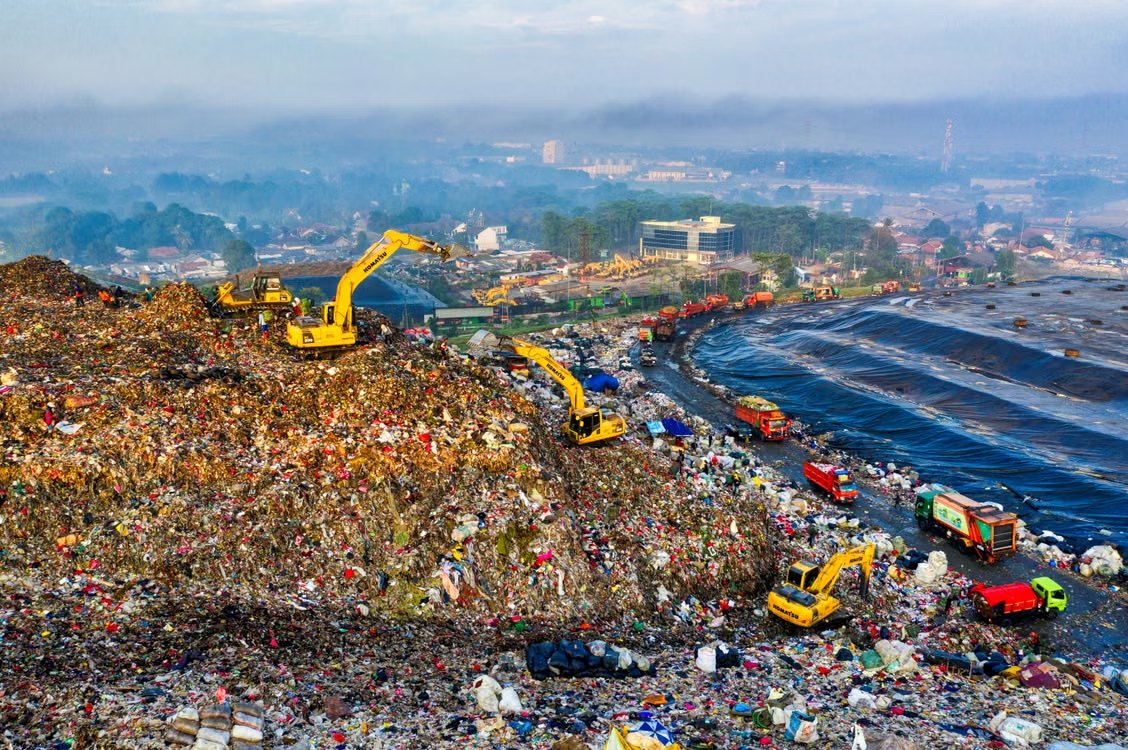
The problem is not only the battery cell itself. Disposable batteries may contain metals, plastic wrapping, chemical materials, and packaging that are difficult to recover efficiently. When batteries are not collected or recycled properly, they may contribute to landfill pressure and potential soil or water contamination.
This is why battery choice matters. A single disposable battery may seem small, but millions of short-use batteries create a much larger waste management challenge. Choosing rechargeable alternatives is one practical way to reduce repeated disposal and support cleaner resource use.
How Rechargeable Batteries Reduce Waste Generation
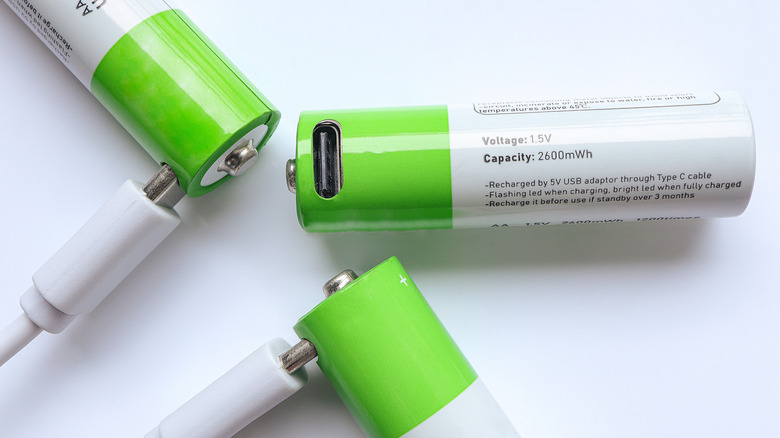
Rechargeable batteries help reduce waste because they are designed for repeated use. Instead of replacing a battery after one discharge cycle, you can recharge it many times before it reaches the end of its service life. This simple reuse model reduces the number of batteries entering landfills.
Common rechargeable options include NiMH batteries, lithium-ion batteries, and other reusable energy storage technologies. Each chemistry has different strengths, but they all share one important environmental advantage: they can deliver power again and again instead of becoming waste after a single use.
As rechargeable battery technology continues to improve, consumers and businesses now have more sustainable choices for everyday power needs. For more information about modern battery types and practical rechargeable solutions, you can explore rechargeable battery technologies from GMCELL.
The Long-Term Environmental Benefits of Reuse
Reuse is one of the simplest ways to reduce environmental pressure. A disposable battery is used once and then becomes waste, while a rechargeable battery can be used again and again before it reaches the end of its service life. This repeated use helps reduce the number of batteries entering landfills, recycling systems, and household waste streams.
When fewer batteries are thrown away, fewer raw materials are needed to replace them. This can help lower the environmental impact linked to mining, manufacturing, packaging, transportation, and disposal. For everyday users, choosing rechargeable batteries is a practical step toward reducing waste without changing how common devices are used.
Rechargeable batteries also help limit the release of harmful substances when they are properly collected and recycled. Over time, this supports cleaner soil, safer water systems, and a smaller carbon footprint compared with repeatedly buying and discarding single-use batteries.
Rechargeable Battery Technologies Are Continuously Improving
Modern rechargeable battery technologies are becoming more efficient, durable, and accessible. Improvements in materials, charging methods, and battery design have helped extend cycle life, improve energy performance, and make rechargeable options suitable for more everyday applications.
Different rechargeable chemistries serve different needs. Lithium-ion batteries are widely used in mobile electronics and energy storage systems, while nickel-metal hydride batteries remain useful in many household, lighting, toy, remote control, and small device applications. This variety allows users to choose a battery type that better matches performance needs and environmental goals.
As battery technology continues to improve, rechargeable batteries can play a larger role in reducing waste and supporting cleaner energy habits. Better cycle life means fewer replacements, and better charging efficiency means less energy is lost during everyday use.
Why NiMH Batteries Remain an Environmentally Friendly Choice
Nickel-metal hydride batteries, often called NiMH batteries, remain an important rechargeable option because they combine practical performance with reusable design. They are commonly used in consumer electronics, lighting products, toys, personal care devices, remote controls, and other everyday products where safe and repeatable power is needed.
From an environmental perspective, NiMH batteries are valuable because they can be recharged many times before replacement. This helps reduce the total number of batteries consumed over a product’s lifetime. Their stable performance and long service life also make them suitable for users who want a practical alternative to disposable alkaline batteries.
In small-scale renewable energy devices and low-power electronics, NiMH batteries can support more sustainable use patterns by reducing frequent battery replacement. Detailed specifications and advantages of NiMH batteries can be found on our NiMH batteries page.
Supporting Sustainable Development Through Smarter Energy Choices
Sustainable development is not only about large renewable energy projects. It also depends on everyday choices that reduce waste, save resources, and make products last longer. Choosing rechargeable batteries is one simple way to support this shift.
When you reuse the same battery many times, fewer disposable cells enter household waste streams. This helps reduce landfill pressure, lowers the need for repeated raw material extraction, and supports a more responsible approach to energy use.
For individuals, rechargeable batteries can make daily devices more sustainable. For businesses, they can support greener procurement, waste reduction targets, and long-term environmental responsibility. Small energy choices become more meaningful when they are repeated across millions of devices.
Conclusion
Rechargeable batteries offer a practical way to reduce battery waste and support more sustainable energy habits. By using the same battery many times instead of replacing disposable cells after a single use, individuals and businesses can help lower waste generation and make better use of valuable materials.
NiMH batteries are a useful example of this shift. They are widely used in everyday devices, offer reliable rechargeability, and help reduce dependence on single-use batteries. For readers who want to better understand rechargeable battery options, GMCELL provides battery knowledge and product information, including a dedicated guide to NiMH batteries.
Choosing rechargeable batteries will not solve every environmental challenge on its own, but it is a clear and realistic step toward waste reduction, resource efficiency, and long-term sustainable development.
Frequently Asked Questions
Q: Are rechargeable batteries better for the environment?
In most cases, yes. Rechargeable batteries can be used hundreds of times, reducing the number of batteries that enter waste streams and lowering the demand for raw materials.
Q: How do rechargeable batteries reduce waste?
Because a single rechargeable battery can replace many disposable batteries during its lifetime, fewer batteries need to be manufactured, transported, and discarded.
Q: Can rechargeable batteries be recycled?
Yes. Many rechargeable batteries can be collected through battery recycling programs, helping recover valuable materials and reducing environmental impact.
Q: What makes NiMH batteries environmentally friendly?
NiMH batteries can be recharged many times and are commonly considered a practical alternative to disposable batteries for everyday electronic devices.
Q: Do rechargeable batteries help reduce carbon emissions?
They can contribute to lower overall emissions because fewer batteries need to be produced and transported throughout their usable lifespan.
Q: Are rechargeable batteries more sustainable than disposable batteries?
For most long-term applications, rechargeable batteries are generally considered a more sustainable choice because they reduce waste and maximize resource use.
Q: Why are disposable batteries a waste management concern?
Billions of disposable batteries are discarded every year. Improper disposal can increase landfill waste and complicate recycling efforts.
Q: How can consumers make more sustainable battery choices?
Choosing rechargeable batteries, using them for their full lifespan, and participating in local recycling programs are effective ways to reduce environmental impact.