

Whenever you consider renewable energy, what will strike your mind first will be solar panels and wind turbines. However, there is one competitor that is quietly transforming the communities in the world in a big way: small-scale bioenergy systems.
These systems transform organic waste, all agricultural waste, all food scraps into useful energy. They are especially useful to rural, farmland, and small town waste management and generation of power that can change the lives of people in these communities.
In this article:
Understanding the Risks
With any energy-generating system, there will be risks attached to it. We are discussing heat, pressure, combustible gases, electrical currents processes. When these systems do not work, the effects may vary between inefficiencies that may be minor and safety risks that may be severe.
So here is where the point of view of the faithful electronics comes into the picture, they are the silent insurers that make everything go in a good and safe way.
Why Electronics Matter More Than You’d Think
Small-scale bioenergy systems are not merely set-and-forget types of machines. They are complicated processes that must be under continuous observation and modification.
- Temperature must remain in certain limits.
- Gas pressures should be regulated.
- Electrical outputs should be adjusted.
Any of these variables may easily get out of control without proper electronic control. Think of it like driving a car. You will not want your speedometer to read you the wrong or your brake system to possess defective sensors. This principle applies to the same case with the only difference that the stakes are the safety and the energy supply of an entire community. In case of electronics breakdown in a bioenergy system, operators lose their visual access to what goes on inside the equipment. They are literally flying without sight, and at this point accidents take place.
The Core Safety Functions That Depend on Electronics
Let us examine the individual how electronics make these systems safe.
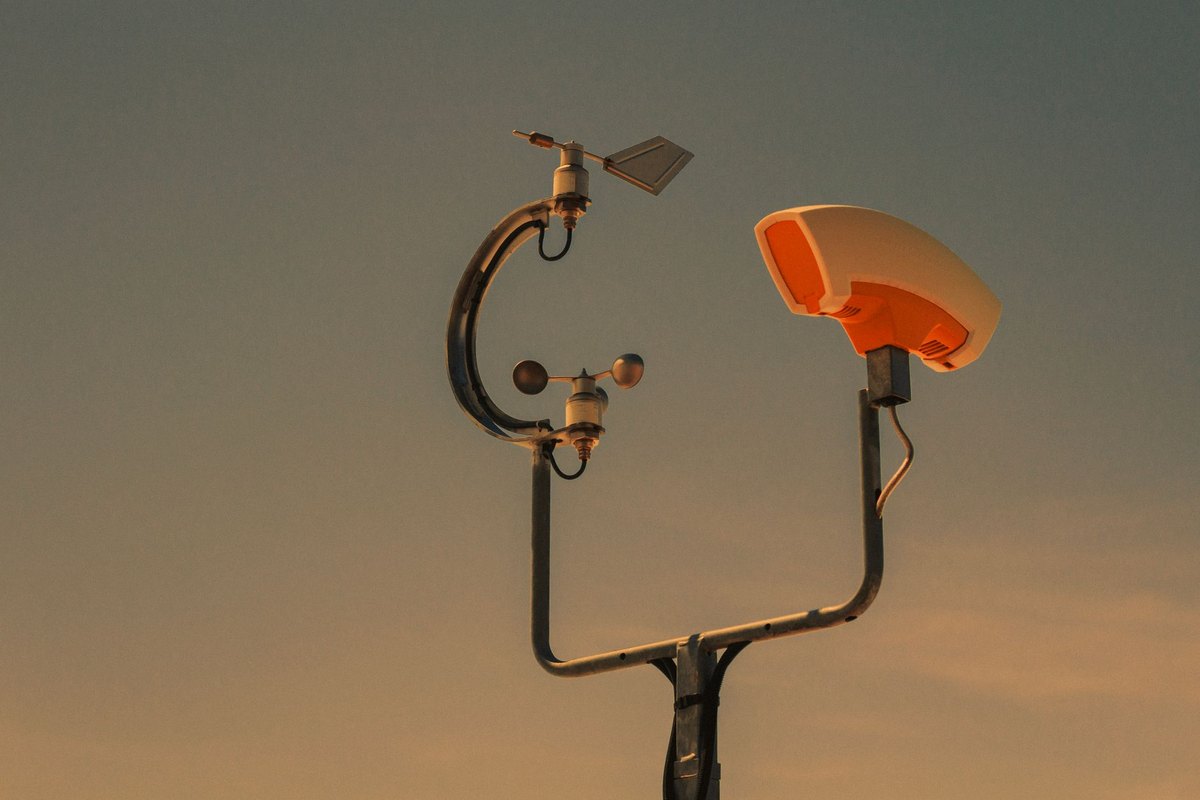
Temperature Monitoring
To begin with is temperature monitoring. The generation of bioenergy, in particular, anaerobic digestion depends on the ability of bacteria to decompose organic matter at specific temperatures.
- Too cold: The process stops.
- Excessively hot: Your chances of causing unsafe pressure accumulations or even fire are high.
These temperatures are monitored by quality sensors and control boards and automatically activated to lead to cooling or heating responses.
Gas Detection
Another crucial area is gas detection. Methane is present in biogas and it is not only useful as a source of fuel, but it can also be explosive in case of leakages. Electronic sensors which are reliable cause alarms and automatic shut off of gas pipes even on the smallest level of gas penetration in places it should not be before a more dangerous situation arises. Operators who have had the systems report minor leaks that they could not smell or detect, and then without the electronic intervention, they might have turned into major problems.
Pressure Management
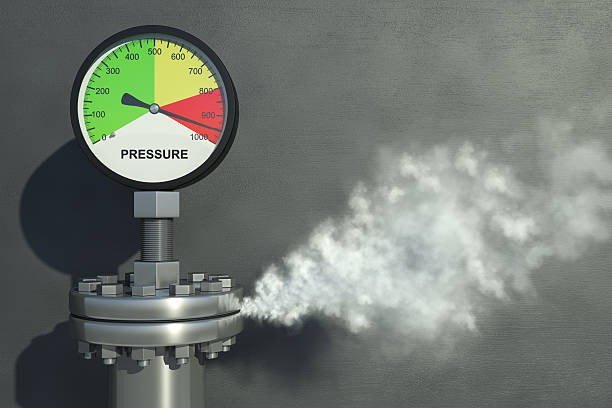
Next, there is the management of pressure. During the process of biogas generation, it causes pressure in digesters and storage tanks. Relief valves and electronic pressure sensors have been used to ensure safe levels. In case the pressure becomes excessive, the system will automatically open or modify the production. Simple hand watching can never be as responsive as a properly designed electronic controls.
The Hidden Complexity: Integration and Communication
Small bioenergy systems nowadays do not work using independent parts—everything must communicate with everything. It is at this point that a good PCB assembly solution will be important.
These systems have their printed circuit boards which operate these machines and which are basically the nervous system of the whole operation, comprising:
- Sensors
- Actuators
- Valves
- Monitoring gear in real time
The poorly-assembled PCB may be fine during the early stages of its usage but may fail later on due to loosely-fit connections, poor soldering, or the inability of the components to withstand the environmental conditions of a farm or garbage processing plant. These are not climate controlled server rooms that we are speaking of. Bioenergy systems encounter moisture, temperature fluctuations, dust and occasionally corrosive gases. It should be sturdy enough electronics that will be able to endure such circumstances day, year after year.
Once the PCBs are assembled well with the consideration of the quality of the components and effectiveness against environmental factors, they give all the safety systems a stable platform to operate effectively. Otherwise there are intermittent failures, false readings and the sort of unpredictability that renders any energy system unsafe.
Connecting It All Together
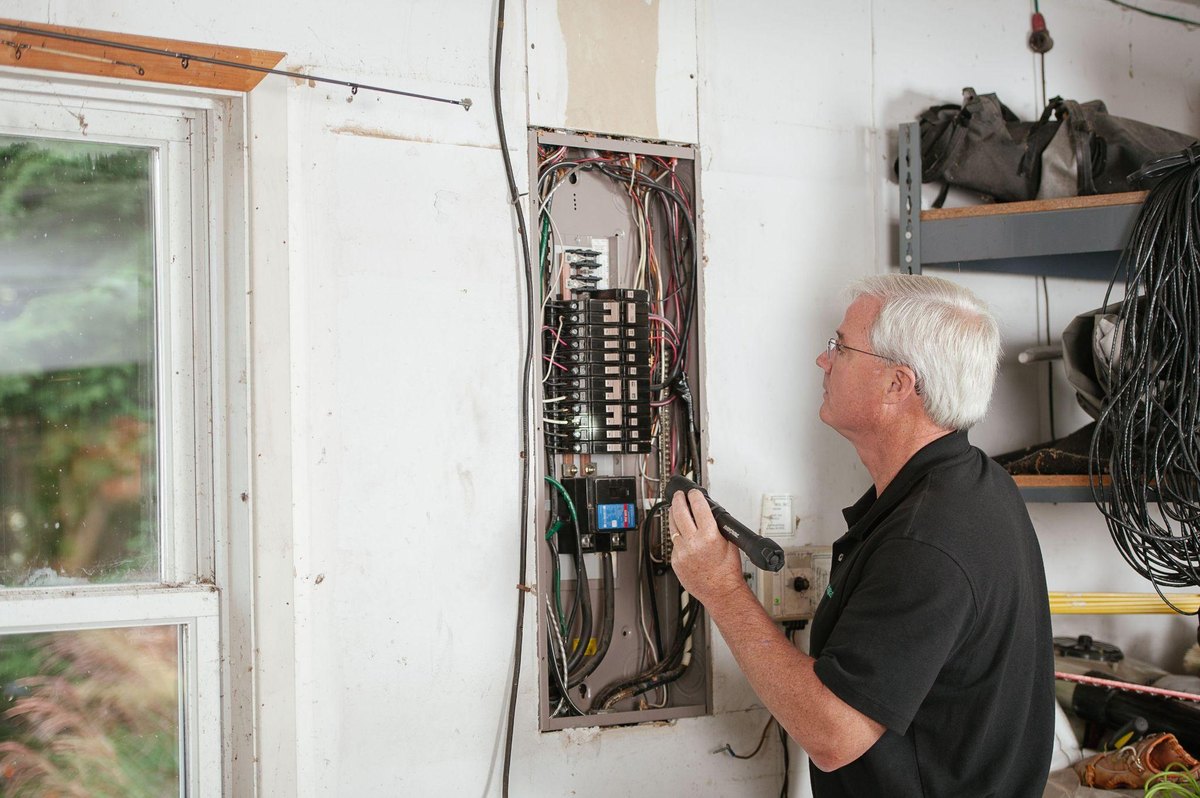
Of the same importance as the control boards is the connection of all the various components. It is at this point that wiring harness solutions become remarkably crucial in system safety. A wiring harness is simply a structured component of wires, connectors and terminals which carry power and signals throughout the system.
A bioenergy system may include dozens of sensors, motors, valves, and control panels, each of which must be connected. Unprofessional wiring habits such as:
- Bare wiring
- Improper wiring insulation
- Incorrect wire sizes
Form several points of failure. The wrong place may cripple the safety systems when they are needed the most. These problems can be avoided through the use of well-designed wiring harnesses that provide organization to the connection, guard the wires against environmental degradation, and keep all signals clear and reliable to their intended destination.
I have interviewed technicians who have observed bioenergy systems in which the wiring was an afterthought and that was a tangled mess that could hardly be troubleshot and posed safety risks. That is, compared to systems that have been professionally wired with harnesses whose connections are recorded, guarded, and can easily be checked in the process of maintenance. The disparity in the long-term reliability and safety is dramatic.
What This Means for Communities
It is not only that when small-scale bioenergy systems are constructed with trustworthy electronics at the heart of a system, communities are provided with a source of power but also the power of peace.
- Remote Access: The operators can access systems remotely and get alerts on the phones in case of a failure.
- Government Confidence: The local governments will not need to be concerned with the emergencies that may occur due to the inadequately managed energy generation.
- Public Safety: Those who live around such facilities will be assured that they are well guarded.
The financial gain is important as well. Trustworthy electronics cut off on downtime and costs of maintenance. With smooth running systems, it generates continuous power, which is making the economics of small-scale bioenergy a reality. It is that consistency that goes on to enable communities to rely on these systems as a substantial source of their energy requirements instead of them being treated as experimental projects.
The Bottom Line
Small scale bio energy is a viable solution to energy autonomy and more effective management of waste by people all over the globe. However, their success and safety is solely on how good the electronics controlling them are. The sensors which monitor issues, the circuit boards which coordinate the actions of the other components, the wiring which brings it all together, all the electronic components are involved in maintaining these systems in a safe condition.
The more communities there are that we see taking consideration of bioenergy options, the more it looks as if the debate must move past”do you get energy from it?” to “Does it have the same excellent reliability as electronic hardware, thus setting the stage for its safe operation over time?” Because after all, renewable energy should exist to sustain and make communities more secure, rather than introduce another threat into their vicinity.