
Bioenergy plants deal with a mix of organic feedstocks, cleaning chemicals, processing agents, and stored fuels. With all that activity happening in one place, preventing spills is a major priority.
Modern plants lean on better engineering, smarter tech, and tighter routines to keep everything contained. Here is a clear look at how they do it.
In this article:
Understanding the Risks Inside Bioenergy Facilities
Bioenergy plants use digestion tanks, heating systems, pumps, and treatment lines. Each part of the process has the potential to leak if not managed well. According to research by Biogas Community, even small cracks or pressure changes can trigger early warning systems, underscoring how much attention facilities pay to fine details.
Common points where spills can happen
Bioenergy plants watch a few known trouble areas closely:
- Transfer lines that move chemicals or sludge
- Storage zones where fuels or additives are kept
- Equipment seals that can wear out over time
Understanding where spills might begin is the first step in stopping them completely.
Engineering Controls that Reduce Spill Risks
Strong engineering decisions shape the entire safety culture of a bioenergy plant. Many industry groups highlight how prevention relies more on design than on emergency cleanups. Newer facilities include automatic isolation valves, reinforced flooring, and corrosion resistant materials to minimize risks.
One detail that often goes unnoticed by the public is how carefully operators choose containment equipment. Many facilities use chemical storage tanks designed to resist corrosion and withstand long term exposure. These are appropriate as part of a larger strategy to control chemicals before they ever have a chance to escape.
Design details that matter
Good engineering choices often include:
- Double walled containers for liquid chemicals
- Slope angled floors that guide spills into safe collection points
- Automated valves that close when sensors detect pressure changes
These kinds of features reduce the need for constant intervention and help plants operate safely around the clock.
Monitoring Technology that Spots Problems Early
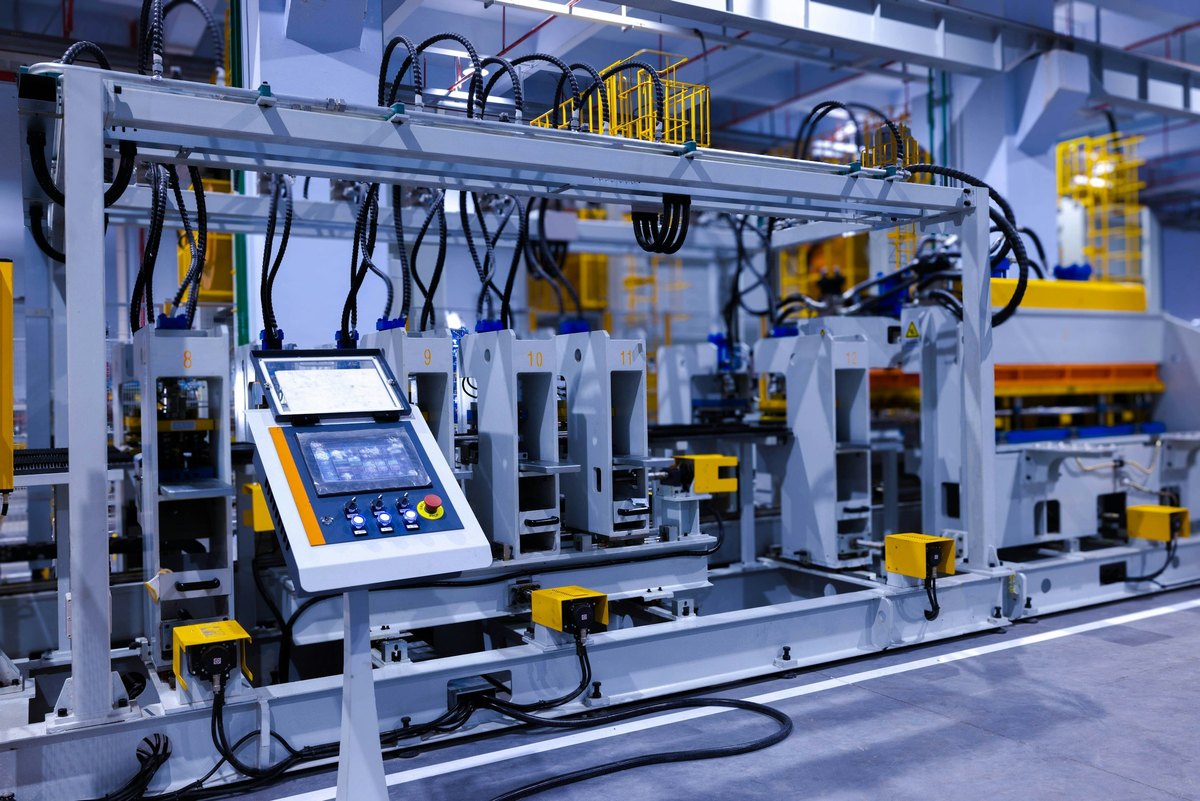
Sensors and software now play a huge role in modern spill prevention. Bioenergy plants track pressure, temperature, flow rates, and gas composition hundreds of times per minute. When the data does not match expected patterns, operators get instant alerts.
In a study by SL Chemtek, connected sensors and onsite guidance programs have helped plants respond to incidents faster and reduce mistakes during chemical handling. This review also showed how automated systems can reach emergency stop functions more reliably than manual methods.
How tech builds safer routines
Plants rely on tech in several ways:
- Leak detection sensors trigger alarms before a spill becomes visible
- AI systems compare current data to normal historical behavior
- Emergency shutoff valves respond in seconds to pressure spikes
The combination of human oversight and smart automation helps facilities catch issues long before they turn into a cleanup job.
Training and Daily Operating Practices
Technology works best when trained people understand how to use it. Most bioenergy plants follow structured training programs. Operators practice emergency responses, review checklists, and follow strict procedures for handling chemicals, in addition to worker safety procedures.
Guidance from multiple safety experts highlights how simple habits prevent major problems. Regular inspection routines often catch small issues like loose fittings or worn seals before they have a chance to leak. Strong communication between shifts ensures that equipment problems are never left unreported.
Regulations that Shape Preventive Measures
Regulations push facilities to maintain high standards. Preparedness, routine documentation, and appropriate storage choices are all focal points. These regulations do not just list requirements. They guide plant operators toward practices that reduce both everyday risks and the chance of rare major incidents.
Compliance also means more consistent training, better emergency planning, and mandatory review of the types of chemicals stored onsite. Altogether, these guidelines keep operators focused on prevention rather than reaction.
Why Spill Prevention Matters for the Future of Bioenergy
Bioenergy plants operate at the intersection of sustainability and industry. The goal is to generate renewable energy without harming the environment that this energy aims to protect. Preventing chemical spills plays a central role in maintaining public trust, protecting soil and waterways, and keeping workers safe.
With improvements in engineering, automation, and daily practices, modern bioenergy facilities are more resilient than ever. The move toward smarter systems and clearer safety standards shows how seriously the industry takes its responsibility.