

Many businesses now invest in renewable energy across various sectors, not only for reducing their operating costs, but also for improving their sustainability. Increasing energy prices, as well as environmental requirements, still prompt the companies to turn to greener energy sources.
This seamless transition involves planning, assessment of finances, and sustainable energy management. When done correctly through strategy, organizations usually benefit from greater operational efficiency and branding. The following are eight business strategies that enable the adoption of renewable energy systems.
In This Article:
Start with an In-Depth Energy Assessment
Before any investment in renewable energy, thoroughly analyze how your organization is currently using electricity. An energy audit typically identifies energy waste as well as offers ways of enhancing the system efficiency before the application of the new renewable energy systems. This will significantly decrease overall energy needs and save installation costs, which is the main objective.
Moreover, the in-depth assessment of current operations indicates the best renewable solution for each type of organization. While businesses would thrive with solar power systems, others will gain benefits by employing wind turbines or bioenergy. Examining space limitations of the facilities, the work schedule, and energy usage helps make informed decisions without wasted expense.
Set Clear Sustainability Goals
Setting clear goals guides actions, as well as helps the leadership to evaluate the expected outcomes of the investment. It could be cutting emissions, reducing electric bills, or building energy independence.
A timeline is also important. When setting reasonable and realistic time frames, business organizations improve project management, especially those with large facilities and multiple branches. A phased plan normally makes it simple to track, while it assists organizations to be able to adapt to the shifting needs of their operations at later stages.
Upgrade Your Infrastructure for Energy Management
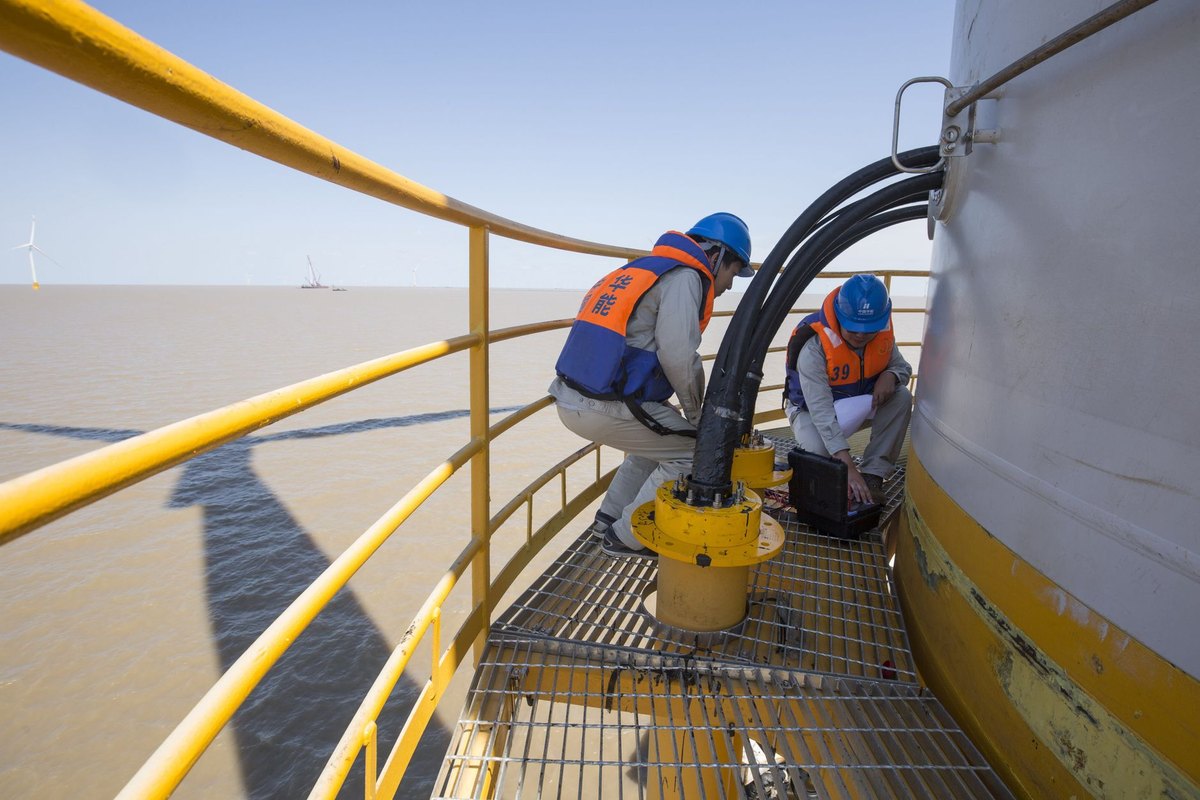
The efficiency of the renewable energy system is influenced heavily by the quality of the supporting infrastructure. Traditional electric systems negatively affect the energy efficiency of your installation and also carry safety issues that could emerge in the course of installing the systems. Prior to starting the installation of the system, examine all your wiring, power distribution circuits, and storage facilities.
Protective elements are also a key component, both for system safety and maintaining an ordered structure. The electrical enclosure boxes are employed in many facilities in order to prevent damage to electrical connections, control systems, or monitoring devices from dust or moisture. What you need is to invest in quality models and hire competent installation teams.
Choose Appropriate Renewable Energy Sources
The most suitable renewable energy sources differ depending on location, business type, and volume of energy utilization. Solar energy is still one of the most viable alternatives in many situations because the cost of installation has dropped over the years. Premises with plenty of roof spaces can install solar panels and achieve an optimal output of electricity.
Other sources of renewable energy can be quite appropriate, too, based on your operational requirements. Manufacturing plants in windy districts can greatly benefit from wind turbines, while organizations engaged in farming can benefit from bioenergy systems.
Take Advantage of Financial Incentives
Many governments and utility providers offer incentives meant to encourage renewable energy adoption. These can include tax credits, grants, rebates, or low-interest financing options. If businesses take time to research what’s available, they can reduce installation costs and shorten the return on investment period.
Upfront and running costs plus estimated energy savings should all be analyzed by a company before they select the renewable source. An exhaustive financial plan avoids wasting money, but more importantly, ensures financial viability.
Monitor and Optimize Energy Performance
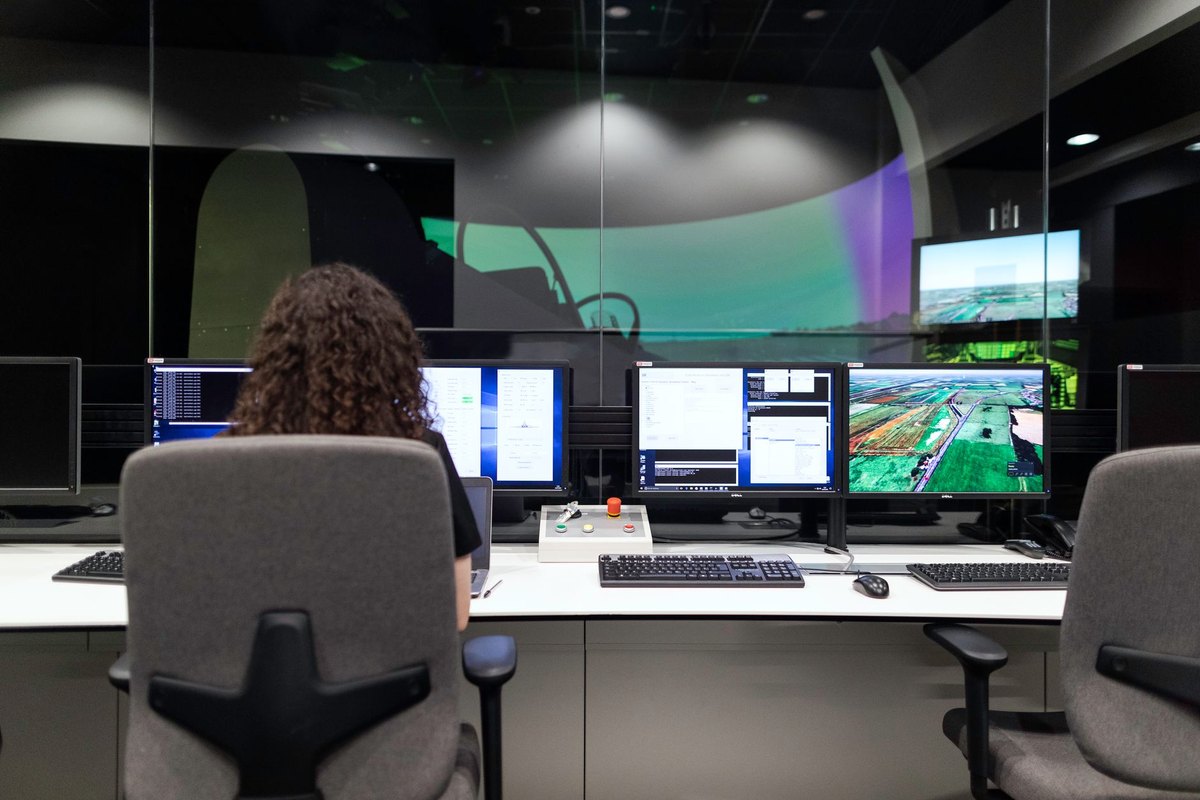
Installing renewable energy systems is only just a starting point. Businesses should monitor energy production and consumption continuously, so systems stay efficient. Software for energy management provides up-to-date performance data and shows areas of improvement.
Preventive maintenance is also crucial for performance in the long run. A dirty buildup, equipment wear, and software problems will reduce energy generation if neglected. The businesses that routinely perform performance checks and maintenance will probably obtain more savings on energy and also a more reliable operation.
Getting Staff on Board
Engaging your employees in the process will make renewable energy projects more successful. When employees understand and realize the meaning of sustainability goals for your company, they will become supporters of saving energy in daily operations. Training, combined with internal communications, tends to facilitate your employees’ adjustment to new systems.
You can also keep staff members committed by informing them of the progress reports and discussing sustainability achievements with them. Encourage employees also to practice sustainable efforts by promoting energy-saving measures around the workplace.
Build Partnership with Energy Experts
Renewable energy integration can get tangled quickly, mostly because the details are not simple. If a business goes in alone, it may miss technical points, and overall efficiency might take a hit. Partnering with seasoned consultants and energy providers helps businesses avoid common technical errors and usually speeds up the project.
Also, good partnerships bring about insight into up-to-date industries and technology. You will easily discover how to improve efficiency even more. Businesses that stay proactive see the greatest long-term benefits from their investments.
Endnote
Adopting a renewable energy solution for enterprises requires intensive planning, financial evaluation, and continual management. Those enterprises, focusing on the important issue of efficient, appropriate infrastructure, workforce engagement, and continued evaluation of their performance, will achieve the most benefits. Sustainable development with the right strategy saves operational costs, improves green practices, and promotes sustainable business growth.