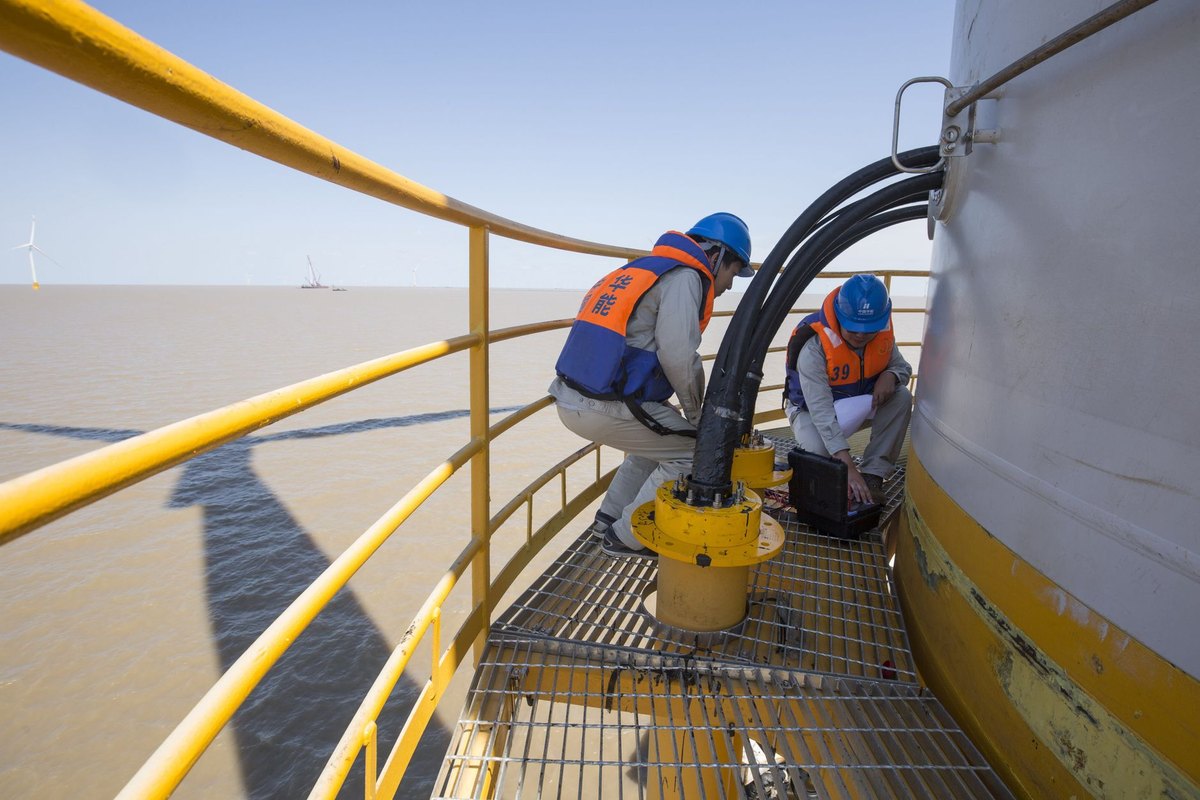


Public discussions about the clean energy transition usually revolve around large infrastructure projects. Wind farms stretching across open landscapes, hydroelectric dams supplying regional grids, and massive solar installations are often the most visible symbols of progress. These projects are undeniably important for reducing emissions from electricity generation.
Yet another transformation is taking place at a much smaller scale. It is happening quietly inside homes.
Residential buildings are beginning to play a far more active role in modern energy systems than they did in the past. For most of the twentieth century, houses functioned almost entirely as passive consumers of electricity. Power flowed one way, from centralized generation facilities through transmission and distribution networks to the end user. That structure reflected a time when electricity served a relatively narrow range of household needs.
Today that relationship is beginning to shift.
Electrification is expanding into areas of daily life that were once dominated by fossil fuels. Electric vehicles are gradually replacing gasoline powered cars, and heating technologies such as heat pumps are becoming more common in residential buildings. As these technologies spread, the amount of electricity consumed by homes increases and the patterns of that consumption begin to change.
Electric vehicles provide a clear example of how quickly the energy profile of a household can evolve. Charging an EV at home requires a dedicated circuit capable of delivering significant power over several hours. One household charging a vehicle overnight may not seem remarkable. Multiply that behaviour across millions of homes, however, and the impact on distribution networks becomes much more significant.
Utilities and energy planners are already paying attention to this shift. The timing of residential electricity demand is becoming more important as electric vehicles connect to household electrical systems in growing numbers.
Heating technologies are undergoing a similar transition. Heat pumps, which move heat rather than generate it directly, are attracting interest as a lower emission alternative to conventional heating systems. When installed in suitable climates and buildings, they can operate very efficiently. At the same time, they add to the electricity demand associated with residential structures.
Taken together, these trends highlight a growing reality. The electrical infrastructure inside homes matters far more than it once did.
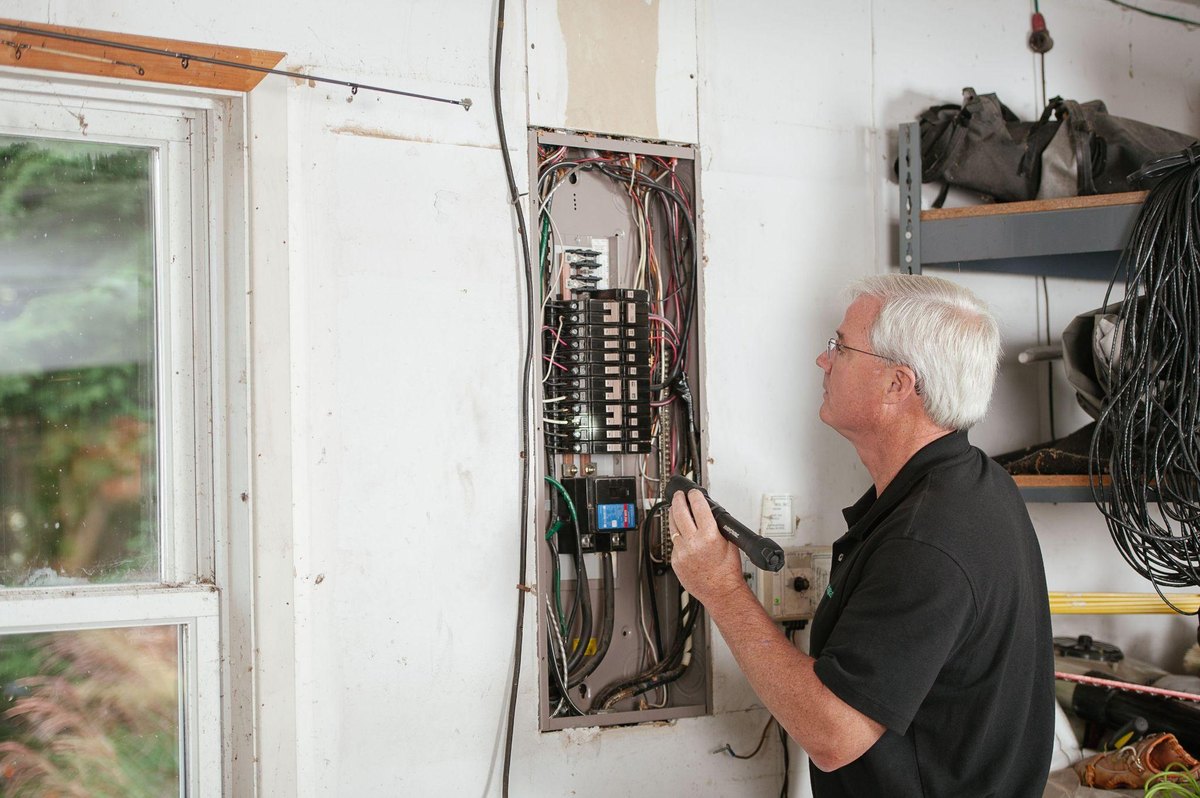
Many residential electrical systems were designed decades ago when electric vehicles and widespread electric heating were not part of everyday life. Panels, service connections, and household distribution wiring reflected the energy needs of an earlier era. As electrification continues to expand, the capacity of those systems may influence how easily households adopt new technologies.
The conversation about clean energy therefore increasingly includes residential infrastructure.
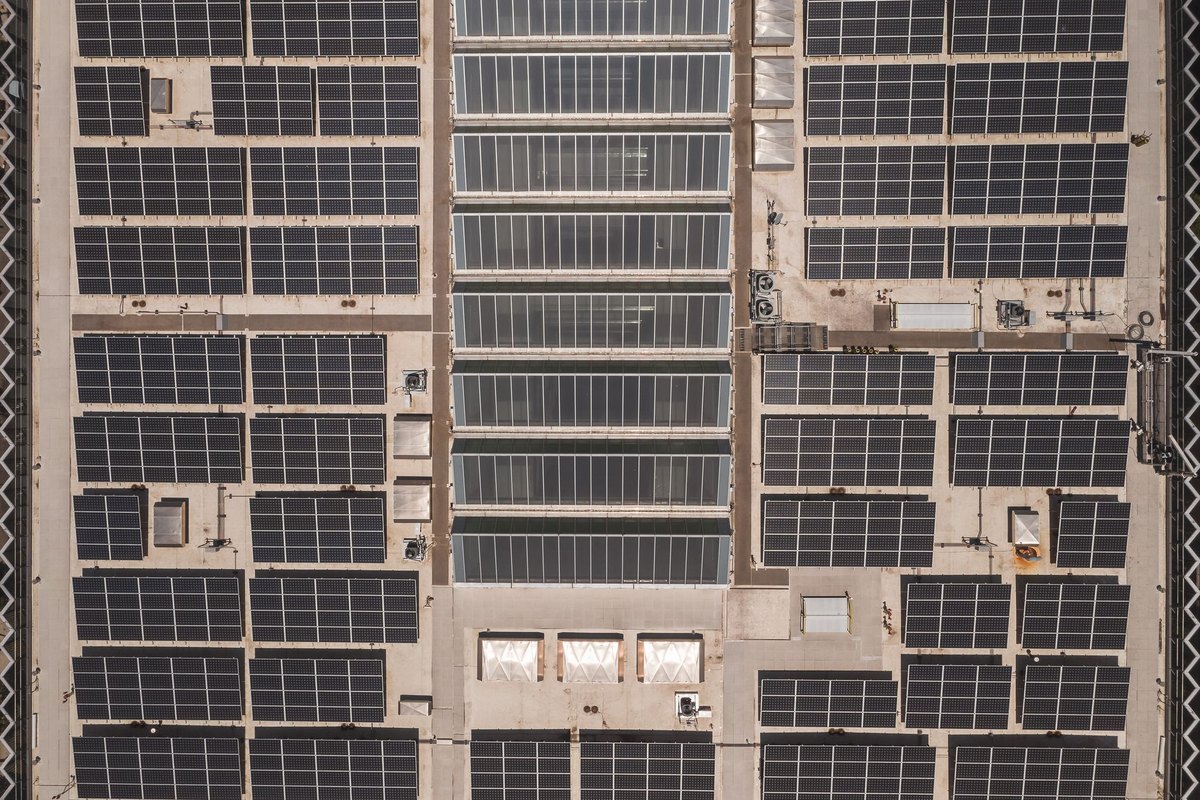
It also includes the growing role of distributed energy resources. Distributed energy refers to generation technologies located close to where electricity is consumed rather than at centralized power plants. Rooftop solar systems are one of the most visible examples of this model. Installed on homes, they allow households to produce a portion of their own electricity while reducing reliance on power drawn from the grid.
Distributed resources such as residential solar generation are increasingly discussed alongside other renewable sources, including bioenergy, wind, and hydroelectric power, as part of diversified low carbon energy systems.
The integration of rooftop solar into residential energy planning reflects a broader shift in how electricity systems operate. Rather than functioning only as consumers, households equipped with solar panels can contribute electricity back to the grid during periods of strong generation. In practice, this distributed production can strengthen system resilience by diversifying where electricity originates.
Information about how rooftop systems connect to residential electrical infrastructure and service capacity can be found in resources discussing solar panel installations, including technical explanations of how these systems integrate with modern homes and electrical networks.
Distributed solar generation also introduces practical planning considerations. Electricity produced by rooftop systems flows through the same residential infrastructure that supplies power to the home. Panels, inverters, and interconnection equipment must all be configured to manage this bidirectional flow safely.
For that reason, residential infrastructure becomes a critical interface between distributed generation and the wider electricity system.
The growth of distributed energy resources is unfolding alongside changes in policy approaches to renewable energy adoption. In many regions, government subsidies once played a central role in encouraging households to install solar systems and other energy technologies. Grants, rebates, and tax incentives helped offset the initial costs associated with renewable energy equipment.
Those programs were important for building early markets.
More recently, some jurisdictions have begun shifting toward financing based approaches. Instead of relying primarily on subsidies, households may access financing mechanisms that allow energy improvements to be repaid gradually over time. The intention is to move renewable energy adoption from a subsidy driven phase toward one supported by longer term financial structures.
This transition also reflects a growing interest in household energy independence.
For many homeowners, generating electricity locally provides more than environmental benefits. It offers a degree of protection from energy price volatility and creates opportunities for greater control over household energy use. When paired with emerging technologies such as battery storage or smart energy management systems, distributed generation allows households to participate more actively in how energy systems operate.
From the perspective of grid management, distributed resources may also strengthen resilience. Energy systems that incorporate many smaller sources of generation can sometimes respond more flexibly to disruptions than systems that depend entirely on centralized facilities.
During periods of peak demand or unexpected outages, locally generated electricity may help stabilize supply in certain parts of the network. Policymakers are increasingly exploring how distributed resources can complement large scale renewable projects while maintaining reliable grid operations.
Integrating these resources, however, requires careful planning.
Distribution networks must accommodate both rising electricity demand from electrified homes and the injection of locally generated power from distributed systems. In some regions, upgrades to grid infrastructure and modernization of residential electrical systems may be necessary to manage these evolving energy flows effectively.
The interaction between residential infrastructure and broader energy systems therefore represents an important frontier in the clean energy transition. While utility scale projects will continue to play a dominant role in decarbonizing electricity supply, the electrification of homes is reshaping the demand side of the equation.
Residential buildings are gradually evolving from passive endpoints into active participants within increasingly complex energy networks.
Looking ahead, electrified transportation, electric heating technologies, and distributed generation are likely to expand further over the coming decade. As these trends continue, the infrastructure inside homes will become an even more important foundation for the energy transition.
Homes capable of supporting modern electrical demand while integrating distributed energy resources may ultimately form a critical layer of a resilient and flexible energy system.
The clean energy transition is often framed as a transformation driven by massive infrastructure projects. In reality, it will also depend on the cumulative impact of millions of individual buildings adapting to new technologies and patterns of energy use.
As electrification spreads, the systems inside homes will play an increasingly central role in shaping how future energy networks function.