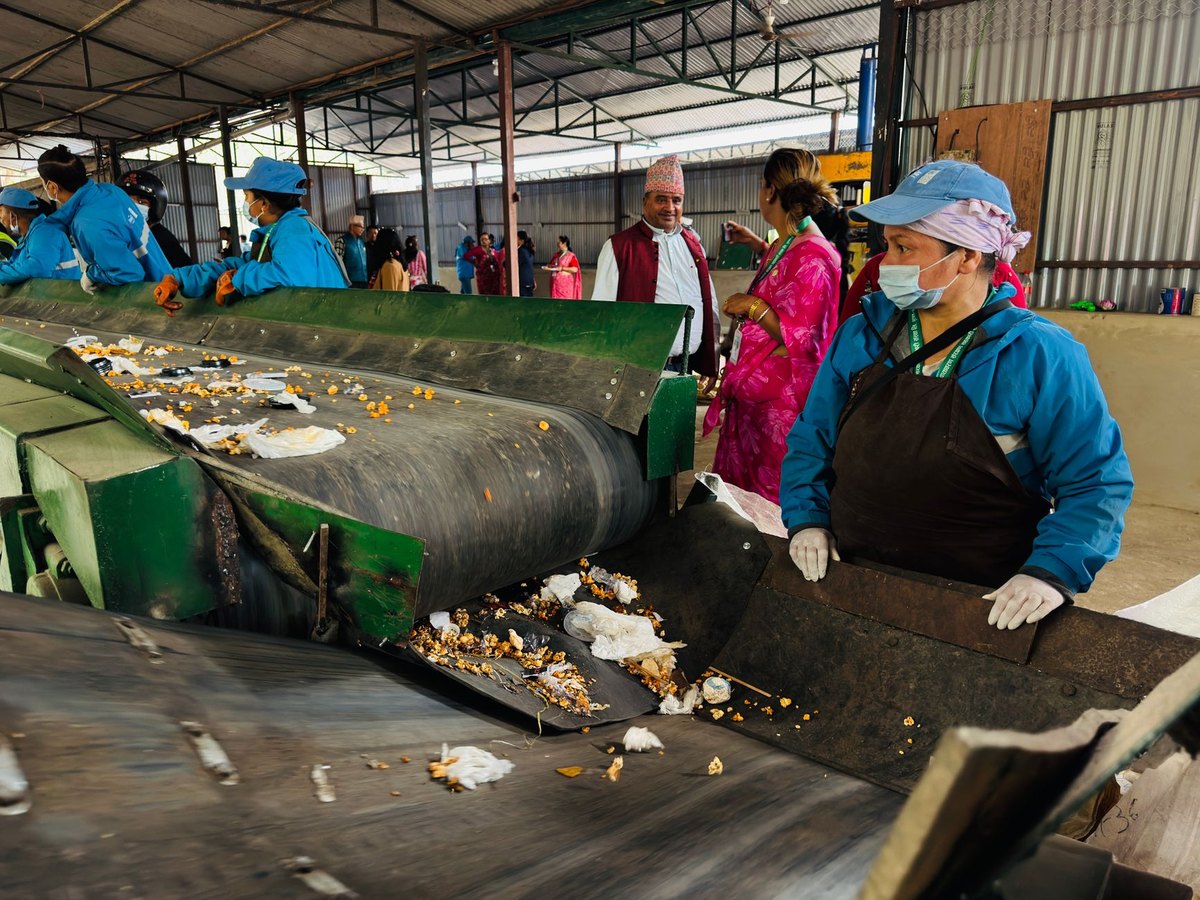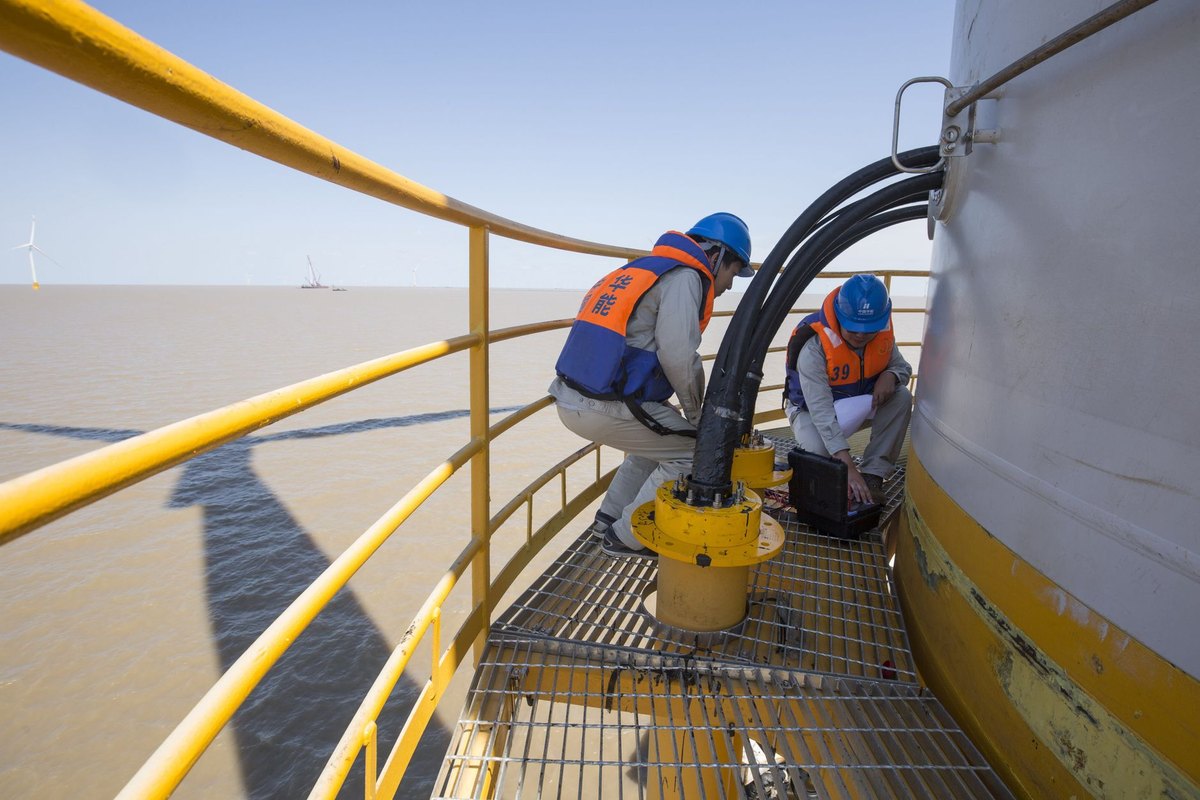

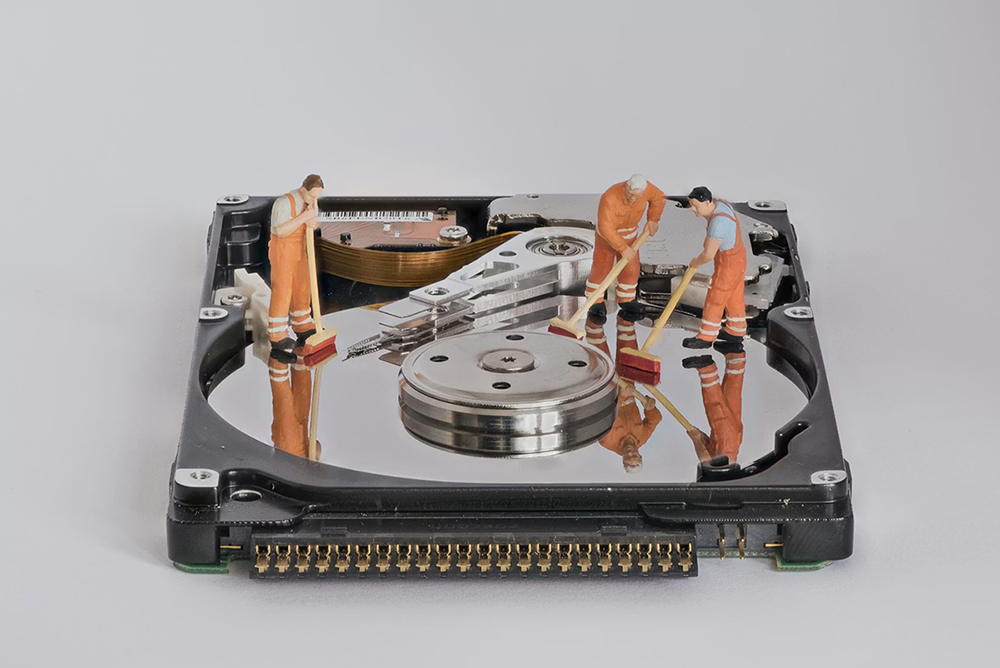
A lot of businesses have gotten better at talking about waste. Less landfill. Better recycling. More attention to recovery and emissions. But one part of the picture still gets mishandled more often than it should: data-bearing devices and physical records.
That gap matters because disposal is no longer just an environmental issue. It is a security issue too. A retired laptop, server drive, mobile device, backup tape, or box of paper records can carry both recoverable material and sensitive information at the same time. If one gets managed and the other does not, the process is incomplete.
That is why secure data destruction belongs inside a waste strategy, not off to the side as a separate IT concern. In a digital economy, responsible disposal has to cover both the materials and the information attached to them.
Why It Belongs in Every Waste Strategy
Most waste programs get judged on familiar things: recovery rates, landfill diversion, emissions, maybe how much material gets reused. Those are all useful measures. But if data-bearing devices and records move into disposal streams without secure handling, the program still carries unresolved risk.
Secure data destruction is what links environmental goals, compliance requirements, and safe IT asset disposal into one workable process. Without it, a company can look responsible on paper while still leaving itself exposed.
That matters even more because e-waste keeps growing. The Global E-waste Monitor 2024 makes that pretty clear, and a large share of that waste contains both valuable materials and sensitive data. Treating destruction as “the IT team’s problem” while the waste stream gets handled separately means the organization is only solving half of what is actually there.
Material recovery and data protection are not in competition. Done properly, they support each other.
What Goes Wrong When Data Assets Enter Waste Streams
Once data-bearing assets enter disposal channels without proper control, the risk spreads in more than one direction at once.
Security Failures Become Environmental Failures
A hard drive that gets sent to recycling without verified wiping is not just a breach risk. It is also a material moving through a channel the organization may no longer be able to trace or verify.
That is part of the problem with informal disposal streams. Once a device leaves controlled handling, the business can no longer say with confidence what happened to the data or the materials inside it. Environmental responsibility falls apart at the same time information security does.
That is why secure destruction and environmental controls should not be treated like two separate boxes to tick. If the chain of custody breaks, both goals are compromised.
Waste Operations Also Generate Sensitive Data
It is easy to think about data destruction only in terms of retired office equipment. But a lot of businesses involved in waste, logistics, recycling, and bioenergy generate sensitive information of their own.
Route schedules, customer contracts, maintenance records, compliance logs, internal reports, service agreements — all of that adds up. Some of it lives on paper. Some of it lives across devices and systems. Either way, it still needs controlled handling at the end of its life.
That broader operational context matters even more as more sectors adopt digital systems in the name of sustainability and efficiency. The wider relationship between digital transformation and sustainability is already shaping how information moves through environmental and industrial operations. That means disposal discipline has to keep up too.
How Secure Destruction Supports Reuse and Recycling
The method used to destroy data affects more than security. It also affects whether the asset can be reused, refurbished, or only scrapped.
Erasure Keeps More Equipment in Circulation
Not every data destruction method ends with a device being physically destroyed. Data erasure and sanitisation, when performed to a recognized standard such as NIST 800-88, remove the information while leaving the hardware intact.
That distinction matters. If a laptop, server, or mobile device can be erased and verified clean, it may still have value. It can be refurbished, redeployed internally, or sold into a secondary market instead of going straight into the waste stream.
For organizations trying to reduce e-waste, that is a major advantage. It keeps more equipment in circulation and supports a more circular approach to IT asset disposal.
Degaussing sits somewhere in the middle. It destroys the data on magnetic media permanently, but it also makes the equipment unusable. Security is handled, but reuse is off the table.
Destruction Still Matters for High-Risk Media
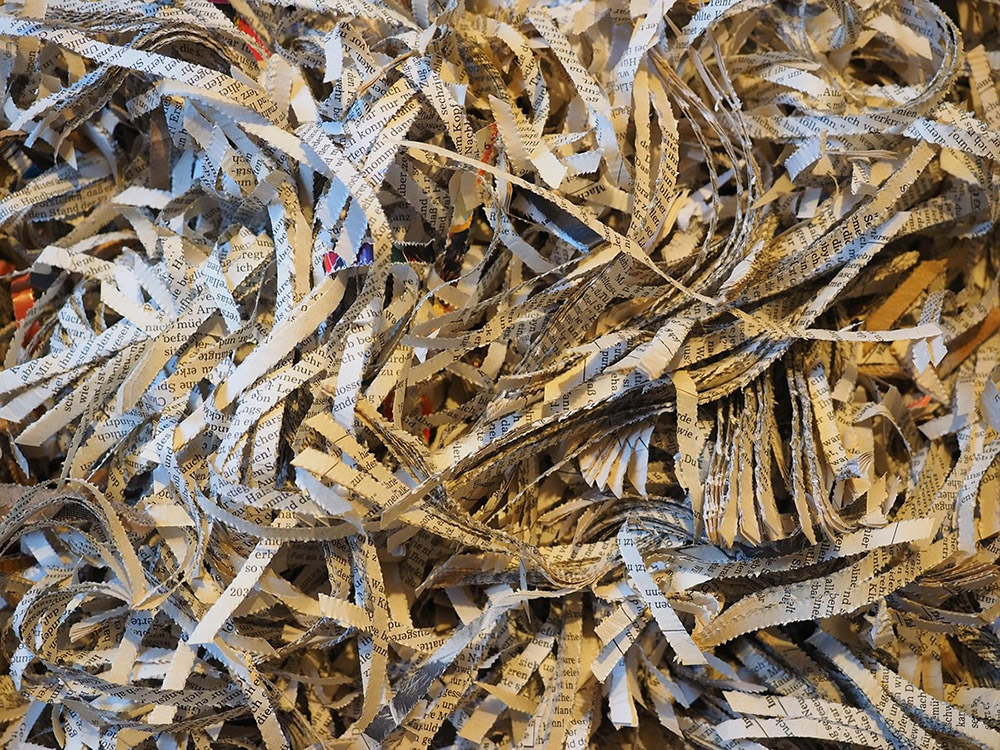
There are still cases where physical destruction is the right move. Damaged media, encrypted drives that cannot be properly verified, and higher-risk assets may not be good candidates for erasure at all.
In those cases, confidential shredding and other certified destruction methods make more sense. The key is making sure those services are controlled, documented, and linked to proper downstream recovery where possible.
Even then, destruction does not have to mean landfill. Responsible providers can still recover recyclable material from shredded media. The point is not to avoid destruction at all costs. It is to apply the right method to the right asset.
The Compliance Rules That Make It Non-Negotiable
Secure data destruction is not just a good internal policy. It is tied to a set of overlapping compliance expectations.
GDPR requires secure handling of personal data across its full lifecycle, including disposal. WEEE creates environmental obligations around electrical and electronic equipment. ISO 27001 includes controls around asset disposal. NIST 800-88 gives organizations a recognized framework for sanitising media.
Taken together, these standards make one thing pretty clear: organizations are expected to dispose of data-bearing assets in a way that is both secure and documented.
What Auditors Expect to See
Regulatory compliance in IT asset disposal is not demonstrated through intent; it is demonstrated through documentation. Auditors look for evidence that disposal processes were followed consistently, and three elements form the backbone of that evidence.
Chain of custody records show that assets were tracked from the point they left operational use through to verified destruction or transfer. Documented procedures confirm that a defined process was followed rather than disposal handled on an ad hoc basis. A certificate of destruction provides the formal record that a specific asset was destroyed to a stated standard, by a named provider, on a confirmed date.
Without that, even a well-meaning process becomes hard to defend. A company may believe it handled disposal properly, but if it cannot prove it, that belief is not worth much in an audit.
How to Build It Into Everyday Waste Operations
A policy is not enough if it sits in a folder and never connects to the teams actually handling the assets.
Secure destruction only works when procurement, IT, facilities, records management, and waste operations are working from the same process. Otherwise, items get retired in one department and disappear into an ad hoc disposal path somewhere else.
The basic workflow is not complicated, but it does need to be consistent:
- identify and separate assets at the point of retirement
- move them securely under a documented chain of custody
- process them through a qualified ITAD or waste partner
- verify the result with proper documentation
That is what turns disposal from a vague intention into something repeatable and auditable.
Partner choice matters too. A good provider should be able to show both secure handling controls and some alignment with broader sustainability goals. Those are not competing criteria. They belong in the same conversation.
There is also a wider sustainability angle here. Some waste streams can support recovery beyond basic recycling, including models connected to circular bioeconomy and waste-to-energy. But none of that works well if data-bearing materials are entering the system without proper controls in place first.
Final Thoughts
Secure data destruction sits at the intersection of two obligations that organizations cannot afford to treat separately. The decisions made at the point of disposal, which method is used, which partner is engaged, and what documentation is produced, determine outcomes on both the data protection and environmental responsibility sides simultaneously.
No single approach fits every asset or every situation. What matters is that sustainable waste management programs account for data-bearing materials with the same rigor applied to any other regulated output. Regulatory compliance depends on it, and so does the integrity of the broader disposal strategy.