
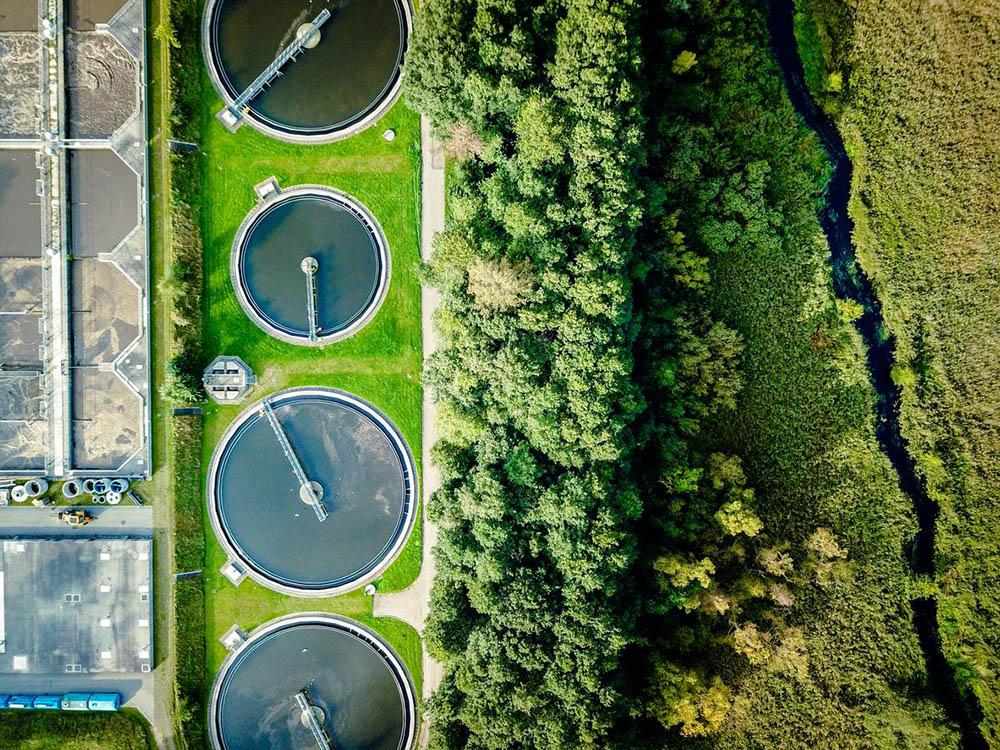
Urban wastewater is no longer just a byproduct to manage. Advances in waste-to-energy technology are transforming sewage into a reliable source of renewable energy, reshaping how cities approach sustainability and resource management.
In 2026, this shift is gaining momentum, offering municipalities a chance to reduce emissions, recover valuable resources, and integrate circular economy principles directly into urban infrastructure.
In this article:
From Problem to Resource: The Waste‑to‑Energy Paradigm Shift
Historically, urban sewage management focused on removing waste and safely returning water to the environment. Treatment plants consumed significant energy and produced greenhouse gas emissions. Today, waste‑to‑energy systems flip that model:
What’s new in 2026
• Cities are deploying systems that convert municipal wastewater into renewable energy at scale.
• Anaerobic digestion and other technologies are moving beyond small installations into mainstream utility design.
• Treatment plants no longer just treat waste, they generate electricity, heat, and usable byproducts.
Before sewage reaches these advanced facilities, it relies on proper collection and plumbing infrastructure. Working with a trusted plumbing company ensures that municipal and residential systems function efficiently, preventing blockages and protecting downstream treatment processes.
How Waste‑to‑Energy Technology Transforms Urban Sewage
Different processes fall under the waste‑to‑energy umbrella, but the most impactful for urban sewage include:
Anaerobic Digestion
In this process, microorganisms break down organic material in wastewater without oxygen. The key outcomes are biogas and stabilized solids.
- Biogas can fuel generators or be upgraded into pipeline‑quality renewable natural gas.
- Digestate can be used as fertilizer or soil amendment.
For a deeper look at how wastewater treatment plants are evolving from simple pollutant removal facilities into centers for resource recovery and renewable energy production, see this comprehensive analysis on urban wastewater treatment and resource recovery.
Thermal Conversion Technologies
These include:
- Gasification: partial oxidation produces syngas suitable for electricity generation.
- Pyrolysis: decomposition under high heat yields bio‑oil, char, and gases.
Advanced Microbial Fuel Cells
Still emerging, these systems produce electricity directly from wastewater through specialized biological reactions.
Collectively, these technologies redefine what “treatment” means, it now includes energy generation, resource recovery, and pollution reduction.
Benefits of Anaerobic Digestion in Wastewater Treatment 2026
Anaerobic digestion stands out for its maturity and scalability. In 2026, its adoption brings measurable impacts:
Optimized Energy Use
Many wastewater facilities become net‑zero or net‑positive in energy, a dramatic flip from decades past. Biogas fuels onsite operations and, in some cases, powers adjacent districts or utilities.
Lower Greenhouse Emissions
By capturing methane (a potent greenhouse gas) and replacing fossil fuels, cities reduce their carbon footprints.
Reduced Biosolids Volume
Digestion decreases the solid waste stream, cutting disposal costs and environmental liabilities.
Resource Value
Products of digestion, nutrient‑rich solids and renewable energy, become revenue sources instead of burdens.
These benefits align with broader global goals for emissions reduction and urban resilience.
What Cities Are Doing Now: Case Studies of Progress
Cities across continents are adopting waste‑to‑energy strategies differently. Their approaches reflect local priorities, from energy independence to climate commitments.
Example Pathways
- Full‑scale biogas recovery: Large municipal plants retrofit digesters and install combined heat and power (CHP) systems.
- Decentralized micro‑digesters: In dense neighbourhoods, smaller units treat wastewater locally and feed energy back into buildings.
- Hybrid systems: Facilities combine thermal and biological processes to maximize energy and product output.
These different models show that converting municipal wastewater into renewable energy is not one‑size‑fits‑all. Local conditions, regulatory frameworks, and funding shape implementation strategies.
Emerging Trends in Sustainable Urban Sewage Management
Two major trends are driving the next wave of adoption:
Trend 1: Integration With Smart Infrastructure
Cities are layering energy analytics, digital sensors, and automated controls onto wastewater systems. This enhances efficiency and enables real‑time optimization of energy production and resource recovery.
Trend 2: Distributed Water Energy Networks
Instead of routing all wastewater to centralized plants, some cities are experimenting with neighbourhood-level systems that cut transmission costs and reduce peak loads.
Other noteworthy shifts include:
- Public‑private partnerships increasing investment flows
- Policy incentives for renewable energy embedded in sewer regulations
- Cross‑sector planning that treats water, energy, and waste as interconnected urban systems
Together, these trends signal that sustainable urban sewage management has entered a new era: one focused on resilience and resource value.
The Future of Circular Economy in Urban Water Infrastructure
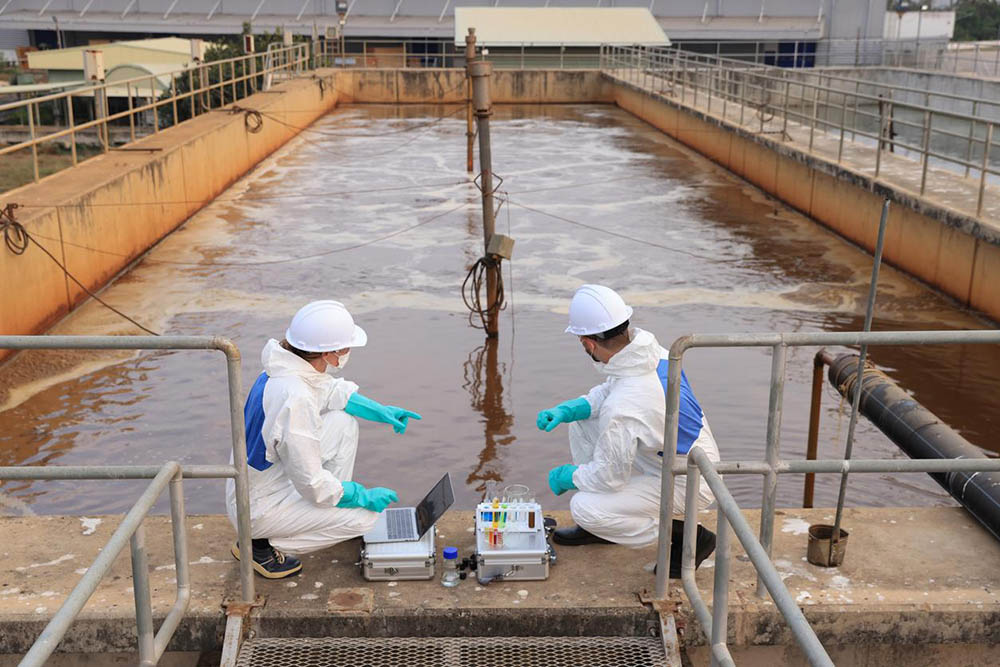
A circular economy reduces waste and continually reuses resources. In water infrastructure, that means:
- Turning organic waste into energy
- Recycling treated water for industrial or landscape use
- Reclaiming nutrients like phosphorus and nitrogen
Embedding circular principles isn’t just environmentally sound; it makes economic sense. Utilities can lower operating costs, attract green financing, and create new service revenue streams.
Circularity also strengthens climate resilience. When cities produce energy locally, they buffer themselves against grid disruptions and energy price volatility.
Challenges and How Cities Are Overcoming Them
Despite growing momentum, challenges remain:
Upfront Investment
Waste‑to‑energy systems require significant capital. Grants, green bonds, and utility rate restructuring are common solutions.
Technical Integration
Retrofitting older plants can be complex. To manage this, cities adopt phased implementations that allow iterative upgrades without disrupting service.
Regulatory Barriers
Policies often lag behind technology. Progressive cities work with regulators to create frameworks that support renewable energy credits and flexible permitting.
By addressing these hurdles strategically, municipalities accelerate deployment and build stakeholder confidence.
What This Means for Urban Growth and Sustainability in 2026
In practical terms, waste‑to‑energy adoption influences:
- City budgets: Lower energy costs free up funding for other priorities.
- Climate commitments: Renewable energy from sewage helps cities meet emissions targets.
- Public perception: Citizens increasingly see wastewater infrastructure as innovative and forward‑looking.
For professionals and communities invested in sustainable growth, these systems demonstrate that environmental responsibility and economic benefit can go hand in hand.
Looking Ahead: What to Expect Next
As technology matures and becomes more cost‑effective:
- More mid‑sized cities will adopt waste‑to‑energy solutions.
- Decentralized systems will supplement traditional plants.
- Integration with renewable grids will deepen.
These developments promise to expand the role of wastewater infrastructure beyond sanitation into energy markets and resource ecosystems.
Summary
- Waste‑to‑energy technologies are transforming urban sewage systems from cost centers to resource hubs.
- Anaerobic digestion delivers measurable benefits in energy generation and emissions reduction.
- Emerging trends show deeper digital integration and distributed system designs.
- Circular economy principles are reshaping water infrastructure planning.
- Challenges remain, but strategic planning and policy innovation are driving adoption.