
Sustainable development has become a central focus across industries as organizations look for ways to balance economic growth with environmental responsibility and long-term resource management. Whether in energy, manufacturing, infrastructure, or transportation, the goal is no longer simply to maximize output. Companies are increasingly seeking solutions that improve efficiency, reduce waste, and support responsible operations that can deliver value for years to come.
Achieving sustainable development requires more than broad commitments and policy statements. It depends on practical decisions made every day. Advances in technology, data analysis, and equipment design have created opportunities to minimize environmental impact while maintaining productivity. As industries evolve, sustainability is becoming less about sacrifice and more about smarter ways of working.
Improving Efficiency Through Better Technology
One of the most effective ways to support sustainable development is by improving operational efficiency. Inefficient processes consume additional energy, increase material waste, and often result in higher costs. Modern technologies help organizations optimize performance and make better use of available resources.
Data-driven systems, automation, and real-time monitoring allow teams to identify inefficiencies before they become larger problems. Instead of relying on outdated methods or reacting after issues arise, businesses can make informed adjustments that reduce unnecessary consumption and improve overall performance.
Small gains in efficiency may seem insignificant on their own, but when applied consistently across projects and operations, they can produce meaningful environmental and economic benefits.
Reducing Waste and Unplanned Disruptions
Sustainability is closely linked to reliability. Unexpected failures and downtime often lead to wasted materials, additional emissions, and increased expenses. Preventing disruptions not only improves profitability but also supports responsible resource use.
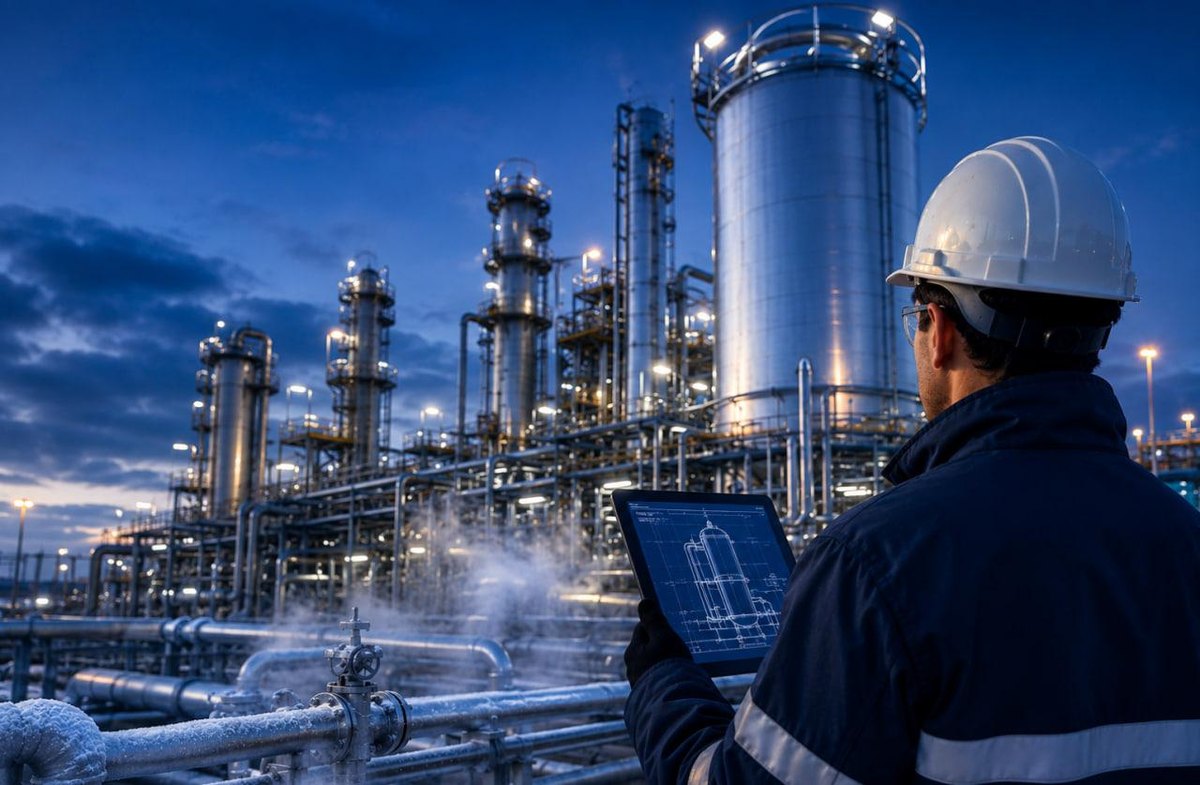
Predictive maintenance technologies and advanced monitoring systems help organizations address problems before they escalate. This proactive approach minimizes unnecessary repairs and reduces the need to replace damaged components prematurely. In sectors that operate in demanding conditions, specialized systems and downhole equipment can contribute to more efficient performance while helping projects avoid costly setbacks and excessive resource consumption.
Preventing waste is often more valuable than correcting it after the fact. That principle lies at the heart of sustainable development.
Balancing Productivity With Environmental Responsibility
Sustainable development does not mean sacrificing performance. Instead, it emphasizes finding a balance between productivity and environmental stewardship. Businesses increasingly recognize that faster results are only beneficial when they are achieved safely and responsibly.
Energy-efficient equipment, improved designs, and better operational planning allow organizations to accomplish more with fewer resources. Reducing emissions, lowering energy consumption, and minimizing unnecessary material use all contribute to stronger long-term outcomes.
Steady, reliable progress often delivers greater value than pursuing short-term gains that create larger costs down the road. Sustainable practices encourage organizations to focus on lasting success rather than temporary advantages.
Investing in Long-Term Value
Initial investments in advanced technologies or improved processes may appear costly, but sustainable development takes a broader view. Long-term value extends beyond immediate budgets and considers operational resilience, maintenance costs, and environmental impact over the life of a project.
High-quality systems and durable equipment typically require fewer repairs and replacements, reducing material waste and lowering overall costs. More efficient operations also provide greater flexibility, allowing organizations to adapt to changing market conditions and regulatory expectations.
This long-term perspective helps businesses remain competitive while supporting responsible growth.
Adapting to Complex Challenges
Every industry faces unique environmental and operational challenges. Climate conditions, resource limitations, and evolving regulations require organizations to remain flexible. Sustainable development depends on the ability to adapt without compromising performance.
Innovative materials, improved engineering practices, and digital technologies help organizations operate effectively even in demanding environments. Resilience has become an important part of sustainability because systems that can withstand changing conditions are less likely to require costly interventions or generate unnecessary waste.
Successful organizations recognize that sustainability is not a one-time initiative. It is an ongoing process of continuous improvement and thoughtful decision-making.
The Growing Importance of Data
Information plays a major role in sustainable development. Connected systems and real-time analytics provide valuable insights that help organizations make smarter decisions. Data allows teams to monitor performance, identify trends, and respond quickly when conditions change.
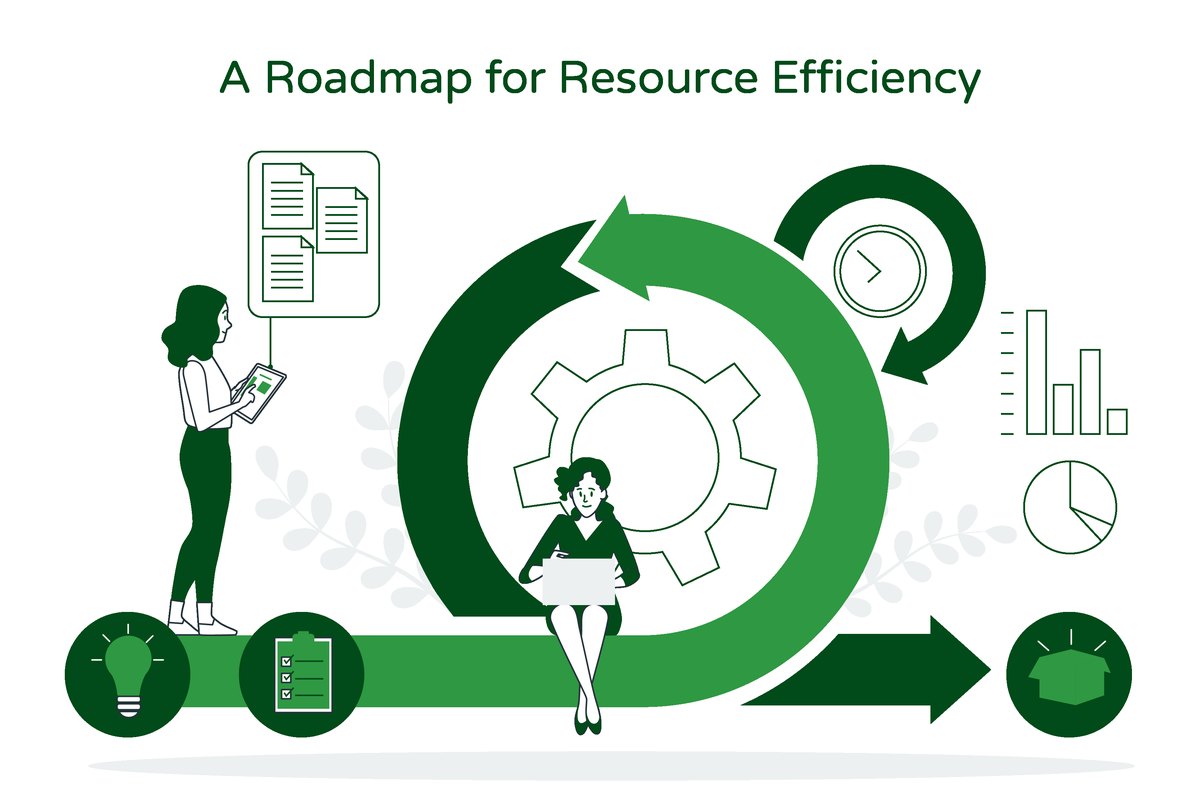
Over time, this information helps refine strategies and improve future projects. Lessons learned from previous operations contribute to better planning and more efficient resource use. The result is a cycle of continuous improvement that benefits both organizations and the environments in which they operate.
Technology and data have transformed sustainability from an abstract goal into a measurable and achievable strategy.
Building a More Sustainable Future
Sustainable development is ultimately about creating systems that deliver economic value while preserving resources and supporting future generations. Efficiency, reliability, innovation, and responsible planning all play important roles in achieving that balance.
As industries continue to evolve, success will depend not only on what organizations produce, but on how they produce it. Thoughtful investments, smarter technologies, and a commitment to continuous improvement can help businesses meet today’s demands while building a stronger and more sustainable future.