
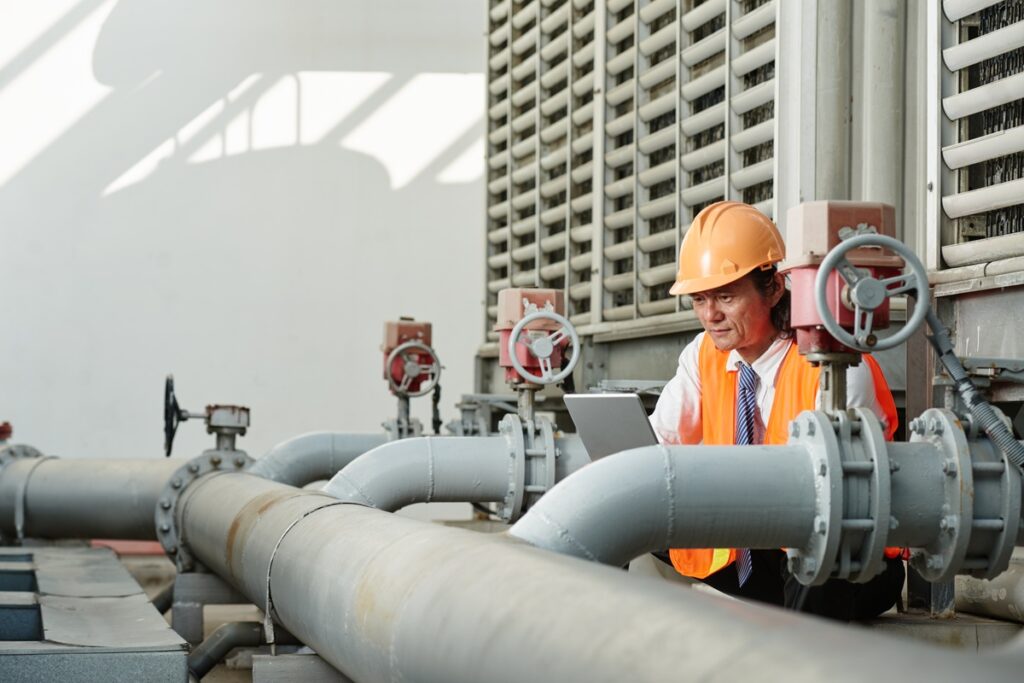
Hospitals. Hotels. Manufacturing plants. They share a common denominator with a long list of other facilities: they rely on clean water every day. Disinfecting water is at the core of the daily operations. The impact is massive when things go wrong. It triggers shutdowns and damages equipment. Chemicals from flushing and wastewater discharge increase. The smallest inefficiencies eventually add up. The consequences are impossible to ignore.
Organizations are looking for cleaner water. But that’s not enough. One thing is equally important. Lower footprint. Water disinfection is both a safety need and an environmental concern. It is not enough that water is clean and safe as it is delivered. It should be delivered with the lowest carbon footprint possible.
In this article:
Start With The “Footprint” Problem in Facility Disinfection
Disinfecting water protects people and operations. But it also comes with a price tag. The “more is safer” mindset does not often work. Chemical overuse and erratic dosing create direct waste. They force corrective shock treatments that consume more resources.
The upstream burden is substantial. Bulk chemical production. Packaging. Transportation. The resources and emissions before using a disinfectant embed carbon and pollution. This means that the harm happens long before the application commences.
The downstream consequences are equally notable. Flush water from system cleaning contributes to pollution. Disinfectant byproducts and excess residuals are also harmful.
Cleaner Treatment Methods With a Smaller Environmental Cost
Conventional water disinfection methods create a difficult tradeoff. They control pathogens but generate chemical byproducts and discharge pollutants. Facilities must settle with a solution that delivers consistent results with fewer resources and a smaller footprint.
1. On-Site Generation to Lessen Impact
Moving disinfection on-site collapses the lengthy supply chain. It addresses bulk chemical delivery to reduce the carbon footprint associated with transportation. Packaging waste is reduced. Handling hazards is limited. Facilities can also avoid over-ordering.
Different solutions for on-site disinfection are available, including the use of a chlorine dioxide generator. It is fresh and potent. It is available on demand. As such, facilities can benefit from an effective treatment method without the high environmental cost.
2. Use Automated and Demand-Based Dosing
Many facilities still rely on a calendar-based dosing. Operators set manual chemical feed pumps to deliver a fixed amount of disinfectant at a fixed schedule. This happens regardless of the actual system demand or water quality conditions. It is a static and inefficient method. It leads to significant chemical overuse during periods of low water consumption. It creates unnecessary waste and chemical byproducts. It also provides inadequate dosing during unexpected surges.
The alternative is automated dosing that changes based on the current demand. It utilizes continuous sensor data to adjust the chemical feed pump in real-time dynamically. The sensors track flow and residual disinfectant levels, among other parameters. The right dose is delivered at the right time to guarantee safety and efficiency. At the same time, it eliminates chronic waste and dangerous gaps.
3. Match Treatment Method to Use Case
A single routine for every system does not work. The water chemistry and target microorganisms impact the method of choice. The right process is the cornerstone of an efficient program with a low footprint.
A recirculating cooling tower, for example, benefits from an oxidizing biocide and a non-oxidizing supplement. In contrast, a final rinse water in a food production facility will use a zero-chemical residual method, such as ultraviolet light. It can disinfect without altering product taste.
Start by identifying the purpose. Match the treatment to the needs of the facility and how the water system actually operates. More than being sustainable, it can also cut unnecessary costs.
4. Control Biofilm Proactively
Biofilms are resilient microorganism layers that adhere to wet interior surfaces. You’ll find them inside pumps and tanks. It often develops in areas with low water flow and warm temperatures. They act as a persistent reservoir for pathogens that cause chronic water issues.
The consequences are financial and operational. Biofilm accelerates corrosion. It increases hydraulic resistance and diminishes heat transfer efficiency. It forces facilities into a reactive cycle of high-dose shock treatments. Consequently, this consumes excessive chemicals and generates polluted flush water.
Proactive control solves the problem. It involves consistent mechanical cleaning protocols, such as automated pigging or brushing systems. They are combined with the use of precise disinfectants that inhibit biofilm regrowth. This prevents the conditions that demand wasteful corrections.
5. Disinfect High-Risk Zones First
Treating an entire system with a uniform dose is resource-intensive and strategically flawed. But risk is not evenly distributed. Microbial growth is present in specific environments. A blanket approach is ineffective.
Focus on areas with the highest risks. They are prone to stagnation and temperature shifts. These sections are prone to organic accumulation the most. They are safe harbors for biofilms and pathogens. Mapping these vulnerabilities is the first step. A targeted approach prevents the problem at the source while achieving a higher standard of control.
6. Document the Process
Many facilities consider disinfection as routine work happening in the background. The team relies on memory when something goes wrong. Some may have scattered logs and informal notes that do not suffice. This makes it harder to prove what happened and identify patterns.
Documentation should include a dynamic record of system interactions. It must continuously capture sensor outputs, dose responses, and environmental conditions. A granular record unlocks predictive management. It is easier to analyze data and correlate the problem with the cause when things are properly documented.
Documented intelligence transforms sustainability from an abstract goal into a reported metric. It provides irrefutable reference and evidence. This also comes in handy when it comes to compliance and reporting. It demonstrates how serious an organization is in following what is required of them.
End Note
You do not need to force a choice between cleaner water and a lower carbon footprint. Heavier chemical use is unnecessary. Instead, it requires better decisions and clearer control. The payoff goes beyond compliance. The benefits show up in fewer disruptions and less waste. The consequences go beyond the environment. They also have financial implications in the long run.