
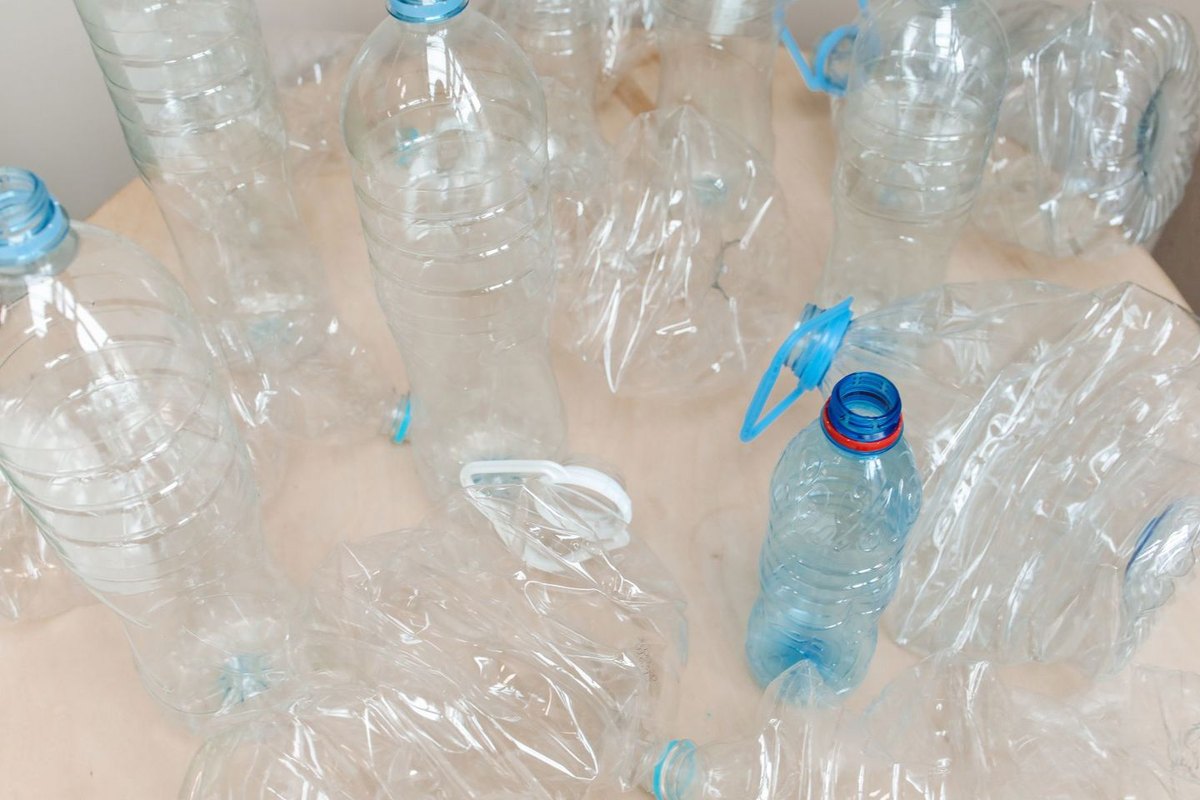
Moving away from single-use bottled water is one of the most immediate and impactful ways to drastically reduce your household’s ecological footprint. Making a deliberate transition to home-based filtration and reusable containers protects marine life from microplastics, shrinks your carbon footprint and saves you significant amounts of money over time.
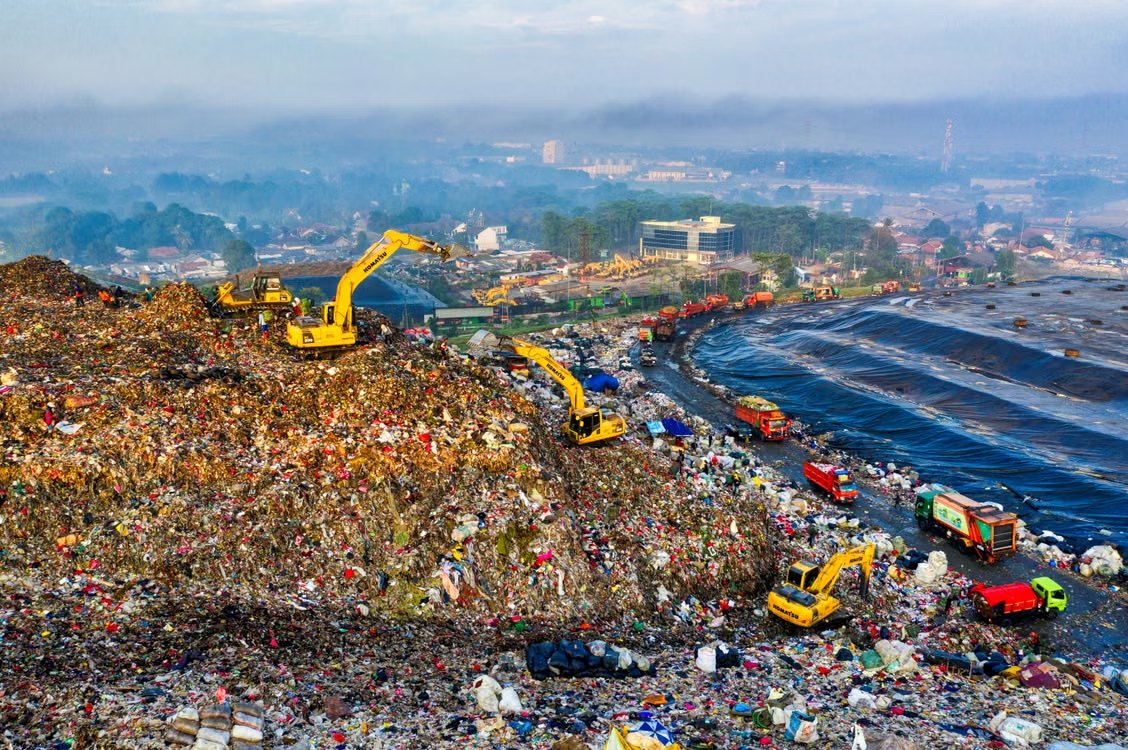
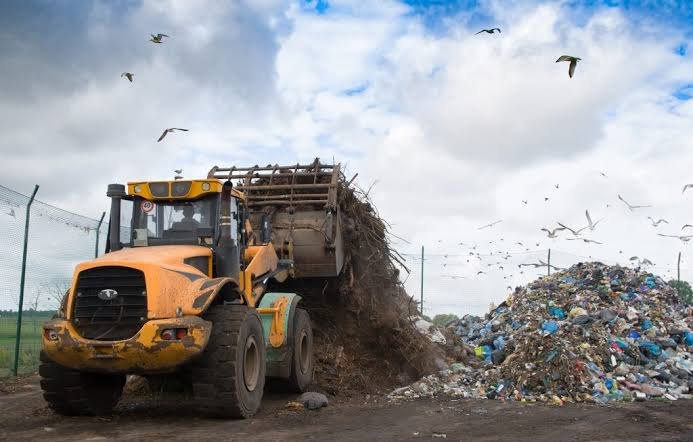
The global reliance on single-use plastic water bottles has escalated into one of the most pressing environmental issues of the modern era. Globally, close to 20 billion plastic bottles are discarded into trash bins every year, and approximately 80% of them end up as non-biodegradable litter or fill up landfills.
Households aiming to reduce their ecological footprint have found that eliminating these single-use water bottles is the single most effective place to start. Making the transition to sustainable, localized hydration systems curbs plastic pollution at the source and also provides significant financial savings over time. Understanding the mechanical options that are available can give households an effortless way to break the cycle of plastic consumption without having to sacrifice water quality or convenience.
In This Article:
The Environmental Toll of Bottled Water
The life-cycle of a single-use plastic water bottle is inherently resource-intensive. Between the extraction of crude oil that’s required to manufacture polyethylene terephthalate (PET) and the fossil fuels that are emitted during long-distance shipping, the carbon emissions that are associated with commercial bottled water are exorbitant.
To make matters worse, many commercial bottled waters are actually just municipal tap water that’s undergone basic filtration, packaged with an astronomical markup. When you buy bottled water, you’re mostly paying for the plastic packaging and transportation as opposed to the liquid itself.
Decentralizing water purification and shifting the focus back to clean, filtered domestic tap water will allow your household to cut your weekly plastic output down to zero.
Countertop Solution for High-Capacity Gravity Filtration
If you’re looking for a strong alternative that won’t require making permanent plumbing alterations, then a gravity-fed countertop system might be your best bet. One of the most popular configurations in this category is the classic Berkey water filter that’s constructed from durable stainless steel and uses a set of internal purification elements to filter large quantities of water using nothing but the natural force of gravity.
Gravity systems are highly valued by eco-conscious households because they completely bypass the need for:
- Electricity
- Water pressure
- Frequent structural changes
The deep-bed carbon and composite matrices inside the housing absorb volatile organic compounds, heavy metals, chlorine and bad tastes.
Since the stainless steel housings are built to last for decades, the only recurring maintenance you’ll need to do is replacing the internal elements. Using a high-capacity gravity filter will give you a steady supply of crisp, clean drinking water right from your kitchen counter, removing the temptation to pick up a plastic multi-pack at the supermarket.
Comprehensive Under-Sink and In-Line Filtration
Under-sink filtration systems are an invisible, high-efficiency alternative for higher-volume households. They connect directly to the cold water plumbing line beneath your kitchen counter, delivering purified water through a dedicated, low-profile faucet.
These under-sink systems are available in the form of:
- Multi-stage reverse osmosis (RO) setups that pass water through a semi- permeable membrane, stripping out microscopic dissolved solids, heavy metals and chemical residues. While they are highly effective, traditional RO systems can produce wastewater during flush cycles, so you should look for modern, high-efficiency zero-waste or low-ratio recovery systems when shopping.
- Inline carbon block systems are a simpler plumbing alternative that diverts water through dense activated carbon blocks. They don’t produce any wastewater and excel at removing chlorine, sediment and common municipal additives while preserving natural trace minerals.
Your choice of filtration system will depend on the volume of water you drink as well as how much alteration you can make to your kitchen. Both of these options will give you clean, refreshing drinking water straight from the tap.
On-The-Go Reusable Drinking Bottles
A home filtration system will only solve half your problem because being plastic-free means you need to find a sustainable way to transport water outside of your home. Investing in premium, long-lasting reusable bottles will ensure that you never find yourself stranded and forced to buy emergency plastic bottles.
When it comes to choosing your sustainable water bottles, the material is important. The most popular options include:
- Food-grade stainless steel bottles that are double-walled and vacuum-insulated. They protect your water from solar degradation and maintain icy temperatures for up to 24 hours.
- Borosilicate glass if you prefer a completely inert drinking surface. These silicone-sleeved glass bottles ensure that no metallic or plastic flavors leach into your water.
Having the right receptacle for your water will allow you to enjoy your homemade filtered hydration no matter where you are.
Making Sustainable Changes
Making the conscious decision to move away from the cultural convenience that surrounds bottled water requires a slight adjustment of your daily habits, but the rewards are immense. The combination of clean, filtered water with a durable, sustainable water bottle will allow your household to successfully eliminate hundreds of pounds of plastic waste, directly contributing to a cleaner and more sustainable planet.