
Renewable energy assets are expected to operate for decades, but long service life does not come from installation quality alone. Performance changes as equipment ages, operating conditions shift, and individual components reach their own replacement cycles.
At larger sites, building facility management software can help coordinate the supporting infrastructure around the generation plant, including service history for control buildings and other site facilities. Asset maintenance management software inspects the generation equipment itself by tying inspections, faults, repair history, and planned work to each asset. Together, those records give operators a clearer basis for deciding what to maintain, repair, upgrade, or retire as the facility moves through its operating life.
In This Article:
Lifecycle Management Starts at Commissioning
Operators should make the first maintenance decisions before the plant enters normal operation. Commissioning creates the baseline future technicians use to decide whether a reading is normal or evidence of deterioration.
That baseline should include verified equipment data and initial performance records. It should also preserve the documentation needed to troubleshoot the plant years later. Missing drawings or incomplete commissioning records become expensive when the original project team is no longer available.
Solar facilities are a good example. Initial production data gives operators a reference for later performance-ratio checks. Wind projects need comparable operating records for turbine condition. Bioenergy plants benefit from documenting how processing equipment behaves with the intended feedstock before wear and variability begin changing the picture.
Maintenance Strategy Changes as Equipment Ages
A young facility and a 20-year-old facility should not receive exactly the same maintenance program.
Early in the operating life, much of the work may follow manufacturer intervals and warranty requirements. As operating history grows, the plant gains its own evidence about which components fail early and which maintenance tasks rarely find anything wrong.
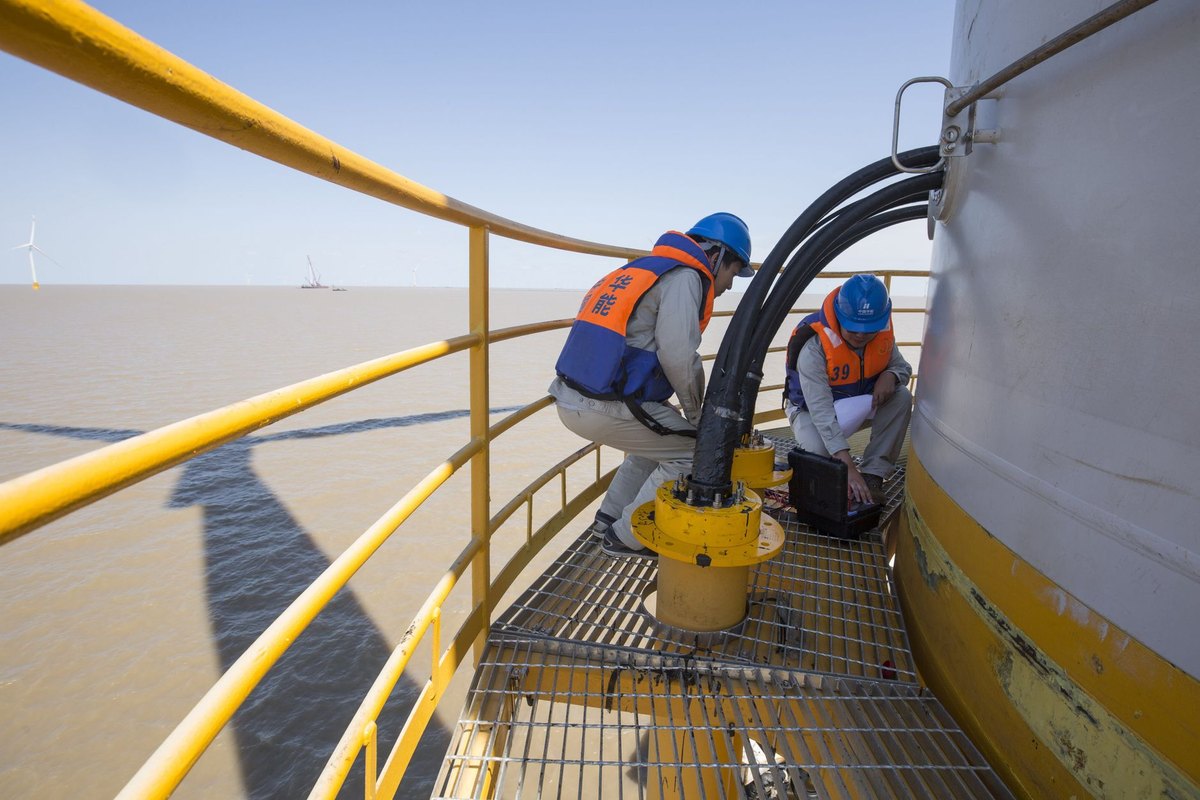
Wind operators can use vibration or drivetrain data to identify developing mechanical problems before a turbine stops. Solar operators can compare actual production with expected output and investigate persistent underperformance. At a biomass facility, changes in equipment load or process stability can expose wear in handling and conversion systems.
The goal is not to replace scheduled maintenance with predictive maintenance everywhere. Some components still need fixed inspections. Others justify condition-based work because failure produces long downtime or expensive secondary damage.
Performance Data Shows Where Aging Is Becoming Expensive
A renewable plant can remain available while quietly losing output. That makes performance monitoring part of lifecycle maintenance, not a separate reporting exercise.
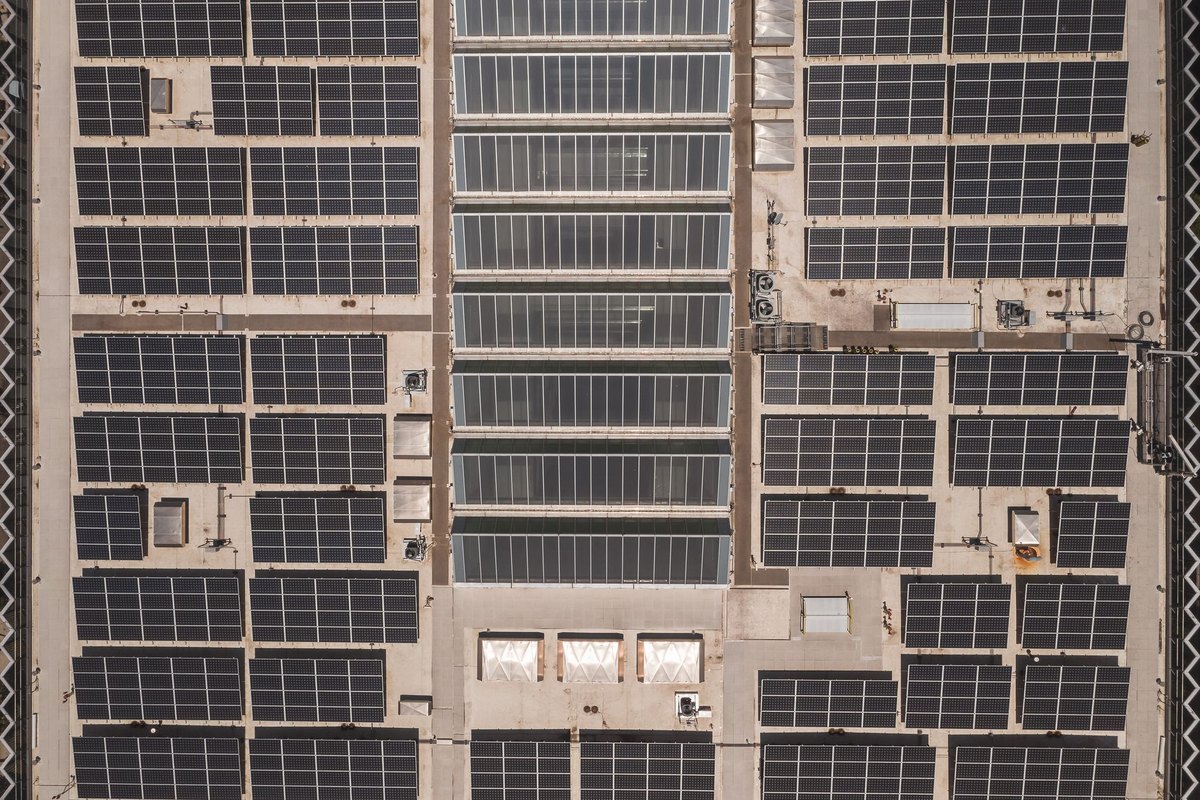
For solar facilities, gradual module degradation is expected. A sudden departure from the plant’s established trend deserves attention because it may point to an inverter fault or another correctable problem. Looking only at total energy production can hide these issues because weather changes from year to year.
Wind facilities face a similar challenge. A turbine may remain operational while mechanical condition deteriorates. Condition data gives operators a chance to schedule work before a component fails.
Bioenergy plants add process variability to the equation. Feedstock characteristics can change equipment loading and affect reliability. When teams compare maintenance records with operating data, they can more confidently separate normal process variation from a developing equipment problem.
Spare Parts Become a Lifecycle Decision
Spare-parts planning changes as a renewable facility gets older.
During the early years, original equipment manufacturers may provide components quickly and support the installed platform directly. Later, electronics may become obsolete while the rest of the plant still has years of productive life left. Operators can then face long lead times for relatively small components that can keep a much larger asset offline.
The maintenance history helps identify where that risk is growing. A component that has failed several times deserves a different stocking decision from one that has operated reliably for a decade.
Older facilities may also need to decide when maintaining an obsolete component family no longer makes sense. Replacing several aging devices with a supported platform can reduce future maintenance difficulty even when the old units have not all failed yet.
Mid-Life Work Can Extend the Value of the Plant
Not every major intervention is a repair.
Wind projects often reach a point where operators evaluate component replacement or partial re-powering. The tower and foundation may still have useful life while other turbine components no longer deliver the reliability or output expected from the project.
Solar facilities face their own mid-life choices. Inverters usually have different service expectations from PV modules, so replacement can become part of normal lifecycle planning rather than evidence that the entire system has reached the end of its life.
Bioenergy facilities may require major work on boilers or feedstock-processing equipment while the wider plant remains economically viable. These projects can restore reliability and may also improve efficiency if newer equipment is installed.
Good maintenance records make such decisions easier because they show how much the existing equipment has already cost to keep in service. Management can compare another repair with replacement using the plant’s real operating history instead of relying only on age.
End-of-Life Planning Should Begin Before the Final Failure
Renewable assets rarely reach one clear moment when everything is suddenly worn out. Different parts of the facility age at different rates, which makes end-of-life planning a sequence of decisions.
A wind project may be repowered while portions of the original infrastructure remain in use. Solar modules may still produce electricity after decades of operation, even though declining output or newer technology changes the economics of keeping them. Some components can be reused or recycled when retirement finally comes.
Planning earlier gives owners time to compare continued operation with refurbishment or decommissioning. It also gives them time to understand disposal obligations before large volumes of equipment need to leave the site.
The maintenance record becomes especially valuable here. Years of failure history and performance data show how the asset has actually aged. That information can support a decision to extend service life when condition remains good, or justify retirement when reliability has become too expensive to preserve.
Renewable energy maintenance is therefore much more than keeping equipment running between scheduled inspections. It is a long record of how the facility changes and what each intervention achieves.
Facilities that preserve that history can make better decisions at every stage of ownership. They can identify deterioration earlier, plan major work with more confidence, and avoid treating end-of-life as an unexpected event after years of operation.