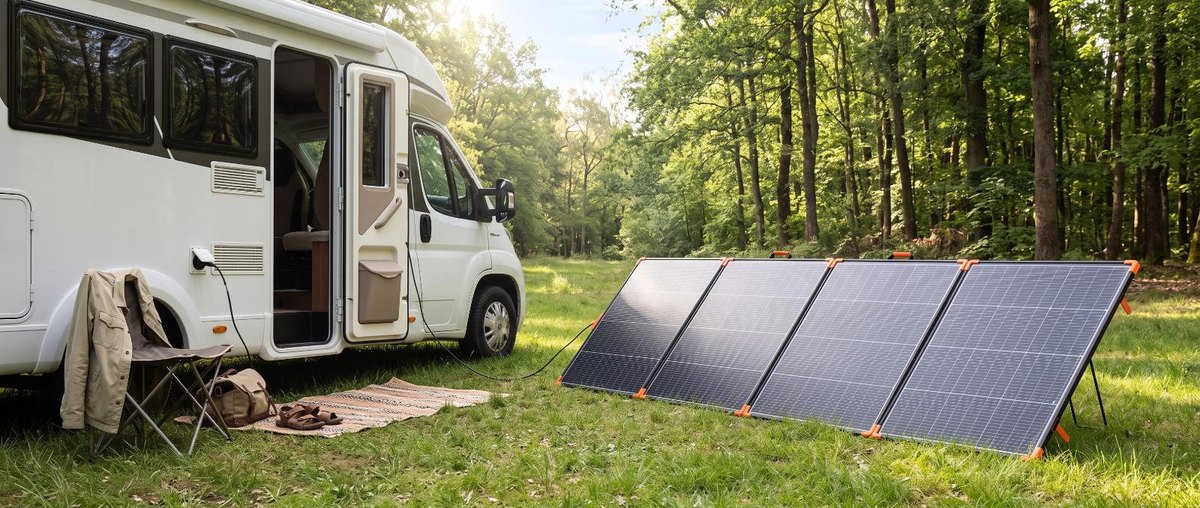

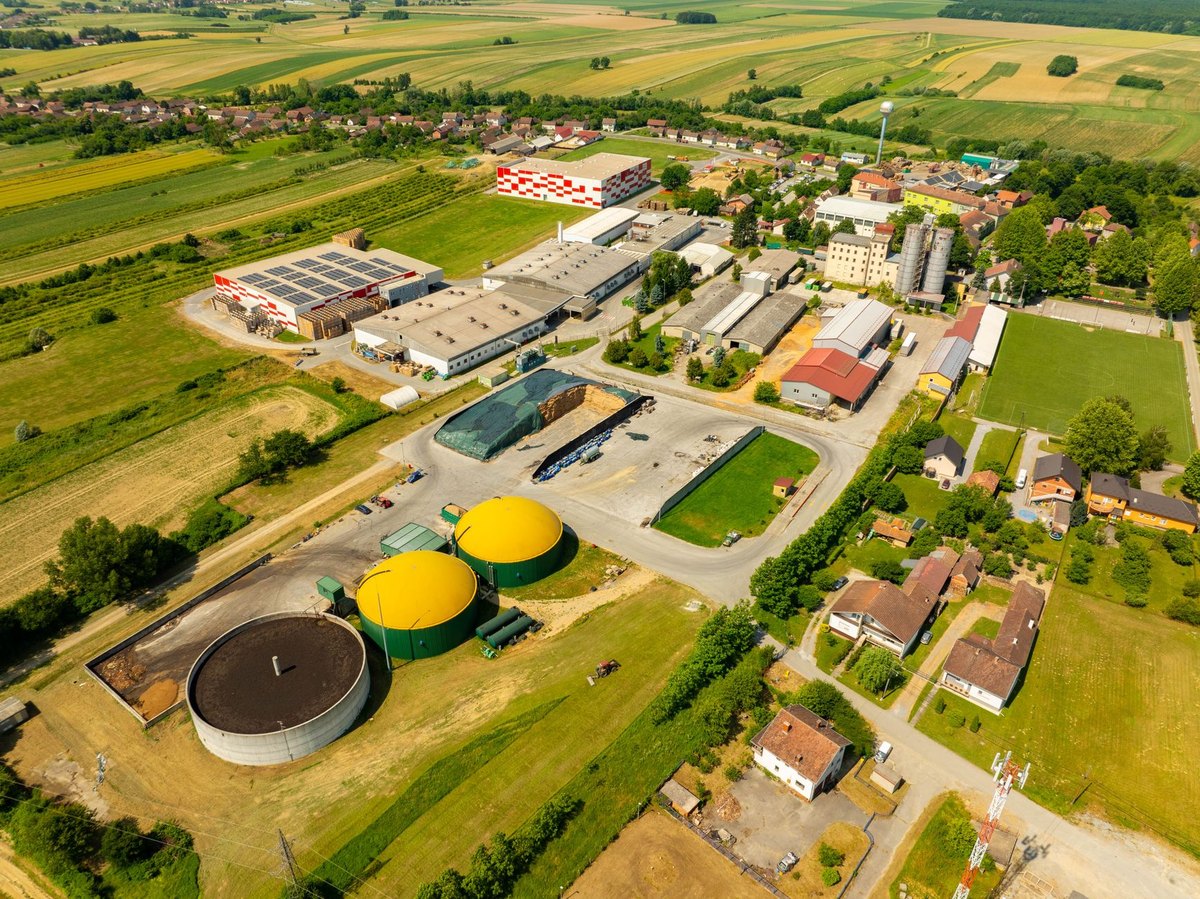
Solar power lets you generate your own electricity using sunlight. If you live in a location where power lines are far away, or you face daily power cuts for long hours, solar power is one of the best options.
Sunlight is free, panels have no moving parts, and they need very little care. But solar has one weakness. It only works when the sun is out.
That is where bioenergy comes in. Put the two together, and each one covers the other’s gaps. Here is how that works.
In This Article:
What Solar Does Well, and Where It Falls Short
Solar power is generated during the day. On a clear day, it can cover most of what a house or farm needs. After the solar panel installation, the fuel costs nothing.
The problem is timing. Panels produce no power at night and make less on cloudy days and in winter. Most homes use a lot of power in the evening, when the sun stops producing.
For remote properties, combining solar generation with battery storage can improve energy reliability while reducing dependence on conventional power sources. Learn more about solar-plus-storage systems for off-grid properties.
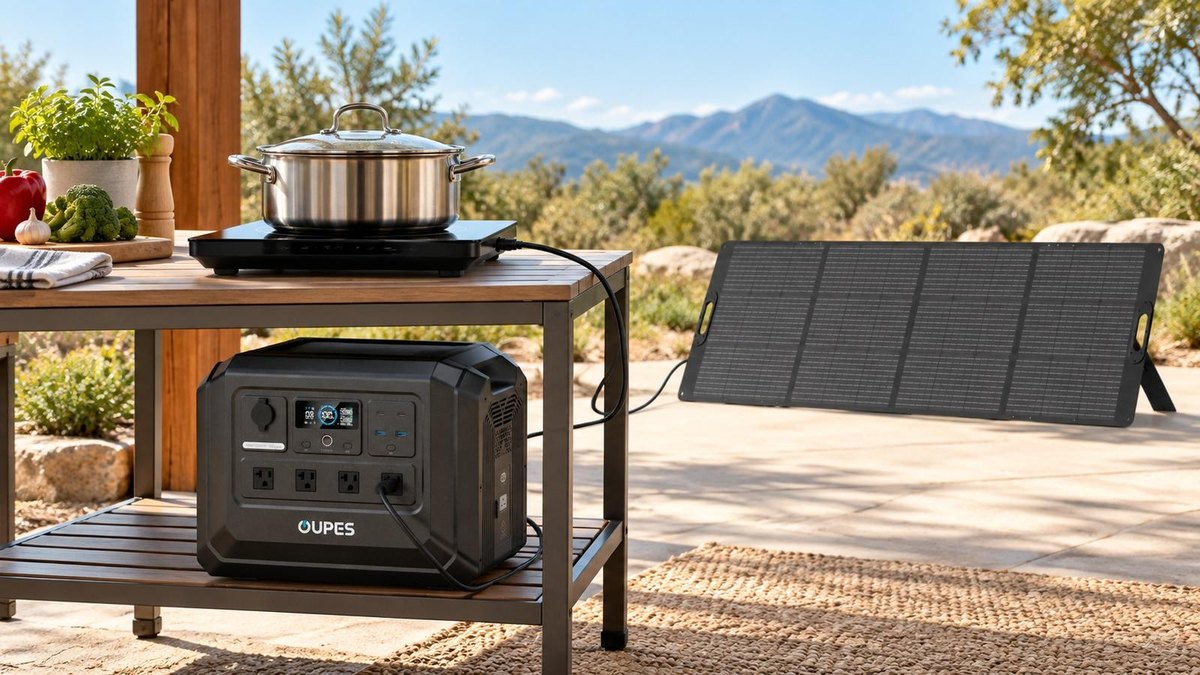
A battery fixes part of this. It stores the extra daytime power for use after dark. But batteries cost money, and sizing one to carry you through several cloudy days or a long winter gets expensive fast. In a very remote spot, that gets hard to justify.
What Bioenergy Brings
Bioenergy is the power or heat generated from the decomposition of organic waste material. It can be any organic material such as food scraps, wood offcuts, crop waste, or animal manure.
There are two common ways to use it.
- Biogas: When organic components are broken down in an oxygen-free environment, such as cow dung, food waste, and sewage. This process generates methane (CH₄) and carbon dioxide (CO₂). This can be used for electricity generation.
- Biomass: Biomass refers to organic materials from plants, such as wood, rice husks, and sugarcane, as well as animal waste, that can be used as an energy source. This produces heat, electricity, and biofuel.
The big advantage of bioenergy is that you can control it. You can run a bioenergy generator during the day, in the evening, or at night. It does not depend on the weather. Energy people call this “dispatchable” power, which just means you can switch it on when you need it.
How the Two Work Together
Solar and bioenergy are good, different-site options, so they complement each other well.
Solar does the daytime work. The panels power the house by absorbing sunlight and, with the help of a solar inverter, supplying electricity to the home appliances.
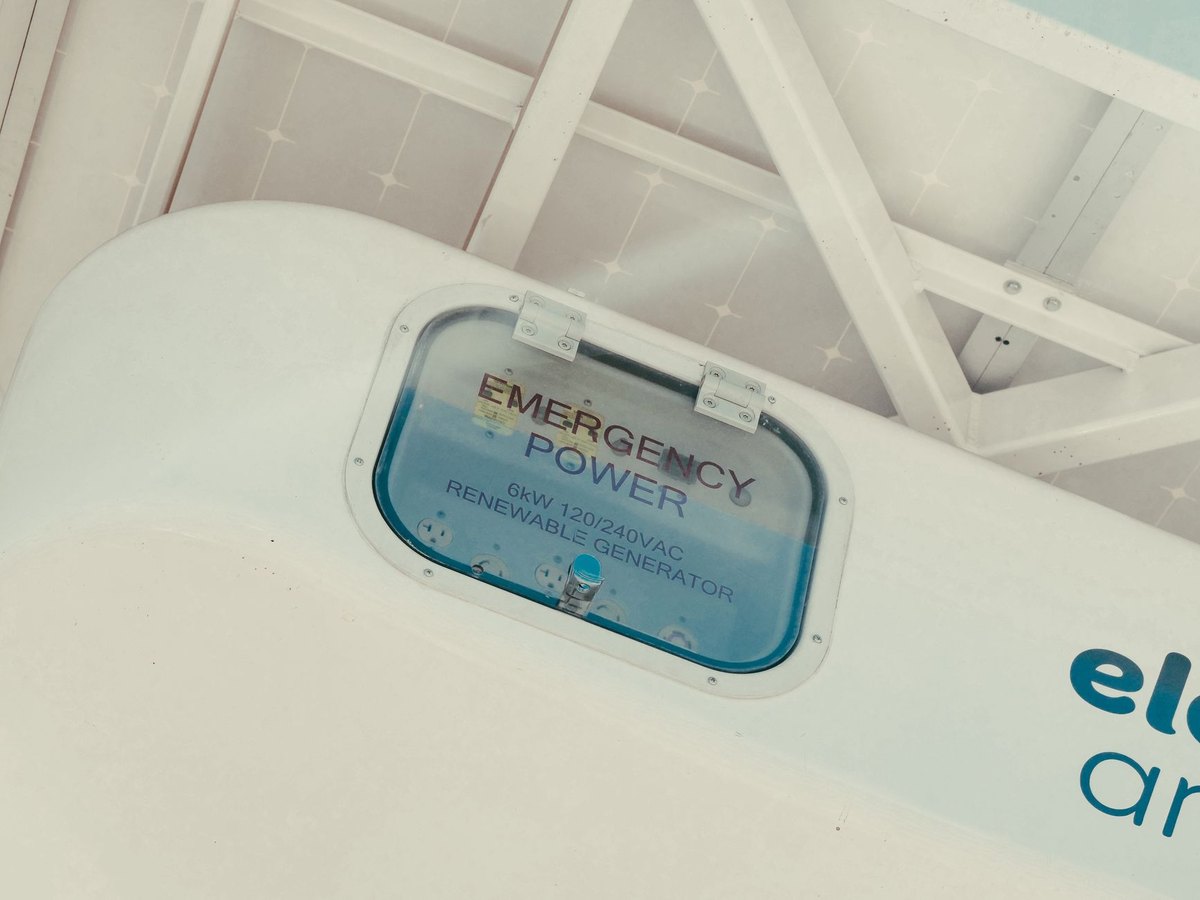
Bioenergy covers the gaps. When the sun is down or the weather is poor, the generator steps in. It also tops up the battery, so you don’t have to oversize it.
Both can smooth out the seasons. Solar output drops in winter. Some bioenergy sources, such as animal waste, are steady all year, so they help fill the winter gap.
The result is a system with a smaller battery and a smaller generator than you would need if you relied on either one alone. That keeps the cost down.
Where Solar Makes the Most Sense
Solar power can be especially useful for rural homes, cabins and properties with limited access to the electricity grid. Read this practical guide to solar energy for off-grid homes.
In remote areas, solar power is most suitable because it is cheaper than bioenergy and requires low maintenance. After a one-time investment, your property will save money on electricity bills.
Adding a solar battery with solar panels is a smart decision for homeowners; it adds energy independence to your home.
But if you already have a steady supply of organic waste, the case for adding bioenergy gets much stronger.
It is less of a fit for a normal suburban home. There, you can usually stay connected to the grid and get the same result with solar panels and a battery.
Things to Think About First
Bioenergy is not set-and-forget. A digester needs regular feeding and checking. A biomass system needs a steady supply of fuel and a place to store it. The upfront cost is higher than solar alone, and you need to run the numbers for your own site.
A few questions help you decide:
- How much power do you use, and when do you use it?
- Do you have a steady supply of organic waste?
- How far are you from the grid, and what would a connection cost?
- Are you happy to look after a bioenergy system, or do you want something with very little upkeep?
The Bottom Line
Solar power is affordable, but it stops when the sun goes down. If you don’t add a battery to your solar system, it will be difficult to run appliances at night or during a power cut. On the other hand, bioenergy is more expensive to set up and requires more attention.
If you are thinking about solar for an off-grid property, the best starting point is to look at how much power you use and when you use it. A solar installer can help you size the panels and battery, and you can determine whether bioenergy is worth adding to fill the gaps.