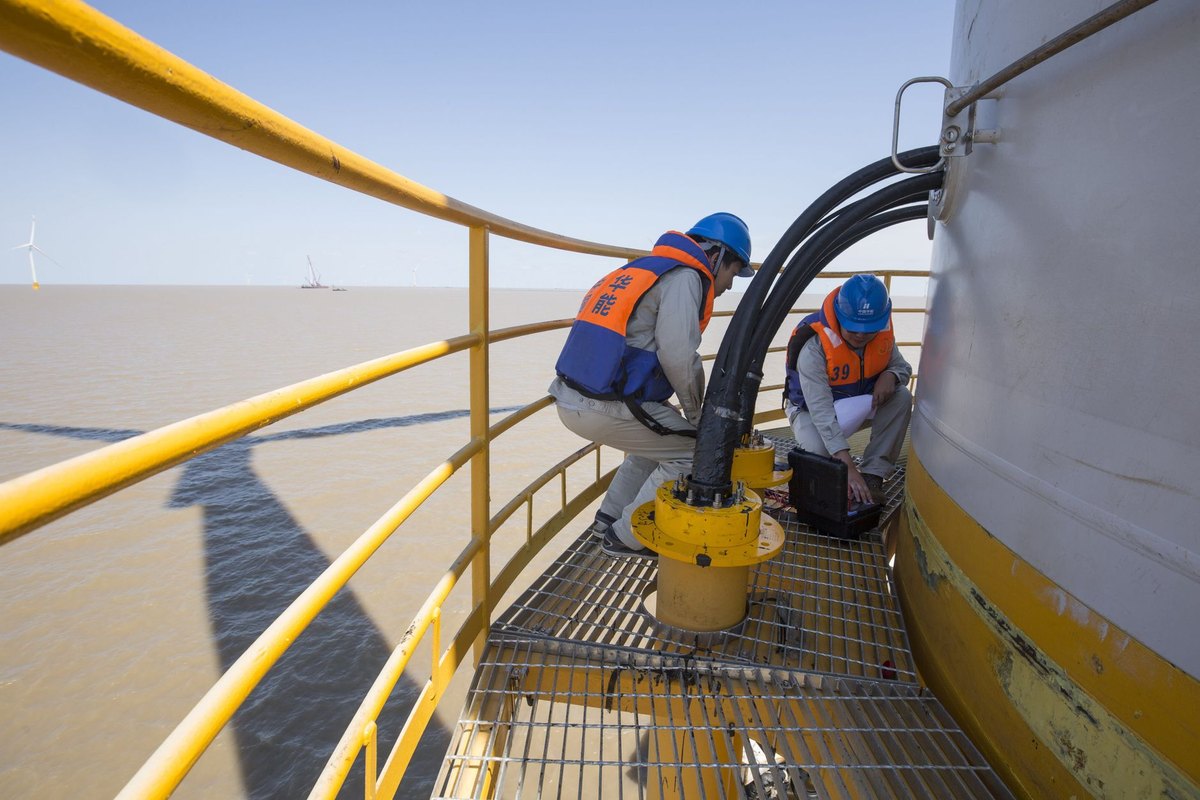

Bioenergy plants do not have the privilege of taking snow days. It can be a biomass plant in the centre of a Canadian winter or a biogas digester in a stuffy summer in the Gulf Coast, the equipment still works—at least, it is intended to. The fact is that severe environmental and industrial conditions cause huge stresses on all the parts of the system, starting with the largest turbine to the smallest electrical connector.
Safety in these environments is not only about avoiding accidents, though this is evidently the priority. It’s also about reliability. The malfunctioning of equipment during a working process not only poses a danger, but also leads to losses of time and money as well as in certain instances, severe regulatory problems. How do you really construct and operate safer bioenergy equipment when everything is against you?
In this article:
Begin With Environmental Ratings—And Take Them Seriously
All electrical and mechanical devices have environmental ratings and it is easy to think of them as checkboxes instead of actual design decisions.
- Enclosure Ratings: Enclosure is IP65 and resists dust and low pressure water jets. That would be all right in a controlled indoor. However a coastal biogas facility that has to work with salt air, humidity and the frequent occurrence of Category 1 storms will require at least IP67 or IP68 ratings.
- Temperature Ranges: Similar reasoning is same when it comes to temperature ranges. When your facility is in extreme cold, then the material of seals, cables and housings must be able to resist thermal contraction without cracking.
- Heat Management: In hot climates—where there is, particularly, a combustion system or a heat exchanger—you’re looking at the opposite problem. Equipment rated for “standard” industrial temps may degrade much faster than expected when it’s sitting next to a high-temperature dryer or a flue gas system.
Electrical Wiring and Cabling: The Underrated Risk
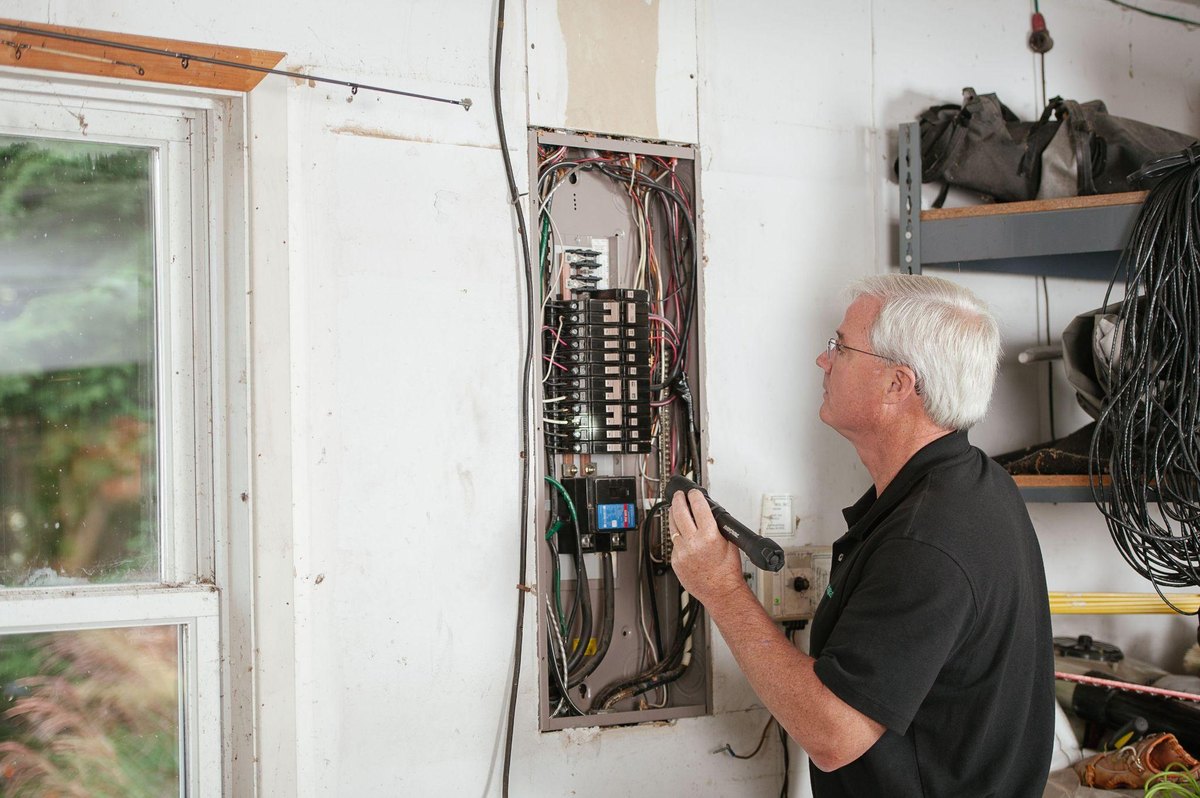
It is no wonder that electrical failures cause a large part of industrial fire, and bioenergy plants are not an exception. Exposed wiring which is subjected to moisture, vibration, chemical vapors or physical abrasion over months and years is an actual liability.
Sourcing and Specifications
This is the point whereby the sourcing and specification of wiring components take much more importance than the other operators can assume. Working with a reputable wire harness supplier who understands the specific demands of bioenergy environments—not just general industrial specs—can make a meaningful difference.
The right harness will feature:
- Insulation materials appropriate to the current operating conditions.
- Connector cases which resist the particular chemicals in the facility.
- Strain relief designs which can withstand the vibration caused by the pumps, augers and blowers.
Proper Routing
Routing also matters. Cables which pass close to hot objects, sharp edges or moving objects should be properly covered; conduit, cable trays or protective sleeves should be used and not simply zip-tied aside and left to chance.
Corrosion: The Slow Threat
The bioenergy environments are especially hostile with regard to corrosion. Biogas digesters can produce hydrogen sulfide, biomass feedstocks can contain acids, and the humidity in fermentation or combustion areas is always constantly humid and may assertively corrode poorly-protected parts extremely rapidly.
Material Selection and Protection
- Resistant Materials: Housing made of stainless steel and alloy made of aluminum and polymer perform better in the environment than the normal carbon steel.
- Coatings: Coatings are also beneficial, but not until they are properly applied and regularly checked-up—a coating that has already begun to flake out will in fact corrode faster beneath it.
- Internal Components: In the case of electrical parts, in particular, conformal coatings on printed circuit boards and closed connector systems would do much good in the facility where moisture and chemical vapors are not an occasional problem but a regular one.
Design for Maintenance Access
This is the one that is so self-evident yet is ignored time and again when it comes to cramming more features in a small area. The hard to inspect equipment becomes the equipment that is not inspected. And in severe circumstances, it is there that issues are compounded by that inspection that is missed.
Design and assembly decisions aimed at facilitating maintenance access such as hinged panels as opposed to full disassembly, and labeling along with component positioning, thus, are handsomely profitable every time a technician has to spend time in a shrunk-up or cold or wet environment. All emergency shut off switches should be easily accessible without any heroics needed. Critical sensors should be located where they can actually be swapped out by a technician without taking half the system offline.
The Role of Quality Manufacturing Standards
It is worth taking a step back and reflecting on the point of failure. In most instances, it starts much earlier than installation, in the way things were made.
The quality and consistency of wire harness manufacturing, for instance, directly affects how assemblies perform under mechanical stress and temperature cycling over time. Harness constructions that have been designed to meet the requirements of the correct IPC/WHMA-A-620 standards, with documented process control and traceability, perform predictively in the field environment. Those that were constructed without the said controls may appear the same when they reach their destination but may exhibit degradation patterns that are much earlier than anticipated.
One of the least exploited tools in industrial equipment safety is specification of standards in procurement, not only of product specifications, but also manufacturing process certification.
Monitoring, Not Just Maintenance
Condition-based monitoring is becoming more viable and cost-effective to bioenergy operations, but scheduled maintenance will always have its role.
- Vibration Sensors: Monitors vibration on the motors to detect early wear.
- Thermal Imaging: Constant observation of thermal images by walkthroughs to find hotspots.
- Gas Sensors: Constant gas sensors during operation to detect leaks early.
The harsh environment argument in fact plays to the advantage of this approach. In hard times the gap between when something begins to go wrong and when something has gone disastrously wrong can often be very short. Real time information will provide you with that window back.
Bringing It All Together
In difficult environments, it is not just a one-layered solution to make bioenergy equipment safer, but a multi-layered solution. It involves creating the correct environmental ratings at the beginning, getting parts out of suppliers that can see the industrial requirements, consideration of corrosion and electrical integrity, design of the human that will take care of it and overseeing the monitoring of systems such that a problem is noted early enough.
This is not difficult in principle. The only obstacle is persistence in implementing it, particularly when the budgets are small or project schedules are pressuring choices that ought to need prolonged durations. In a business where operating conditions are consistently inhospitable, however, these basics are what set the difference between facilities that operate properly and those that fail.