

Ever sit at your desk and wonder if your job is hurting the planet? You recycle magazines. You bring your own bag to the store. Then you get to work and print fifty pages you barely need. It can feel frustrating. Like your values clock out the moment you clock in.
Here’s the good news. You don’t need to quit and find a job in sustainability. You can make your current role greener right where you are. It just takes awareness. And a bit of courage to speak up. Here are six ways to start.
In this article:
1. Change Wasteful Work Habits
Sometimes, work feels like a series of wastes. You print pages you never read. Lights are left on in empty rooms. These sound harmless. But they can hurt the environment.
You can change these bad habits. Make recycling part of your routine. Sort plastics and paper carefully. Use reusable water bottles instead of disposable cups. Switch off the lights after meetings. Even tiny changes reduce your carbon footprint.
The office starts using fewer resources. Work feels lighter. Your efforts show that sustainability is doable at any job. Over time, the whole team can adopt better habits. That creates a culture of efficiency.
2. Advocate for Energy Efficiency in Your Workplace
Many workplaces use more energy than necessary. Old machines hum constantly. Lights burn all day. Heating and cooling run too strong. It wastes money. Even worse, it harms the planet.
Speak up about it to management. Suggest monitoring energy use. Recommend better systems. Talk about installing renewable energy sources, like solar panels. Upgrade to LED lighting. Consider motion sensors for low-traffic rooms. That way, you save a ton of energy. Evaluate old HVAC units for efficiency, too.
The payoff is real. Not just for you and other workers who are eco-conscious, but for your place of work, too. These improvements make operations smarter and ready for sustainability standards. Energy bills drop. Emissions shrink. The workplace becomes cleaner. Employees take pride in being more responsible.
3. Push for Low-Impact Transportation Policies
Commuting can add a hidden environmental cost. Driving alone every day creates traffic. It contributes to pollution. It wastes fuel. Money, too. It increases carbon emissions even before work starts.
Find ways to minimize this. Advocate for sustainable transport options in your workplace. Promote public transit incentives. Suggest carpool programs. Ask about potentially having bike racks and EV chargers at work. Suggest flexible scheduling if it’s a possibility. That can help reduce peak-hour driving.
These steps reduce emissions. Office workers contribute less to environmental damage. Over time, commuting habits shift. Your workplace becomes a leader in low-impact practices.
4. Take Courses on the Latest Green Practices
Sometimes, you worry that your work itself isn’t as eco-friendly as it could be. You follow old routines and codes. That gap can limit your impact.
Taking courses keeps your knowledge fresh. Learn about energy efficiency. Learn sustainable operational practices. Attend workshops on green materials. Read up on low-energy designs. Apply what you learn immediately.
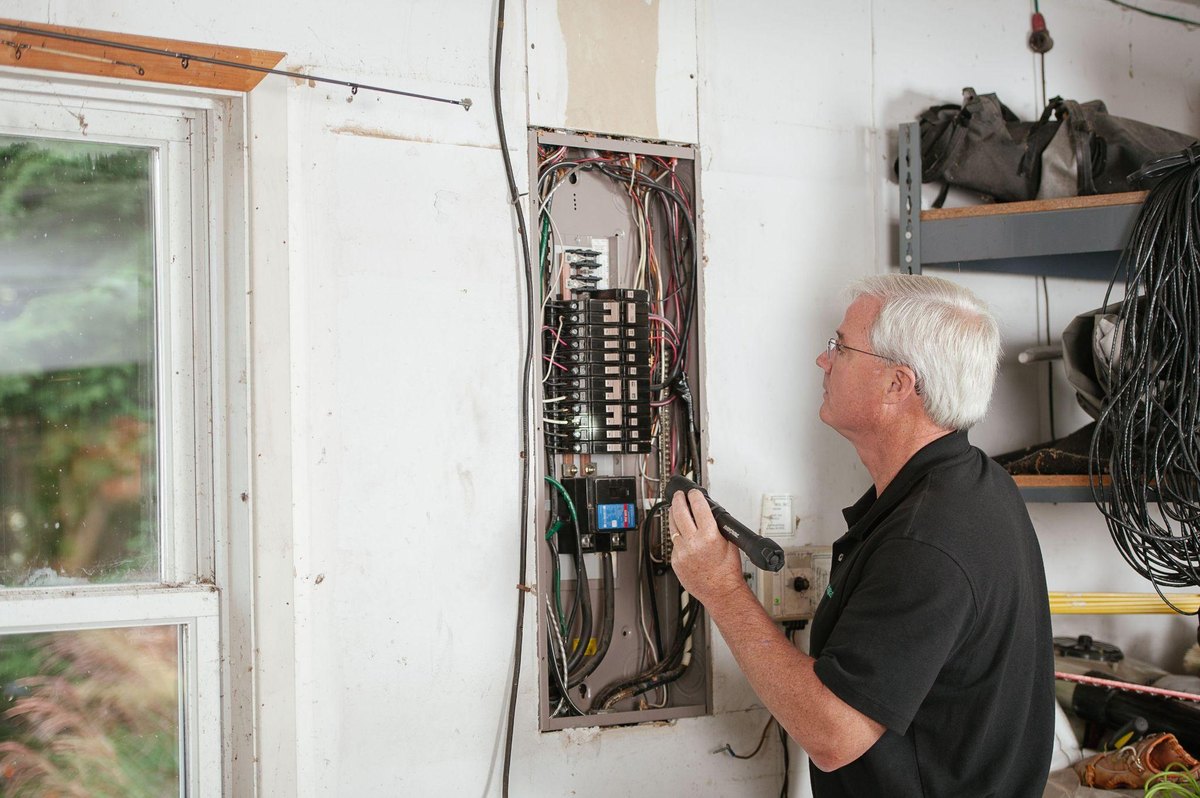
Let’s say you’re an electrician. You want to be more eco-conscious. In some states, like Utah, you must complete continuing education to keep your license. When taking these Utah electrical continuing education classes, focus on green codes. Do a deep dive on energy-saving methods. Home in on energy-efficient wiring. Learn how smart meters work. Apply sustainable lighting standards to your daily work. This improves your work. It reduces environmental harm.
5. Choose Sustainable Vendors
Don’t overlook the environmental cost of the suppliers you work with. Cheaper options often come from energy-heavy processes. Shipping might rely on fossil fuels. Packaging can be single-use plastic. These add up. They increase your job’s carbon footprint.
Look for suppliers committed to eco-friendly production. Ask about recycled materials. Discuss low-impact processes. Evaluate shipping methods for carbon footprint. Consider vendors who use renewable energy in manufacturing. Make informed choices. Then, track the environmental improvements from switching suppliers.
These decisions add up. Small purchasing choices ripple outward. The office reduces its footprint. You help create a workplace that genuinely supports sustainability, even behind the scenes.
6. Transition Paper Systems to Digital
Paper use seems harmless. But then, you notice the pile. Contracts, reports, and forms stack up. They end up being mere clutter on desks. Filing cabinets overflow. Energy is wasted producing all that paper. Even recycling doesn’t erase the footprint. They also make work less efficient. Paper-heavy workflows slow processes. They drain resources.
Consider switching to a paperless system at work. Scan documents. Save digital copies in the cloud. Use shared drives for collaboration. Replace paper forms with online versions. Automate recurring forms digitally. Encrypt files for security. Teach others to do the same.
The result? Clutter disappears. Work runs more smoothly. Fewer resources are used. Teams can find information instantly. Sustainability becomes an effortless part of your everyday tasks.
Conclusion
You don’t have to overhaul your life to work more sustainably. Eco-conscious work doesn’t require a new job title. You can start today, no matter your role. Tighten up wasteful habits. Push for smarter energy use. Choose better vendors to work with. When you shift how you work, you shift what your workplace normalizes. Policies evolve. Budgets adjust. Energy use becomes more efficient.
As those choices stack up, your environmental impact grows. You cut emissions. You save resources. You reduce waste that would otherwise end up in landfills. These shifts add up to real change for the planet.