
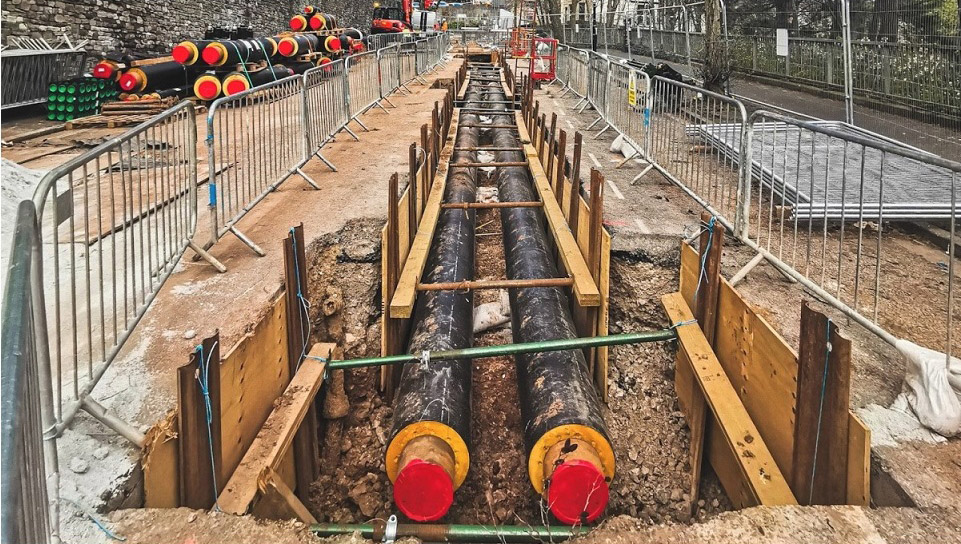
As the UK accelerates its transition away from fossil fuels, heat networks are moving from a niche solution to a central part of national decarbonisation plans. They already supply heating and hot water to more than half a million homes, along with hospitals, universities, and commercial buildings. By 2050, that number is expected to grow significantly.
Yet behind the expansion lies an uncomfortable truth. Many existing heat networks are operating far below their potential efficiency, increasing costs for consumers and undermining confidence in the technology at the very moment it needs public trust.
Industry specialists warn that the next phase of heat network growth will depend less on rollout speed and more on fixing what already exists.
In this article:
Efficiency Is Now the Weak Link
Heat networks are often presented as inherently efficient because they centralise heat generation and reduce reliance on individual boilers. In practice, performance varies widely.
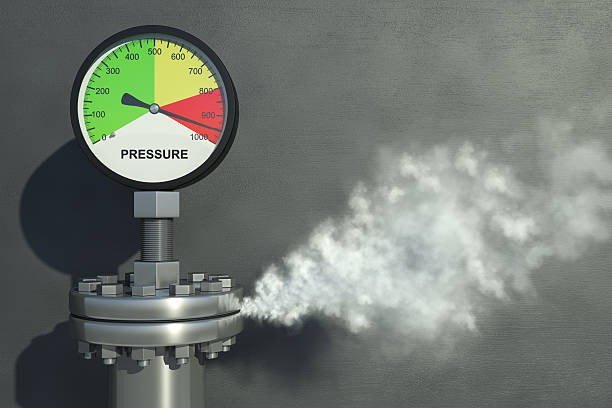
High distribution losses, poorly balanced systems, outdated controls, and limited monitoring mean some networks waste large amounts of heat before it ever reaches a property. The result is higher bills, lower carbon savings, and frustrated end users who feel locked into systems they cannot control.
According to engineers working in the sector, these issues are rarely caused by a single fault. They tend to reflect early design decisions, historic underinvestment, and a lack of long-term operational oversight.
Why Retrofitting Matters More Than New Build
Much of the current policy focus has been on expanding heat networks into new developments. While that is important, experts argue that upgrading existing networks could deliver faster and more reliable carbon reductions.
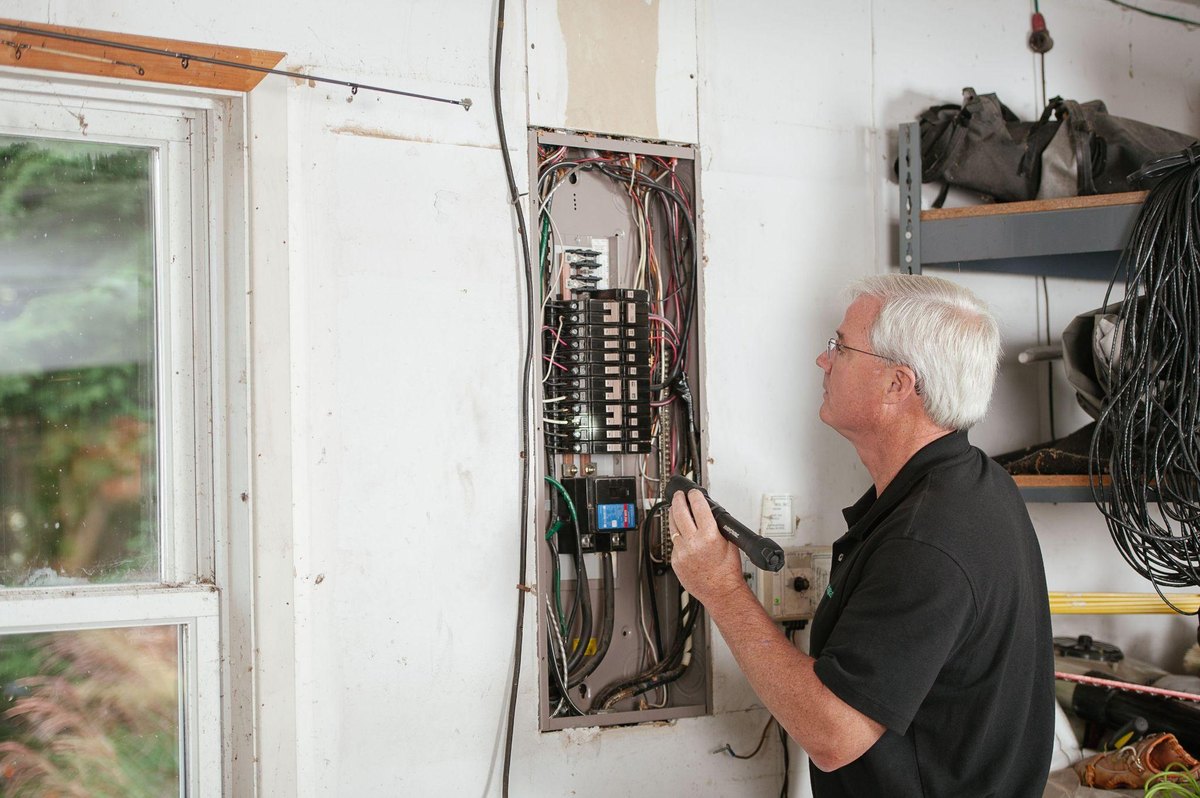
Targeted improvements such as pipe insulation upgrades, hydraulic rebalancing, control optimisation, and real-time performance monitoring can dramatically improve efficiency without major disruption to residents.
This is where structured support becomes critical. The government-backed Heat Network Efficiency Scheme provides funding specifically aimed at improving the performance of existing networks, helping operators identify technical shortcomings and implement cost-effective upgrades.
By focusing on measurable efficiency gains, the scheme acknowledges a key reality. Heat networks only support decarbonisation goals if they actually operate efficiently in the real world.
An Expert View From the Front Line
Sustainable Energy, a UK-based specialist working across district heating and low-carbon infrastructure, sees firsthand how efficiency gaps emerge and how they can be resolved.
From their experience, the most successful projects share three traits. Clear performance data, long-term operational planning, and early engagement with technical specialists who understand both engineering and user outcomes.
They also note that efficiency upgrades are not just an engineering exercise. Transparent communication with residents and building managers plays a major role in restoring confidence and ensuring changes deliver real-world benefits.
As one senior consultant explains, improving a heat network is often less about radical technology shifts and more about making existing systems work as they were always intended to.
A Turning Point for the Sector
With energy prices still volatile and public scrutiny of infrastructure projects increasing, inefficient heat networks represent a growing reputational risk for the sector.
Schemes like the Heat Network Efficiency Scheme signal a shift in policy thinking. Performance now matters as much as expansion. Data matters as much as ambition.
For heat networks to become a trusted cornerstone of the UK’s low-carbon future, efficiency can no longer be treated as an afterthought. It must be the benchmark by which success is judged.
The number of pipes laid will not write the next chapter for heat networks, but by how well the heat actually flows.