
Reaching net-zero carbon emissions is one of the defining challenges of our time. Companies and governments alike are under increasing pressure to not only set ambitious sustainability goals but to prove they are making real progress. However, measuring and verifying carbon reduction efforts remains a major hurdle. How do we ensure emissions are truly decreasing? How can we track environmental changes on a global scale?
This is where satellite data is changing the game. From monitoring deforestation and tracking methane leaks to verifying carbon offset projects and optimizing renewable energy sites, satellites provide a level of accuracy and transparency that was once impossible. With this technology, organizations can move beyond estimates and assumptions, using hard data to drive real impact. Through advanced monitoring tools, businesses can find and see live satellite images of an AOI, gaining real-time insights into critical environmental changes and improving decision-making processes.
In this article:
ESG and Why it Matters
Environmental, Social, and Governance (ESG) criteria have become central to the way businesses, investors, and policymakers assess long-term value and sustainability. ESG is a holistic framework that measures a company’s impact not only on its financial performance but also on society and the environment. For businesses, this approach signals a commitment to responsible practices that align with modern ethical standards and evolving consumer expectations. For investors, ESG has become a critical lens through which they evaluate risk and opportunity, with growing evidence that sustainable practices contribute to superior long-term returns. Policymakers, on the other hand, are increasingly integrating ESG factors into regulations to encourage a more sustainable global economy.
The environment component is central to ESG and has a focus on limiting a company’s carbon footprint, managing climate-related risk, and actions that protect our world for future generations. This relates to things like water use, energy usage, dealing with waste, and the most important — carbon emissions. Due to the increasing challenges of climate change in the world, limiting carbon emissions is now extremely important to be able to have a different and sustainable future. However, to be able to do this successfully, companies must have data. Good intentions need to be supported by accurate and reliable information to back up each decision, assess progress, and provide transparency for stakeholders.

Tracking Carbon Emissions from Space
With the help of remote sensing technology, satellites can help detect carbon dioxide (CO₂) and methane (CH₄) emissions from diverse sources like industrial facilities, transportation systems, and agricultural activities. This technology provides a level of accuracy that was previously unattainable, allowing for continuous monitoring of emissions across large areas and offering a clearer picture of the sources contributing to climate change. By using live satellite imagery, experts can gain immediate insights into emission hotspots and take prompt action.
For instance, satellites aid in spotting methane leaks from pipelines and oil rigs, tracking emissions from trucks and planes, and monitoring carbon releases from farming practices. This data is crucial for both governments and businesses, as it helps identify the biggest culprits of emissions and measure progress towards reducing them. With this real-time visibility, organizations can take more targeted actions to lower their emissions, while governments can refine policies to meet climate goals.
Protecting Forests
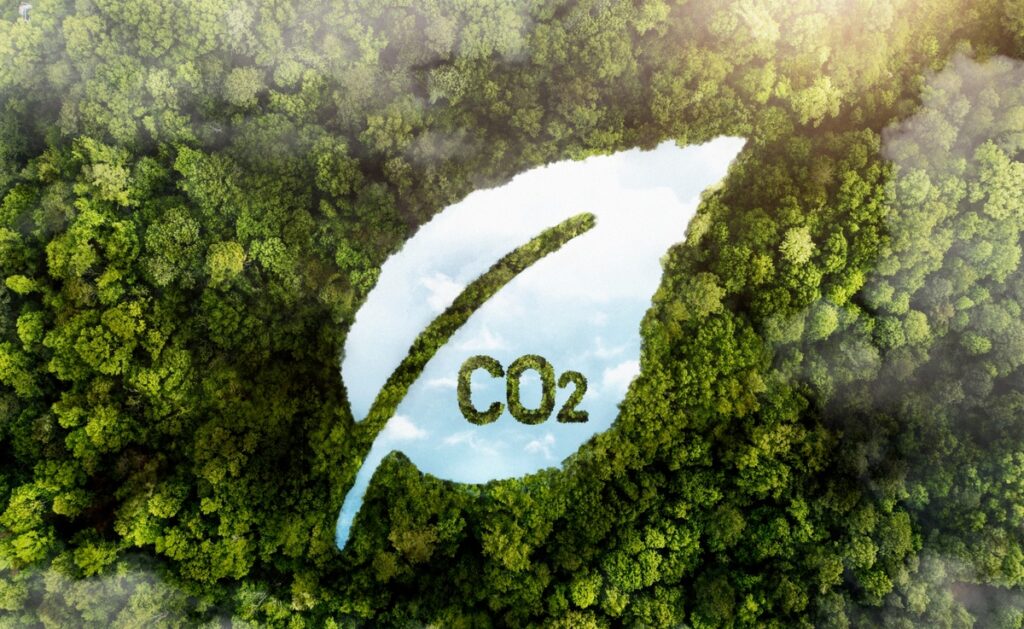
Forests play a critical role in combating climate change by acting as natural carbon sinks, absorbing vast amounts of carbon dioxide from the atmosphere. Satellites are key tools in tracking the health and changes of these vital ecosystems, offering precise data on deforestation, reforestation, and land-use alterations. Using satellite imagery, authorities can closely monitor forest cover, detect illegal logging activities, and assess the overall health of forests across vast regions, even in remote areas. With the ability to view live satellite images of these forests, experts gain real-time insights into the state of these ecosystems.
This knowledge is crucial for enforcing environmental laws and supporting conservation efforts. By identifying illegal logging in real time, satellites enable quicker responses to protect vulnerable areas. Additionally, satellite data helps assess the effectiveness of reforestation initiatives and track how land-use changes impact carbon sequestration. In this way, satellites are not only helping to preserve forests but are also strengthening efforts to maintain them as vital contributors to global carbon reduction goals.
Enabling Renewable Energy and Sustainable Infrastructure
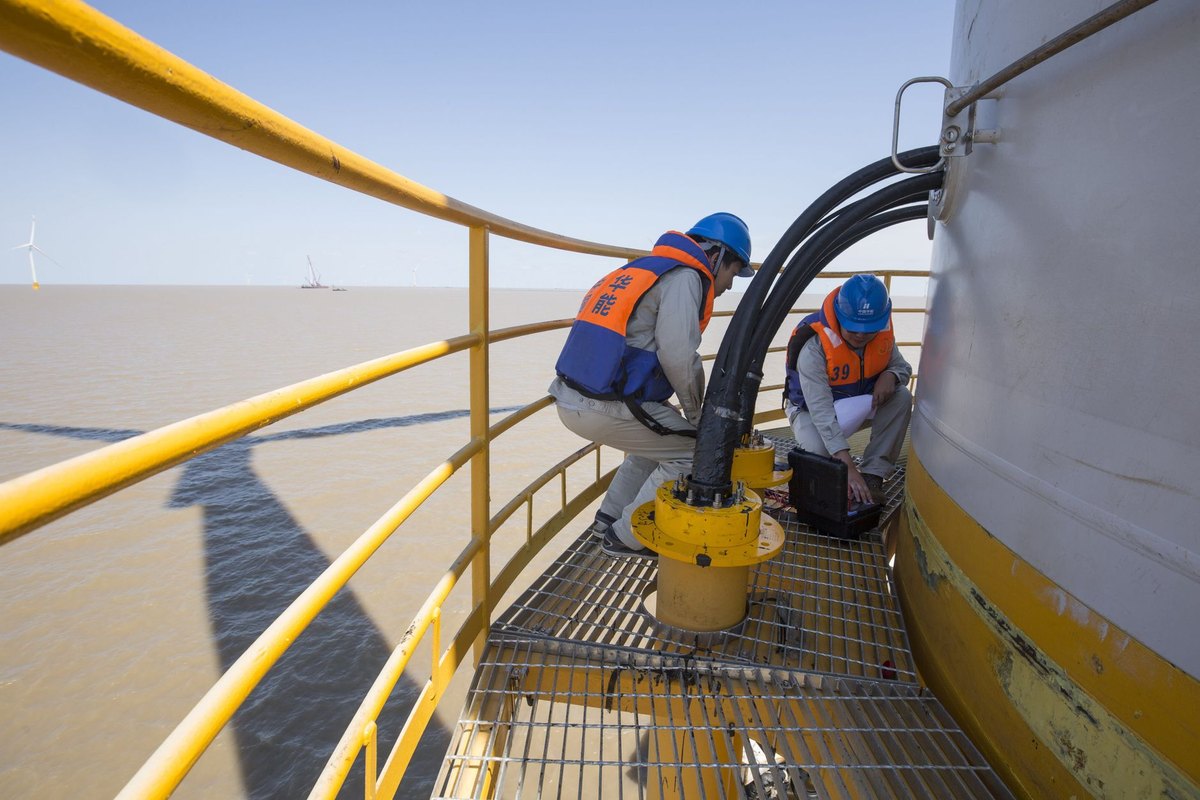
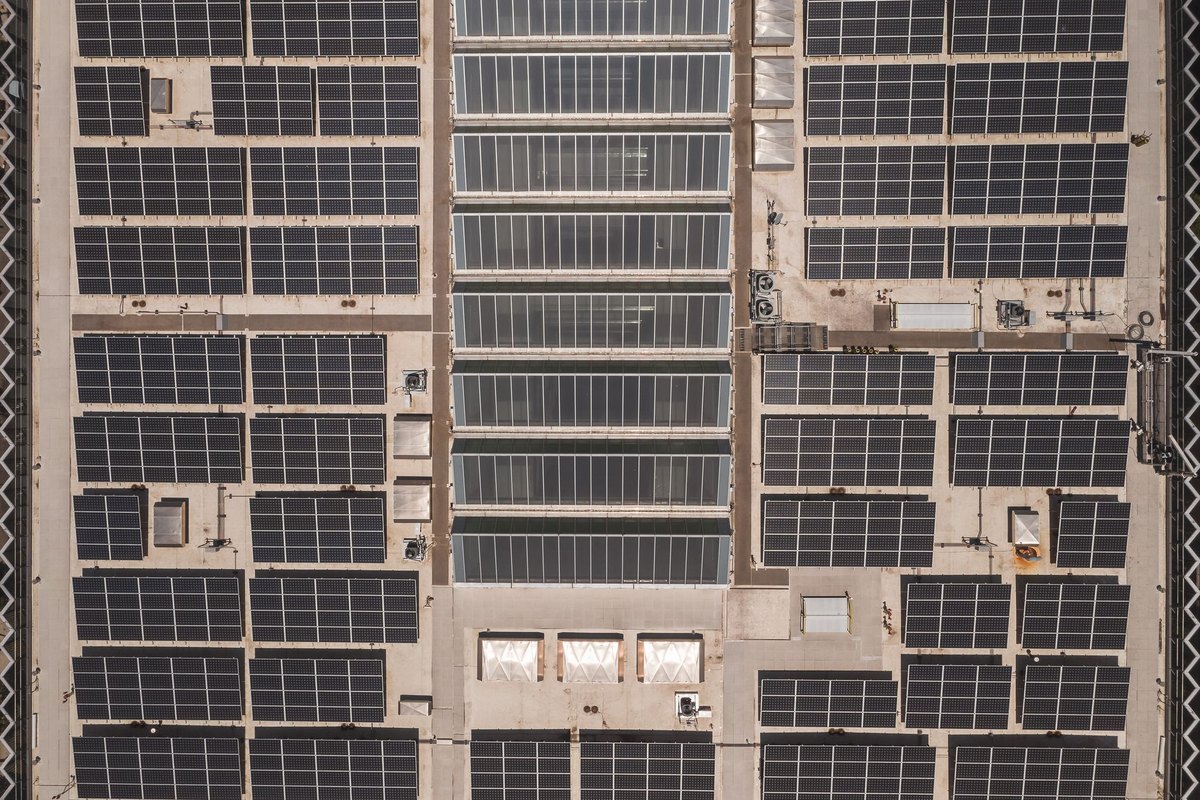
Satellite data is a game-changer in the planning and optimization of renewable energy projects, particularly solar and wind farms. By providing detailed insights into geographical features, solar irradiance, and wind patterns, satellites help developers identify the best locations for these projects, ensuring maximum efficiency. This precise data reduces risks, accelerates project timelines, and enhances the transition from fossil fuels to clean energy sources.
Beyond energy production, satellites also play a key role in sustainable urban planning. They offer real-time data on land use, transportation networks, and infrastructure, enabling city planners to design smarter, more energy-efficient cities. This includes optimizing transportation routes to reduce emissions, improving public transit systems, and making better use of renewable energy in urban environments. With satellite data, cities can lower their carbon footprints, making strides toward sustainability while improving quality of life for residents.
Satellite technology and live satellite images of Earth in particular have become indispensable for organizations working to reach net-zero carbon goals within their ESG strategies. It goes beyond just tracking emissions — it provides the data necessary to protect forests, optimize renewable energy projects, and guide smarter urban planning. Satellites offer a level of insight that helps businesses pinpoint where they can reduce their carbon footprint, ensure conservation efforts are truly making an impact, and accelerate the shift to clean energy. With this powerful tool, organizations can transform their sustainability ambitions into actionable, measurable outcomes that move us closer to a carbon-neutral future.