
In today’s tech, bioenergy plants are no longer just industrial sites; they’re interconnected digital ecospheres. Even most international experts report that energy infrastructure today faces rising cyber threats as systems become more interconnected. Some threat intelligence platforms now have ranked energy among the most targeted critical sectors in the past few years.
This is why, if you’re running a biomass or waste-to-energy facility, cyber resilience is now mission-critical, and you need high-end help for these challenges.
In this article:
See Your Plant the Way a Hacker Would
Sometimes it feels like you’re bracing for a storm that has not yet hit. You don’t know the exact moment, but you know it’s brewing. If you’re operating a biomass, biogas, or one of those waste-to-energy facilities, you need to balance fire, pressure, and chemical exposure all the time. Cyber risk now belongs in that same risk register. A single intrusion can shut down turbines, manipulate sensor data, or freeze feedstock processing in seconds.
Today, the energy sector remains one of the most targeted industries all over the world. This is why experts continue to warn that the digitalization of energy assets is expanding the attack surface across generation and distribution systems, especially as renewable plants connect to cloud analytics and remote monitoring utilities.
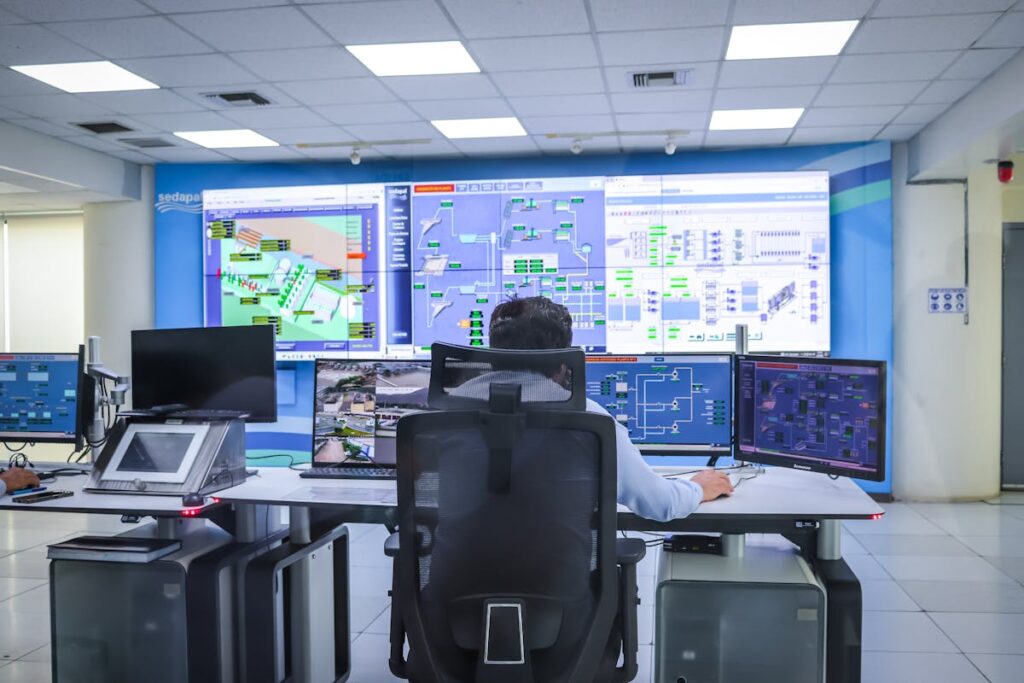
Since you can’t defend what you can’t see, you might as well start with a full inventory of IT and OT assets, then map how each system connects in your turf. When you trace data flows from sensors to SCADA to the cloud, hidden weak points can often surface quickly.
Segment, Isolate, and Control Access
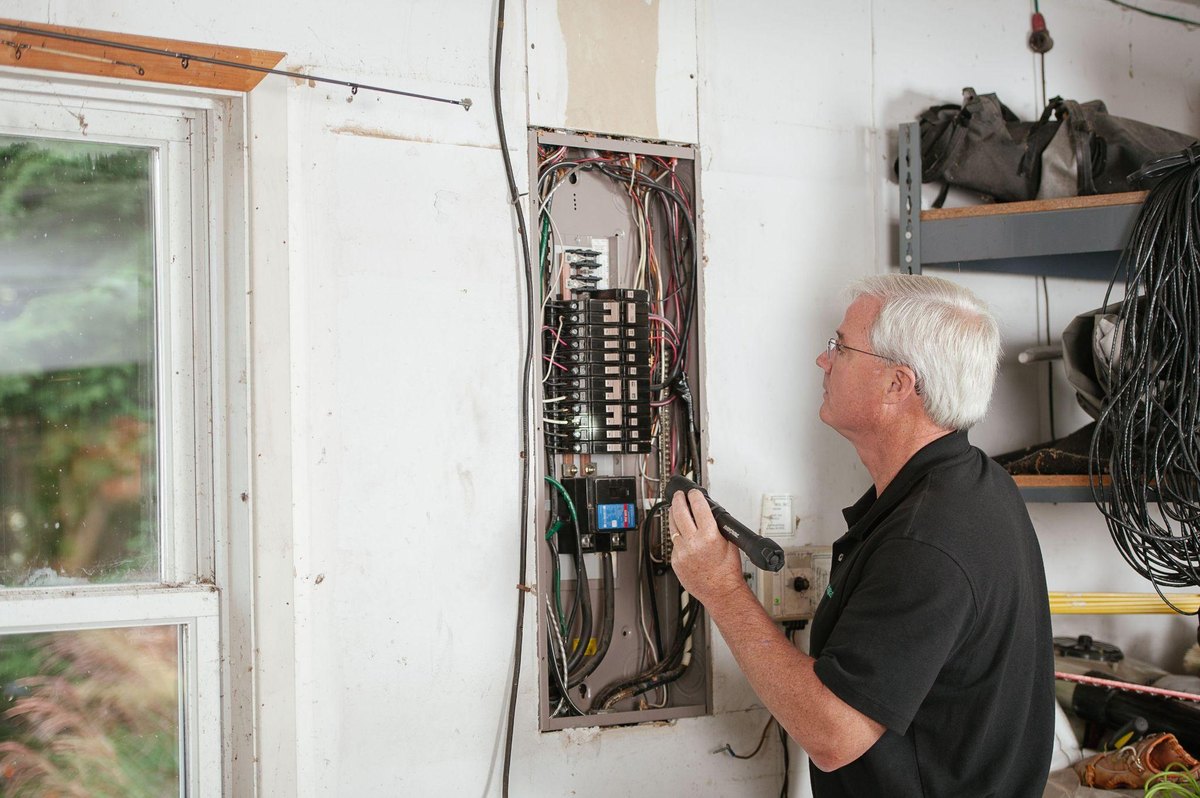
While flat networks may feel convenient, they’re like handing attackers easy access. Once someone breaches a single office laptop, they can move laterally toward your turbine controllers or SCADA environment with little resistance from your systems. That’s why you reduce that risk by creating strict network zones that separate corporate IT from operational technology and by limiting traffic in between.
Today’s infrastructure security experts highlight segmentation as a key defense against ransomware spread in critical frameworks. You also need to tighten remote access with unique accounts and multi-factor authentication or verification, since experts’ investigations led to findings that stolen credentials remain a top breach access point. Finally, secure cabinets and control rooms, because cyber resilience is also physical, not just digital.
Write and Test an Adequate Security Plan
Technology alone cannot protect your plant, and deep down, you know that. You need an adequate security plan that clearly defines how your team prevents, detects, responds to, and recovers from cyber incidents. Often, without written and explicit direction, even your highly-skilled engineers hesitate when pressure starts to gnaw at them.
Your plan has to spell out roles, escalation paths, communication protocols, and recovery priorities. If ransomware locks your SCADA server, who authorizes a shutdown? Who informs regulators, insurers, or grid operators? How do you restore systems without corrupting operational data or damaging equipment?
You need to use a structured blueprint for planning, training, and continuous monitoring to shape this document. Some core principles, like defined ownership, regular testing, and documented procedures, translate directly to the biomass and waste-to-energy landscape.
Align your adequate security plan with IEC 62443 for industrial control systems and the updated 2024 NIST Cybersecurity Framework. Then test it through tabletop exercises. Practice exposes gaps before attackers do.
Patch Smartly, Train Constantly
Even if your tech and energy software are already driving green transformation, patching industrial environments like these has become quite tricky. You cannot simply reboot a digester control system during peak or ongoing production. But unpatched vulnerabilities remain a major risk hanging above your head.
This is why you have to work with vendors to define a scheduled maintenance window for your updates. You may need to test patches in a staging environment if possible, and document every change, even if it’s just a small firmware update. Otherwise, it can alter your system’s behavior significantly.
At the same time, focus on your people and how they respond to attacks, like phishing, which remains a primary entry point for attackers these days. More of today’s studies reveal that the human element takes center stage in the majority of breaches, including phishing and social engineering schemes.
You can actually conduct realistic phishing simulations for plant managers, engineers, and your admin personnel. Just give them short, focused training sessions that show real examples of suspicious emails targeting energy operators today. When employees understand that a single click can disrupt feedstock intake or power export contracts, security becomes personal, not abstract.
Monitor, Audit, Improve
Cyber resilience is not a box you check once. It is a discipline you practice daily. Monitor both IT and OT activity, audit accounts and backups, and track real metrics that show progress. In bioenergy operations, every minute of downtime costs revenue and trust. Start strengthening your defenses today, before disruption forces your hand.