

You are stopped cold by that strong, acrid smell that is something between singed wiring and burning plastic. It’s one of those scents that, naturally, triggers a gut-level reaction right away. Local San Jose electricians and other contractors who handle HVAC, plumbing, and electrical services will be honest with you: don’t ignore it and don’t assume it will go away on its own. Home electrical safety begins the moment you take a burning electrical odor seriously. It is your home’s way of warning you.
A few years back, a neighbor of mine caught a faint burning smell near her laundry room on a Sunday evening. She figured the dryer was just running hot. By morning, a scorched outlet behind the machine told a different story. It hadn’t turned into a fire, barely, but it was close enough to shake her up pretty good.
In this article:
Take Immediate Safety Action
Get everyone out of the room first. Get out if the smell is unpleasant or worsening. When safe, open windows and remove children and pets. It’s true. Nice idea.
Fire, smoke, or sparks? Flee the house immediately and call 911. At that point, taking electrical action in an emergency is no longer optional. Everything else on this list assumes the situation is concerning but not yet at that level.
Identify the Source Quickly
Be careful as you walk through the neighborhood. Many individuals pause and fail to remember to follow the scent, even though it may sound obvious. Examine the appliances, plates, and plugs that were just turned on. Power strips and extension cords are frequently the cause, especially if they are old or overburdened.
Also, look up. A ceiling fan or light fixture with a poor connection or one that is too long may be causing the smell. Avoid metal and outlets.
Unplug and Power Down
To isolate the source of the smell, turn off all electronics in the room. The culprits are usually devices that are plugged into an outlet, surge protectors that are overloaded with electronics, or phone chargers that run continuously. Carefully disconnect instead of pulling cables.
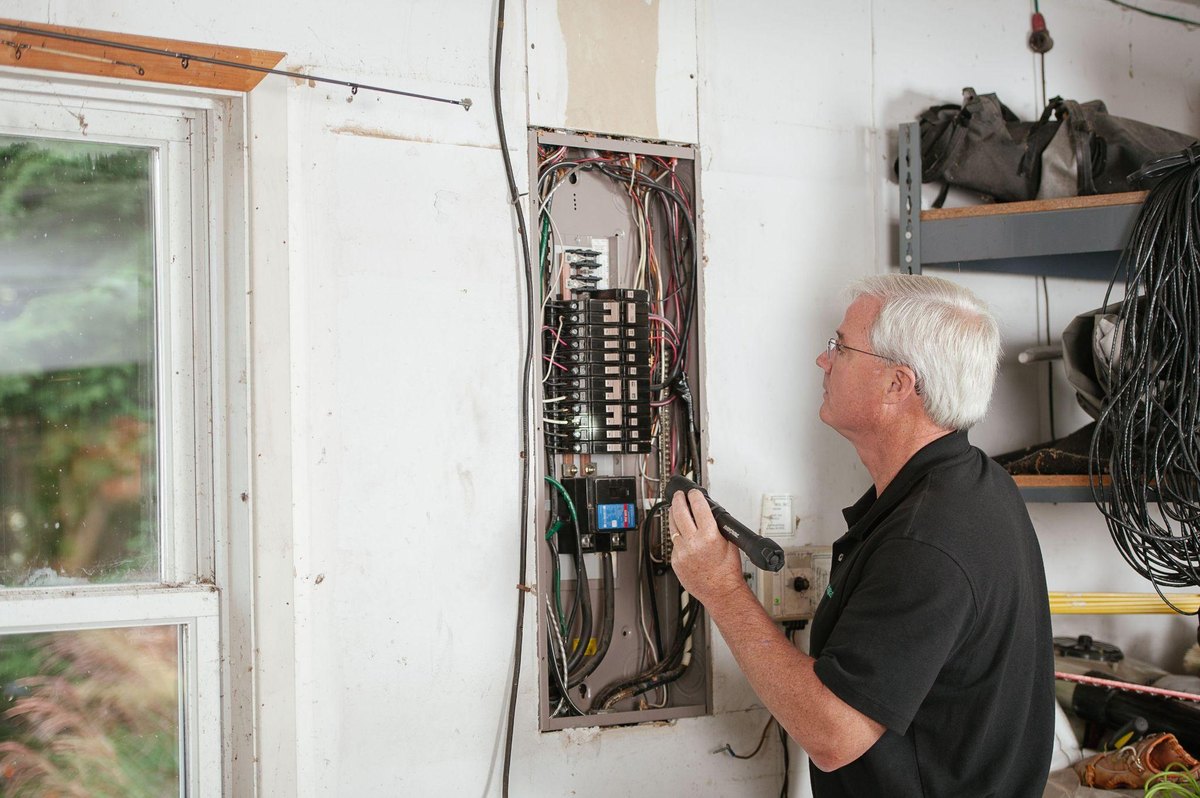
If you do not identify the one source or the odor seems to come from the inside of the wall or ceiling, go directly to your electrical panel. Change the breaker in that area or room. Turn off the primary breaker for a brief period of time if you are unsure of which breaker controls what.
Restoring electricity should wait until you are aware of the situation.
Look for These Warning Signs
Visually inspect even after the immediate threat is contained. Electrical fire warning signs might be subtle and hard to spot. Discolored or warm outlet covers are a big one. Scorch marks around a switch plate. A breaker that keeps tripping for no obvious reason.
Listen, too. A faint buzzing or crackling sound from the wall is not normal. One of the most prevalent reasons for electrical fires in homes is electricity jumping across wires. This could be a sign that this is happening. If your outlets feel warm to the touch, your lights flicker, but it’s not because the bulbs are bad, or you smell something burning long after you’ve unplugged everything, these are other signs that there may be an electrical fire.
Any one of these is worth treating seriously.
When to Call an Electrician
Honestly, if you’ve gotten this far through the list and still haven’t found a clear cause call one. A licensed electrician can trace problems inside walls, test for faulty wiring, and check your panel for issues that aren’t visible from the outside. This isn’t a job for guessing.
Besides that, it is important that you call without delay if the foul odor comes back after you have turned power back on, if you spot a damaged outlet or switch, physically, or if your house is pretty old and it still has the knob-and-tube wiring or aluminum wiring.
Generally, old electrical systems and home electrical safety do not make a simple mix. What passed inspection decades ago isn’t always safe by today’s standards.
What NOT to Do
Don’t use water on any electrical component, ever. Don’t keep using an outlet that smells bad merely to see if it works.”Don’t think that resetting a tripped breaker fixes a wiring problem; it just restores power. It doesn’t fix the problem that caused the trip.”
And don’t try to open outlet boxes or meddle with wiring yourself unless you really know how to do it. The risk isn’t just personal injury; improperly handled wiring can introduce new hazards that are harder to detect later.
Taking emergency electrical action means knowing what to hand off to a professional.
Prevention Tips
Your home’s electrical system should be inspected every few years or more often if you plan to renovate or install new appliances. Electrical outlets and switches older than 20 years and not inspected should be replaced. Circuits should not be overloaded. You shouldn’t charge your phone, power a space heater, a computer, and a monitor all from the same outlet.
While smoke detectors are great for saving lives, arc-fault circuit interrupters (AFCIs) are even better at preventing electrical fires from ever starting. You should call an electrician if you find that your home’s bedrooms and living areas are missing them.
In Conclusion
Although it doesn’t necessarily indicate a catastrophe, a burning electrical smell always indicates something. Situations that make the evening news are typically avoided by homes that identify these issues early and by homeowners who take five minutes to look into them instead of ignoring them. When the cause isn’t evident, start with the previous procedures, follow your gut, and consult a specialist. That’s the complete playbook.