
Bioenergy already occupies a major place in the energy system. The International Energy Agency says modern bioenergy supplies almost 55% of renewable energy worldwide and more than 6% of total global energy.
Yet the sector still enters most climate debates on the defensive.
The problem is not simply opposition to biomass. It is a communications model that asks one vague word to represent waste-derived biogas, crop-residue fuels, forest biomass, ethanol, renewable diesel, traditional cooking fires, and bioenergy with carbon capture and storage.
Those pathways do not have the same emissions, land requirements, health effects, or climate value. When the industry presents them as one category, critics can use the weakest example to discredit all of them.
In This Article:
One Word Is Carrying Too Many Technologies
“Bioenergy” describes where the material came from, not whether the final system is sustainable.
A project turning food-processing waste into biogas is different from a power station importing wood pellets. A household cooking over an inefficient wood fire is different again from a plant capturing and permanently storing biogenic carbon.
The distinction is not academic. The World Health Organization estimates that 2.1 billion people still cook using open fires or inefficient stoves fueled partly by biomass, contributing to an estimated 2.9 million deaths from household air pollution in 2021.
Modern bioenergy is supposed to replace those polluting uses, not defend them. IEA Bioenergy’s latest annual report says modern bioenergy may need to triple by 2050 while traditional biomass use is phased out.
Communications should make that division explicit every time. “Waste-derived biomethane for industrial heat” tells an audience what is being proposed. “Clean bioenergy” asks it to accept the conclusion before receiving the facts.
“Carbon Neutral” Is the Wrong Opening Claim
Even IEA Bioenergy calls “carbon neutral” an unhelpful and ambiguous term.
The phrase compresses a long chain of questions into two reassuring words. What feedstock is used? Would it otherwise decay, be burned, or remain standing? Did production cause land-use change? How far was it transported? What emissions came from processing? How quickly will carbon be reabsorbed?
The IPCC also does not automatically treat biomass as carbon neutral. Its inventory method records biomass combustion emissions separately to avoid double counting with land-sector changes. The organization states that this accounting convention should not be interpreted as a finding that a particular fuel or project is sustainable.
That nuance disappears when a press release says only that plants absorb the carbon released during combustion.
A stronger claim gives the boundary and the condition: “This pathway cuts lifecycle emissions by X% against the fossil alternative, using verified residues sourced within Y miles.”
It may sound less dramatic, but it gives journalists, policymakers, and communities something they can check.
The recent climate dispute has shown why precision matters. In March 2026, the EU’s General Court upheld the European Commission’s decision to include qualifying bioenergy in its sustainable-finance taxonomy after campaigners challenged the classification.
The ruling settled a legal question. It did not remove the public argument over which feedstocks and systems deserve the label.
Lead With the Trade-Offs Before Critics Do
Bioenergy communications often treat land use, biodiversity, food competition, and air pollution as objections to answer at the bottom of a fact sheet.
They should appear near the top.
The IEA says only bioenergy that reduces lifecycle greenhouse gas emissions while avoiding unacceptable effects on biodiversity, freshwater, food availability, and human wellbeing should receive policy support.
That sentence is more credible than a blanket promise because it acknowledges that some projects will fail the test.
Every public claim should therefore include the safeguard beside the benefit:
Name the feedstock and its previous or alternative use.Publish the lifecycle boundary and time horizon.Explain land, water, biodiversity, and air-quality controls.Show who verifies the data and how often it is updated.State where the project performs poorly or remains uncertain.
This is also where specialist PR firms can be useful. Engineers and lifecycle analysts should own the evidence, while communications teams turn it into language that remains accurate under hostile questioning.
The job is not to soften the trade-offs. It is to stop them being discovered for the first time in someone else’s investigation.
Build Messages Around Proof, Not the Category
The sector does not need one better slogan for bioenergy. It needs a message architecture for each pathway.
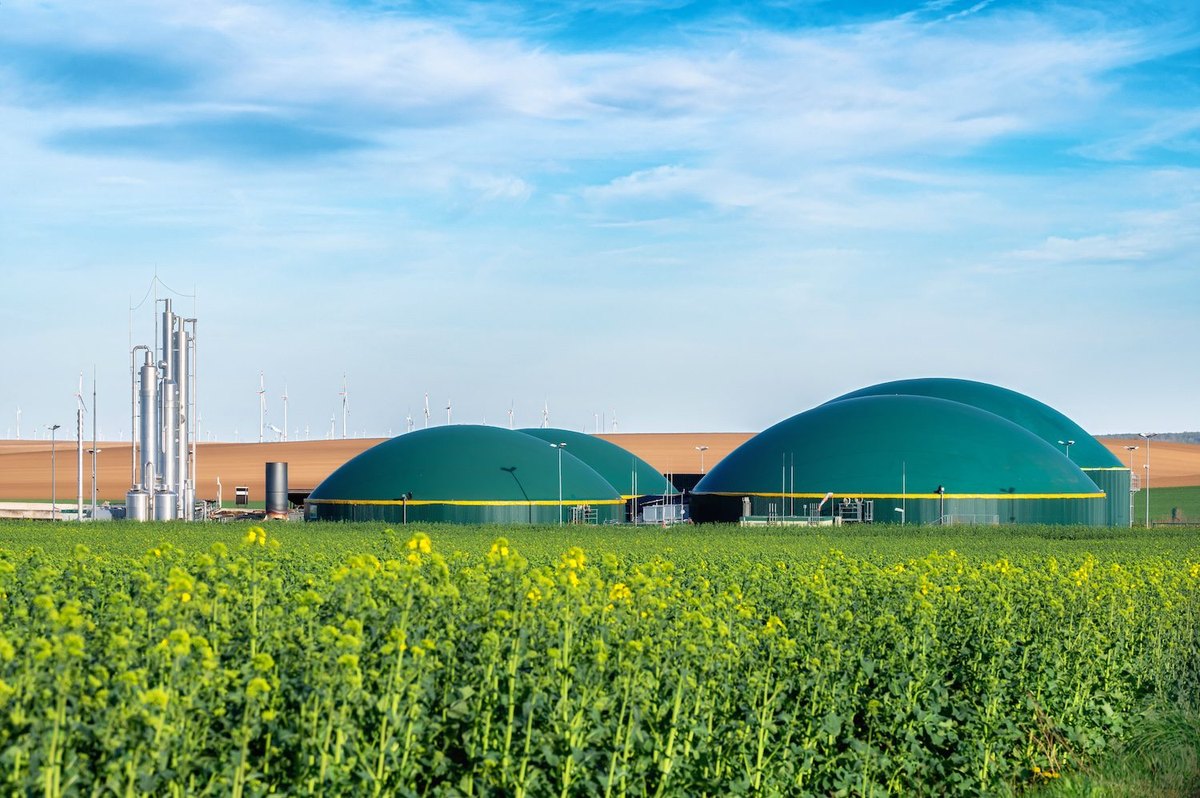
A waste-to-biogas project might lead with avoided methane, local waste management, and replacement of fossil gas. An advanced aviation-fuel project should discuss feedstock availability, carbon intensity, scale, and the limits of electrification in long-distance flight.
A BECCS project must explain capture rates, storage durability, biomass sourcing, and the time needed to produce a net climate benefit.
The evidence should also match the audience. A local community wants truck movements, air quality, jobs, and emergency procedures. Investors need policy exposure, feedstock security, and verification. Climate researchers will look for counterfactuals, system boundaries, and uncertainty ranges.
IEA Bioenergy has already recognized the gap. Its 2025 communications update described priority work to improve its impact including new fact sheets explaining bioenergy’s role in the transition and sustainable development.
That work needs to move beyond awareness. Communications should help audiences distinguish a strong project from a weak one.
Bioenergy will not win the climate debate by insisting that all biomass is renewable or repeating that carbon returns to the atmosphere’s natural cycle. Those claims are too broad for a sector with this many pathways and consequences.
It will earn trust when every project states what it uses, what it replaces, what it emits, what it risks, and who checked the numbers.
The industry does not need less scrutiny. It needs communications capable of surviving it.