

Meta description: Explore a detailed guide to cardboard packaging for handmade products. Discover and compare materials, packaging costs, shipping efficiency, and packaging choices.
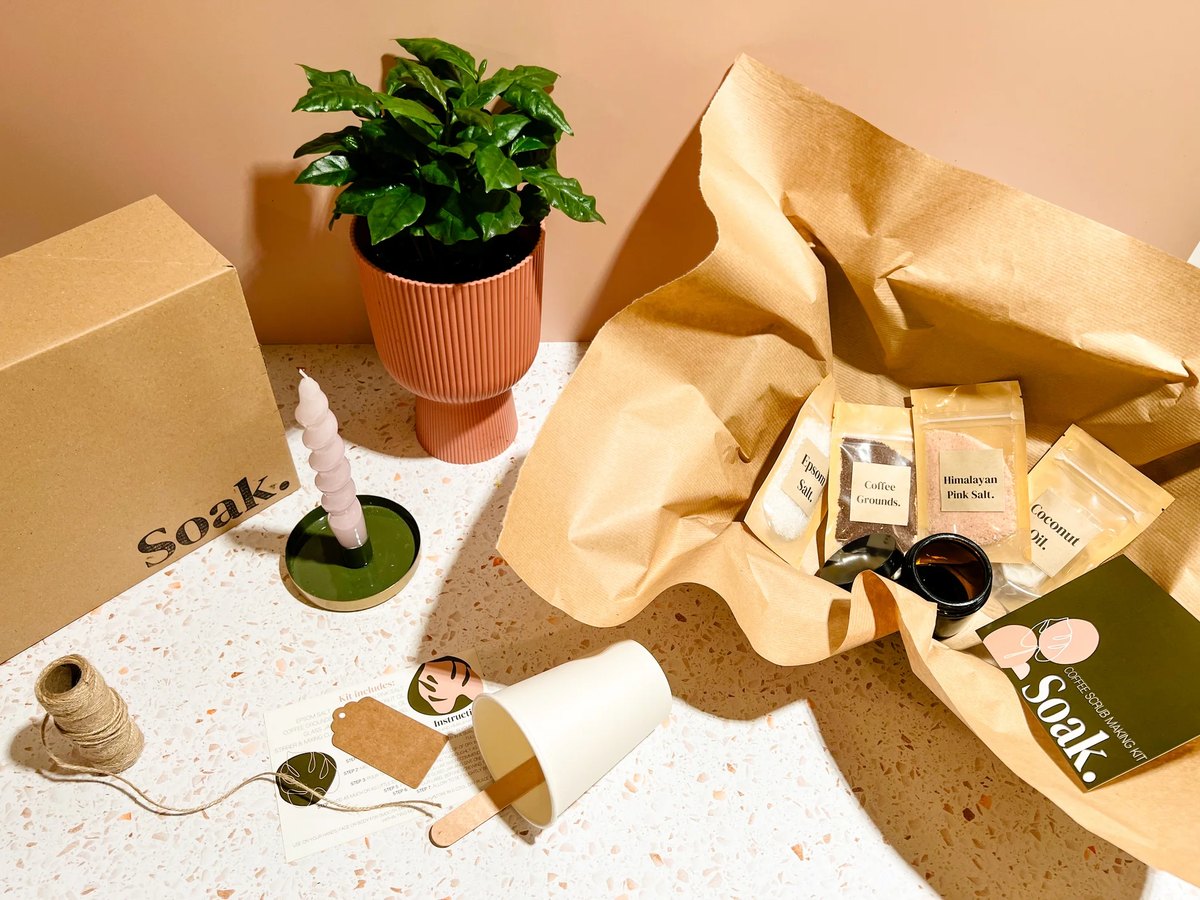
For handmade sellers, such as those on Etsy or Shopify, packaging is crucial, more than most e-commerce categories. The product is often limited, delicate or emotional, and the box becomes more than protection; it becomes an integral part of the product.
Cardboard-based packaging, due to its cost, printability, structural possibilities, and sustainability, is the most successful packaging system in this context. But lumped together, treating cardboard packaging as one group results in poor decisions. Packaging conditions during real shipping, branding and cost considerations differ among Kraft packaging, folding carton and rigid packaging.
The breakdown is concentrated on material behavior, actual cost logic, product mapping, and structured comparison, enabling handmade sellers to select packaging for function and not assumption.
In This Article:
Cardboard Packaging For Handmade Sellers
Cardboard packaging is often misunderstood as one uniform material. In practice, it is a layered system made from paper fibers engineered into different structures for different jobs.
In handmade commerce, packaging usually operates in three functional layers:
- Kraft-based packaging for shipping and eco positioning
- Rigid packaging for gift-level experience
- Folding carton for product presentation or branding
They address different problems per layer. Shipping protection, brand identity and perceived value are not necessarily the same need, and many sellers are trying to address each of these with the same box type, leading to inefficiency.
When to Choose Kraft-Based Packaging?
Kraft packaging is unbleached wood pulp. It results in a natural brown colour and fibre strength. It is also a popular choice for handmade items due to its economic and eco-friendly nature, as well as its visual appeal.
Soaps, candles, clothing and small bundles are often sold in this type of packaging. It is effective for shipping where weight is moderate and the movement inside the unit is under control.
But kraft packaging isn’t for everyone. It is best suited for low fragility products or products that have an internal insert for stabilisation. It can crush or bend out of shape during shipping if not properly structured.
Folding Cartons For Improving Branding and Presentation Layer

Folding cartons are paperboard boxes with a light-weight design mostly used for branding and presentation purposes, rather than protection. They are used extensively in handmade cosmetics, jewellery packaging, candle sleeves and gift kits.
The cartons offer the possibility of high quality printing, fine detailing and narrative images.Unlike kraft packaging, folding cartons can be printed with high quality, fine detail and story image. This is perfect for creating brand identities, particularly in markets that are visual.
But fold cartons are not sufficient on their own to handle shipping stresses. These are generally used as the inner packing, in a protective outer box. Their job isn’t structural safety, it’s about enhancing customer experience.
For handmade brands, folding cartons are like the “brand face” of the product and another material will handle protection.
Rigid Packaging For Premium Positioning System

High density cardboard packaging is rigid, used for luxury presentation. It does not fold flat, remaining in shape under pressure of handling. This will cost much more per square yard but will also be a lot more impressive visually.
It is often used to make high-quality, customised jewelry, limited edition gift sets and valuable artisan goods. The main role of rigid packaging is not the protection efficiency, but the value perceived by consumers.
When the customer opens the rigid box, the experience tells him/her that this box is exclusive and that they are in a premium position. This results in the seller’s ability to justify the higher prices, but also contributes greatly to the cost of packaging.
Therefore, rigid packaging is usually just for certain product lines and not for inventory use.
Comparing Cardboard Packaging Types for Handmade Products
| Packaging Type | Structural Strength | Print Capability | Primary Function | Cost Level | Best Fit Products |
| Kraft packaging | Medium | Medium | Shipping + eco branding | Low | Soap, candles, apparel |
| Folding carton | Low–Medium | High | Branding + presentation | Medium | Jewelry, skincare, gifts |
| Rigid packaging | Very High | Very High | Premium experience | High | Luxury handmade goods |
This highlights that custom cardboard boxes are not about selection of the strongest material, but the appropriate one for the customers’ needs.
What Should Handmade Sellers Know About Packaging Costs?

Most handmade vendors only take into account per-box cost, but in fact there are a number of layers to packaging cost. It covers material impact, printing impact, storage impact, labour impact and impact of indirect shipping.
Entry-Level System (Functional Protection Focus)
At this stage, the packaging is usually in the form of kraft mailers or plain cartons with some minimal customisation. It’s not about branding, it’s about cost reduction.
Typical setup:
- Boxes (plain kraft or stock).
- Sticker-based branding
- Fillers: Basic fillers such as paper or kraft shreds.
This system can be found in many early-stage handmade businesses looking for product-market fit. Although it is cheap, it restricts branding and can cause variation in presentation.
Mid-Level System (Balanced Growth Stage)
This is the most common phase of developing handmade brands. Introduces printed folding cartons or branded kraft with structured design elements.
The setup covers:
- Kraft mailers or folding cartons
- Simple brand identity printing
- Basic inserts or stabilisers
This stage is about cost, protection and branding. It can be the most effective long-term building since it enhances customer view with minimum overhead.
Premium System (High Perceived Value Stage)
This level incorporates rigid boxes, multi-layer packaging and specialty finishes such as foil stamping or embossing.
Typical setup:
Rigid packaging structures
Personalised inserts and multi-layered unboxing
Premium quality printing and finishing
The system is employed for products with high margin, handmade products where packaging is part of the price justification.
Cost Comparison Table (Operational Reality)
| Level | Packaging Type | Cost Per Unit | Branding Impact | Damage Control | Business Stage |
| Entry | Kraft mailers | Low | Low | Medium | New sellers |
| Mid | Printed kraft / folding cartons | Medium | Medium–High | Medium–High | Scaling sellers |
| Premium | Rigid + layered packaging | High | Very High | High | Luxury brands |
Therefore, packaging cost must scale with business maturity, not on personal preference or aesthetics.
Product-Based Packaging Mapping (Critical Gap in Most Strategies)
There’s a great need to know that different handmade products behave differently during shipping. Using a universal packaging strategy means either over spending or damage to the product.
Glass candles, ceramics, resin art pieces, etc., must be protected with multiple protection levels. It prevents movement and absorbs shock with kraft outer packaging and inserts.
Simple kraft or folding carton systems without heavy reinforcement work well for lightweight items, like soaps, fabric or paper crafts.
Jewellery needs small folding boxes which serve to stabilise and present the jewellery at the same time. Gift sets will sometimes need empty gift boxes with lids of both rigid and protective outer packaging.
This mapping is critical because packaging failure relates to the lack of understanding of the product behaviour in packaging.
Why Does Shipping Efficiency Matter in Packaging for Handmade Products?
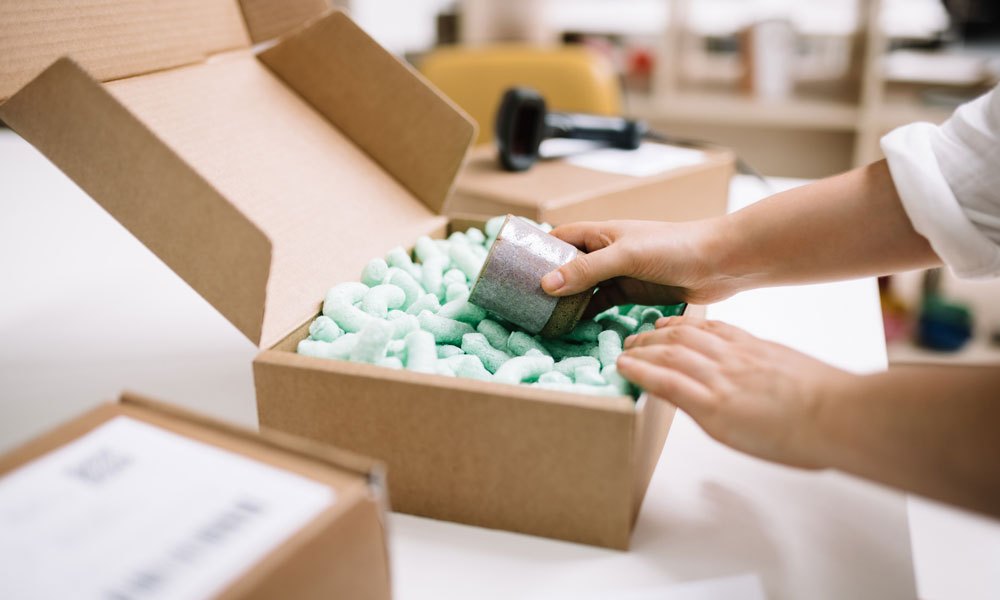
Shipping cost is not only based on weight but also on package dimensions. In addition to weight, shipping costs also depend on the size of the package. If the product is light, oversized packaging will increase the cost.
This is particularly important with eCommerce systems that are used by sellers who have Shopify stores or integration with fulfillment providers.
Right sized packaging leads to reduced dimensional weight, lower courier charges and reduced amount of fillers used. This results in substantial savings over high volume orders.
Efficient packaging is not only structural, it is economical optimisation.
Packaging Decision Framework (Practical Rules)
Rather than opting for packaging on looks or because you have always used it in the past, handmade retailers should consider functional decision rules:
- If product is fragile → use layered kraft with internal stabilisation
- If product is premium → use rigid or multi-layer system
- If product is lightweight → use kraft or folding carton
- If branding is weak → improve print system before changing material
- If shipping cost is high → reduce dimensions before upgrading strength
This prevents unnecessary upgrades as well as ensures packaging is fulfilling the business needs.
Does Branding Impact On Cardboard Packaging?
Packaging is a silent marketing channel in handmade business. It affects the value perception of the product from before opening the box until the customer consumes it.
The use of a well-structured packaging can create more trust, perceived professionalism and higher purchase probabilities. Conversely, bad packaging can harm even a good product. Consistency and structure can make even simple kraft packaging an effective brand.
Why Sustainability Matters in Packaging?

Some of the top reasons for purchasing handmade products include sustainability. Eco-friendly packaging materials are often perceived as authentic and ethical in their production.
Cardboard-based systems support sustainability as they are recyclable and biodegradable. Natural appearance and minimal processing of kraft is aligned with eco-friendly branding.
In handmade business, sustainable packaging offers a branding opportunity and helps the environment.
When To Upgrade From Stock Packaging Structured Systems
The most common reason for handmade sellers to use stock packaging is cost-efficient and easy to use. As they expand, however, there are some constraints in consistency, branding control, and structural efficiency appear.
It is usually time to transition when:
- Order volume settles down
- Repeat customers increase
- Product price increases
- Gift or bundle offerings expanded
Custom designed cardboard systems are more efficient than off-the-shelf solutions at this point, due to the consistency, lower shipping cost, and better branding alignment.
Final Thoughts
Cardboard packaging in handmade commerce is not a single solution but a structured system composed of kraft, folding carton, and rigid layers. Each material serves a different function across protection, branding, and perceived value.
When the packaging decisions are aligned with product behavior, cost structure, and business stage, packaging becomes an integrated operational system. It supports business growth, minimises loss and enhances customer experience.