

From Science Fiction to Real Energy Revolution
If Back to the Future taught us anything, it’s that lightning can power a time machine — at least in the movies. Today, humanity is learning to do the same thing, only systematically, safely, and with incredible precision.
Renewable energy is no longer the dream of futurists — it has become the driving force of real transformation. According to the International Energy Agency (IEA), solar power is now the cheapest source of electricity in history. Over the past decade, global investments in “green” energy have exceeded $5 trillion, and the sector’s growth shows no signs of slowing.
Some achievements sound almost like science fiction: the world’s largest solar farm in India can be seen from space. But the true revolution isn’t in scale — it’s in the shift of meaning. Technology has redefined what “energy” is. We no longer just generate electricity — we create a self-learning, intelligent ecosystem, where data, sensors, and algorithms are as essential as sunlight or wind.
The real future of energy depends on how smartly we can manage it.
In this article:
Solar Energy: Smarter, Cheaper, More Efficient
Not long ago, solar panels seemed expensive, finicky, and too dependent on weather. Today, they’ve transformed into a symbol of technological breakthrough, where every ray of light is a signal in a data network.
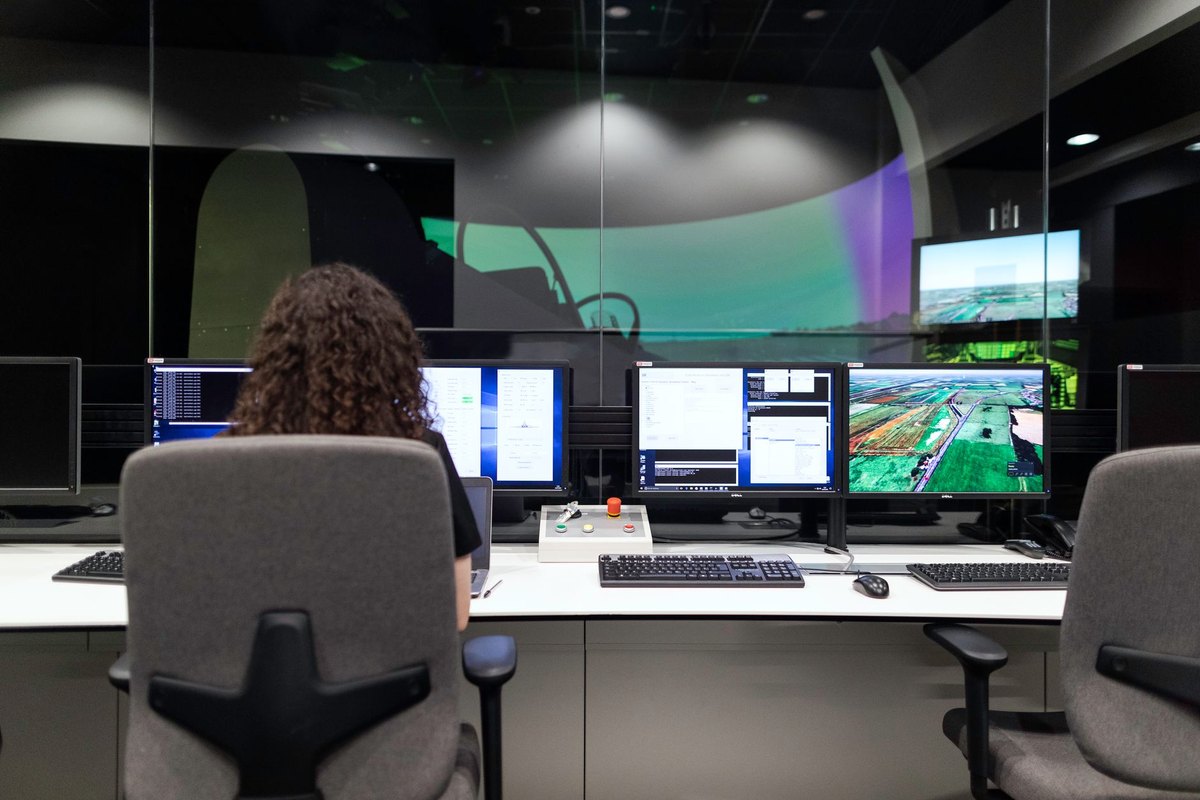
Artificial intelligence, machine learning, and computer vision help modern solar farms operate almost autonomously. Algorithms track the sun’s position, forecast cloudiness, optimize panel angles in real time—and all this without human intervention. Drones inspect thousands of modules, detect damage, clean surfaces, and immediately send data to the management system. What once required teams of engineers is now done by a single software complex with intelligent analytics.
Another breakthrough is thin-film solar cells, which are literally changing the shape of energy. They’re lightweight, flexible, transparent, and can look like ordinary paint. Imagine a house that powers itself: the facade, roof, windows—everything becomes an energy source. Or another trend—floating solar farms installed on water surfaces. They not only save land but also work more efficiently thanks to natural cooling and reduced water evaporation. This solution is simultaneously technological and ecological—a perfect example of the symbiosis between humanity and nature.
But the main hero of all these innovations is software. It’s what transforms solar systems into “smart” structures capable of forecasting, balancing, and optimizing power in real time. Thanks to this, cities literally “charge with the sun” even at night—storing excess energy in cloud storage or next-generation batteries.
Solar energy is no longer just about panels. It’s about data, flexibility, analytics, and algorithms. About energy that thinks.
Companies like DXC help implement analytics and digital solutions that make these systems more efficient. Learn more: visit URL.
Wind Energy: Beyond Turbines
Wind is one of humanity’s oldest energy sources. Once used only to grind grain, today’s turbines are technological giants generating gigabytes of data along with megawatts of power.
The new generation of wind turbines are advanced engineering systems packed with sensors continuously measuring wind speed, direction, and temperature. These sensors feed data into analytics platforms where AI algorithms predict performance — and even detect potential faults before they occur.
AI-powered drones are now used for maintenance — autonomous “technicians” that inspect blades, detect microcracks, and capture detailed high-resolution imagery. This not only boosts efficiency but also minimizes human risk.
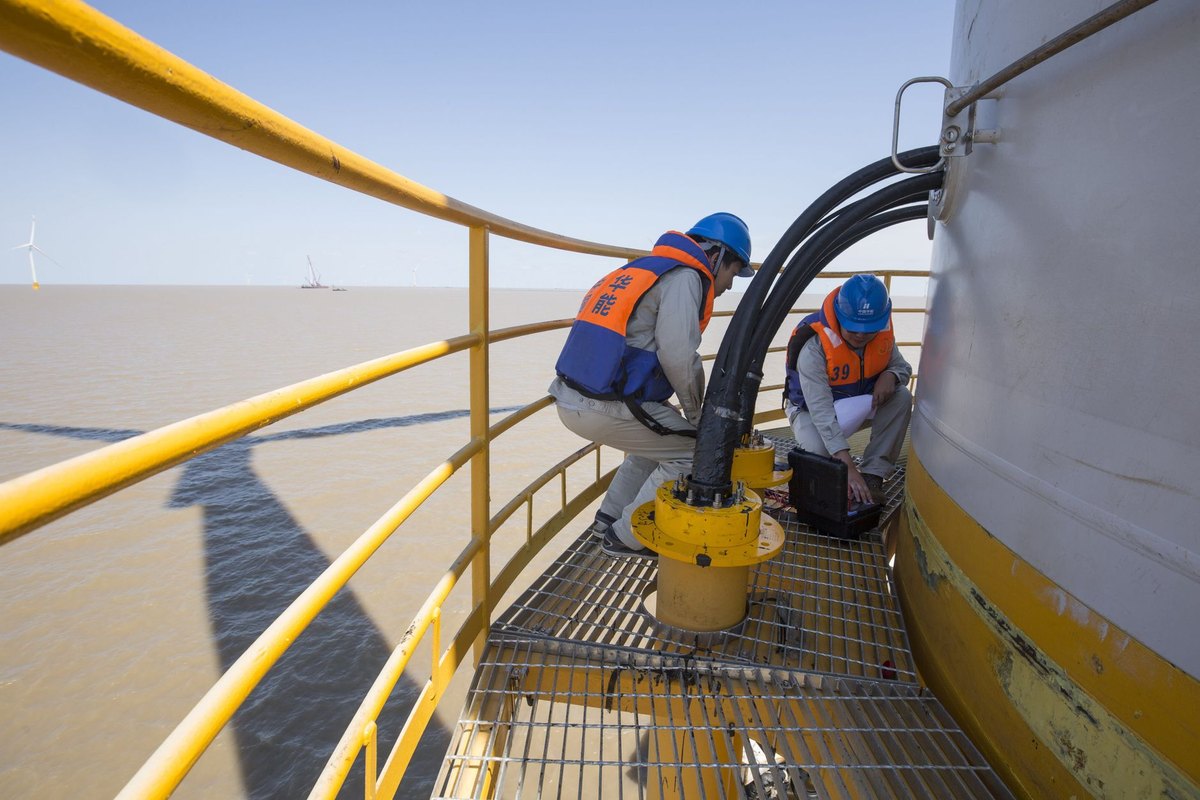
The fastest-growing field is offshore wind. Out at sea, the wind is steadier, and turbines are massive — some taller than the Eiffel Tower. These installations already power millions of homes across Europe and Asia.
Even more fascinating, next-generation turbines can now “sense” the weather. Through machine learning, they predict atmospheric changes and automatically adjust their rotation speed to reduce wear and increase efficiency.
Wind power has become more than a symbol of sustainability — it’s proof that technology lets us harness nature’s force without harming the planet.
Hydro and Ocean Energy: The Forgotten Giants
When we talk about renewables, we usually think of the sun and wind — but hydropower, the oldest “green” source, still provides over 50% of the world’s clean electricity.
Today, hydropower is experiencing a renaissance. Alongside large dams, micro-hydro systems are emerging — compact solutions that can power individual villages, schools, or hospitals. They don’t require massive reservoirs and can operate even on small streams.
Another exciting frontier is ocean energy. Tides, waves, and currents are immense power sources just beginning to reveal their potential. Modern tidal and wave energy technologies convert water motion into electricity using underwater turbines. Scientists call the ocean “the planet’s biggest battery” — and rightly so.
But even this mighty force needs precise control. Smart software now monitors flows, optimizes loads, and forecasts seasonal variations in real time.
While hydro energy might seem “old-fashioned,” it’s actually a prime example of how experience, engineering, and analytics can open a new era of efficiency. It’s not the past — it’s the quiet strength of the future, only now being rediscovered.
Storage Systems and Smart Grids: The Brain of Green Energy
No renewable energy makes sense if it can’t be stored. The sun doesn’t shine around the clock, and wind doesn’t blow on schedule, which is why energy storage systems are becoming the central element of new energy architecture.
Innovative solutions are replacing traditional lithium-ion batteries: solid-state, hydrogen, and sodium batteries that provide greater capacity, safety, and durability. Such systems allow storing excess energy during the day and releasing it into the grid during peak consumption hours.
But the main revolution is in how this energy is managed. This is where Smart Grids, or intelligent power grids, come into play. They’re often called the internet for electricity. In such systems, data from thousands of sensors, meters, and devices merge into a single analytical platform that independently balances supply and demand.
For example, if consumption suddenly increases in a certain region, the Smart Grid can automatically redirect energy flow or connect backup storage. This isn’t just automation, it’s intelligent management that minimizes losses, prevents overloads, and makes the grid more flexible.
Big Data, IoT, and analytical platforms play an important role here, transforming terabytes of indicators into specific actions. Thanks to this, modern energy systems can be called “living organisms” that adapt to changes in real time. These systems can detect anomalies, predict equipment failures, and even identify cyber threats before they compromise the network.
All of this is another confirmation that the future of energy is created both at power plants and in cloud servers, where data becomes a new type of energy. The convergence of physical infrastructure and digital intelligence is what truly defines future renewable energy technology in the 21st century.
The New Horizon: AI, Blockchain, and Predictive Analytics
Not long ago, power plants operated on a “generate and hope it’s enough” principle. Today, the energy system thinks ahead — and that’s its superpower.
- Artificial Intelligence is turning renewable energy from reactive to proactive. Algorithms learn to detect patterns in data streams and can forecast turbine failures, weather shifts, or network overloads. As a result, companies reduce downtime, save resources, and prevent accidents.
- Blockchain brings transparency to the sector. Distributed ledger technology ensures that tracking and transferring green certificates — proof of clean energy origin — is fully secure. Every kilowatt produced from wind or sun can be traced from its source to the end consumer. This enables new business models — from peer-to-peer energy trading to energy marketplaces, where consumers choose directly from whom to buy clean electricity.
- But the real magic happens when these tools work together. Predictive analytics integrates data from thousands of sensors, weather stations, and production systems, allowing operators to make real-time decisions — for example, when to sell excess energy to the grid or pause turbines to prevent overloads.
Digital platforms are becoming the new operational centers of green energy. They don’t just count kilowatts — they manage efficiency, predict risks, and help businesses plan years ahead.
The Future of Renewable Energy Technology Is Already Here
We live in a time when energy has ceased to be merely a physical resource. It has become an intelligent system in which analytics, algorithms, and human intellect work together, creating a new architecture of the world—a world that is learning to think with energy.
Humanity once dreamed of taming the elements—wind, sun, water. Today, we don’t simply use them: we communicate with nature in the language of data, transforming its unpredictability into predictable stability. In this dialogue between technology and nature, a new form of energy is being born—smart, clean, adaptive.
Artificial intelligence, analytics, automation—these aren’t just tools. They’re the nervous system of a new energy ecosphere that senses, responds, and learns. Companies that are investing today in digital infrastructure, software solutions, and partnerships are essentially building not just energy systems—they’re building the resilience of their future.
Because the energy of tomorrow isn’t a question of generation, but a question of efficiency, forecasting, and flexibility. The world is moving toward a model in which energy will be accessible, clean, and manageable in real time. And this transition won’t happen on its own—it requires innovation, collaboration, and the courage to act today.
The future doesn’t need to be waited for. It needs to be connected.