

The global transition toward lower-carbon electricity systems is entering a new phase. For years, much of the conversation focused on replacing fossil fuel generation with renewable resources such as wind and solar. While expanding renewable generation remains essential, attention is increasingly shifting toward another challenge that will ultimately determine the success of the energy transition: flexibility.
Electricity systems must remain balanced every second of every day. Generation and consumption must stay closely aligned regardless of weather conditions, equipment outages, or unexpected changes in demand. Historically, conventional power stations provided much of this operational flexibility by adjusting output as system conditions changed. Today’s electricity systems are becoming far more diverse, incorporating renewable generation, battery storage, distributed energy resources, industrial demand response, bioenergy facilities, and advanced control technologies that each contribute differently to maintaining reliability.
In This Article:
This evolution is transforming how electricity systems are planned and operated.
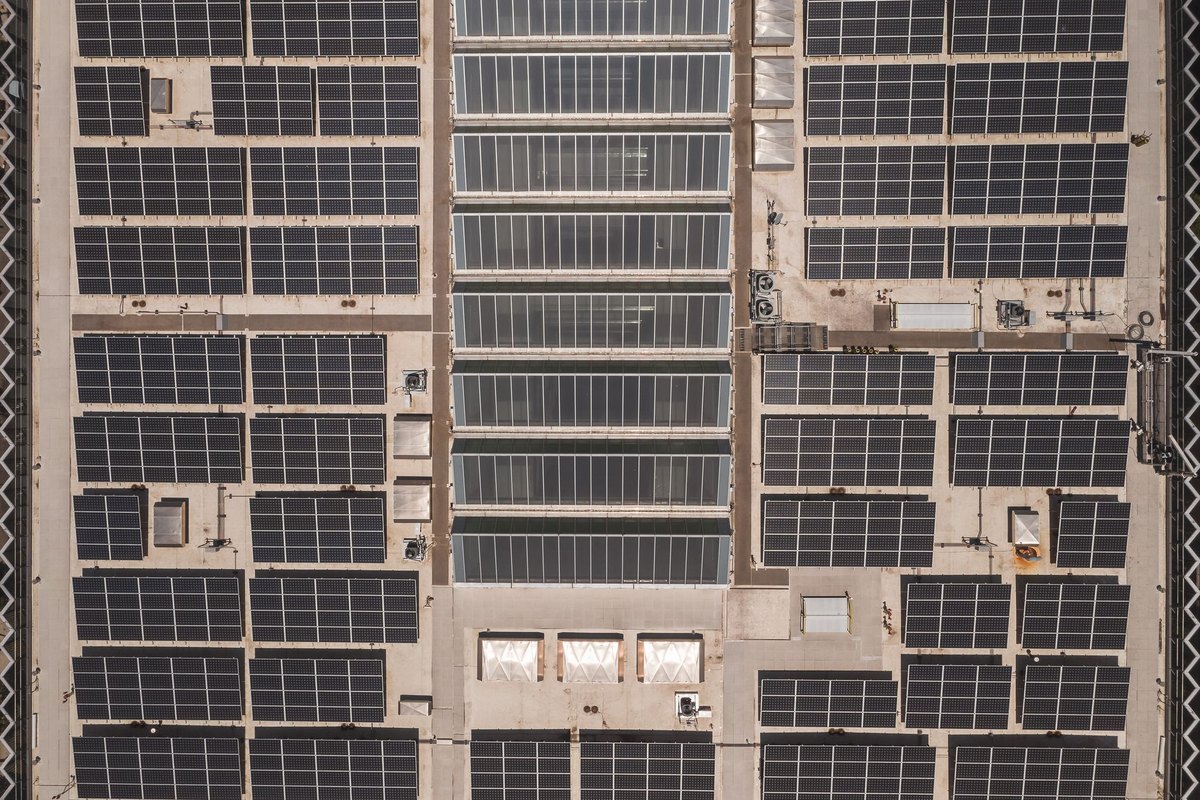
Variable renewable generation introduces tremendous environmental benefits, but it also changes the operational characteristics of the grid. Wind generation fluctuates with changing weather systems. Solar production follows daylight cycles while remaining sensitive to cloud cover and seasonal conditions. Electrification of transportation, industrial processes, and building systems continues increasing electricity demand while introducing new consumption patterns that differ substantially from those observed only a decade ago.
As these trends converge, flexibility becomes one of the most valuable characteristics within modern electricity systems.
Rather than relying exclusively on additional generating capacity, system operators increasingly seek resources capable of responding quickly to changing operating conditions. Battery storage can supply electricity during periods of high demand and recharge when surplus generation is available. Industrial facilities may temporarily adjust non-critical electrical loads. Commercial buildings equipped with advanced automation systems can optimize heating, cooling, and ventilation without affecting occupant comfort. Dispatchable renewable resources, including bioenergy, provide another important source of operational flexibility by producing electricity when system conditions require additional supply.
This broader portfolio of flexible resources strengthens reliability while supporting continued decarbonization.
The concept extends beyond electricity generation itself. Flexibility increasingly influences investment decisions surrounding transmission infrastructure, digital control systems, forecasting platforms, and advanced operational analytics. Modern electricity systems require the ability to anticipate changing conditions before they occur, allowing operators to coordinate diverse resources across increasingly complex networks.
Artificial intelligence is accelerating this capability.
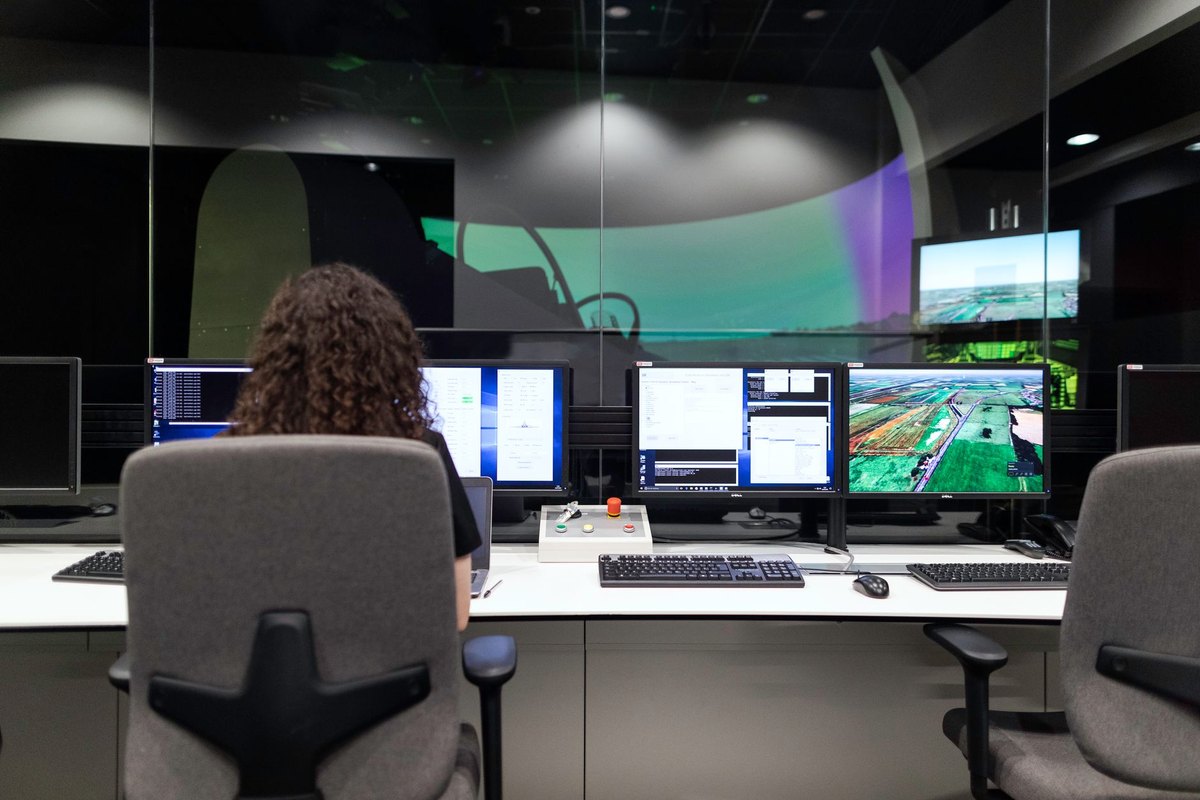
Machine learning models can evaluate weather forecasts, historical consumption patterns, renewable generation output, industrial activity, transmission constraints, and equipment availability simultaneously, improving the accuracy of operational forecasts while helping identify emerging system risks. Rather than reacting after imbalances occur, operators can make proactive decisions that improve reliability while reducing unnecessary operating costs.
Large commercial and industrial organizations also play an increasingly important role in this evolving landscape. Facilities that once viewed electricity primarily as a utility expense are beginning to recognize the value of operational flexibility. Manufacturing plants, logistics centres, food processors, institutional campuses, mining operations, and large commercial buildings often possess opportunities to adjust certain electrical loads without disrupting core business activities.
This shift is encouraging organizations to adopt more strategic approaches to electricity management. Working with an energy services company allows organizations to evaluate operational flexibility, improve long-term planning, and better understand how changing electricity conditions may influence both business performance and system reliability.
The role of bioenergy within this broader framework continues gaining attention. Unlike intermittent renewable resources, sustainably sourced bioenergy can often provide dispatchable generation capable of responding to changing system requirements. When integrated alongside storage technologies, flexible demand, and advanced forecasting, bioenergy contributes to a more resilient electricity system while supporting emissions reduction objectives.
Increasingly, policymakers and grid planners recognize that achieving climate goals depends not only on how much renewable energy is installed, but also on how effectively diverse resources work together to maintain a reliable electrical system. The future grid will require intelligence, coordination, and operational flexibility at a level never before experienced within the electricity sector.
The need for flexibility is becoming even more pronounced as electricity demand begins to accelerate after years of relatively modest growth. Electrification across transportation, manufacturing, commercial buildings, and heavy industry is increasing baseline electricity consumption, while artificial intelligence and hyperscale data centres are introducing entirely new categories of continuous electrical load. These developments are occurring simultaneously with the retirement of conventional generation assets in several jurisdictions, creating an operating environment where maintaining reliability requires significantly more coordination than in previous decades.
This changing landscape is encouraging system planners to evaluate electricity resources differently.
Historically, discussions often centered on installed generation capacity. Today, attention is increasingly directed toward operational capability. Questions surrounding response speed, dispatchability, predictability, and system resilience are becoming just as important as the total amount of electricity a resource can produce. Technologies that can respond rapidly to changing system conditions provide value beyond energy production alone because they contribute directly to maintaining grid stability.
Bioenergy occupies an important position within this evolving resource mix.
Unlike weather-dependent renewable resources, bioenergy facilities can often generate electricity when required, allowing them to complement intermittent generation while supporting broader decarbonization objectives. Their ability to provide controllable generation makes them valuable contributors during periods when electricity demand exceeds renewable output or when transmission constraints limit the availability of power from other regions. This operational flexibility strengthens overall system resilience without reducing the importance of continued investment in wind, solar, hydroelectric generation, and energy storage.
The conversation is therefore shifting from selecting individual technologies to designing integrated energy ecosystems.
Modern electricity systems increasingly depend upon diverse portfolios of complementary resources rather than any single solution. Wind and solar provide abundant low-carbon generation. Battery storage responds rapidly to short-duration fluctuations. Flexible industrial demand reduces pressure during peak operating periods. Hydroelectric resources provide dependable balancing capability where available. Bioenergy contributes dispatchable renewable generation that supports reliability when weather conditions limit other renewable resources.
Artificial intelligence is helping coordinate these increasingly sophisticated systems.
Machine learning algorithms can process enormous volumes of operational information, continuously evaluating weather forecasts, renewable generation output, transmission capacity, industrial demand, equipment availability, and historical operating performance. Rather than relying solely on predefined operating rules, advanced analytical platforms identify changing conditions and support operational decisions that improve both reliability and efficiency.
Forecasting has become central to this process.
Accurately anticipating demand and generation conditions allows operators to schedule flexible resources before imbalances occur rather than responding after reliability has already been affected. Improvements in predictive analytics reduce uncertainty across planning horizons ranging from hourly dispatch decisions to long-term infrastructure investment. As forecasting models become more sophisticated, flexible resources can be deployed with greater precision, improving both economic performance and system reliability.
Digital technologies are also expanding participation beyond traditional electricity generators.
Commercial buildings equipped with intelligent automation systems, manufacturers operating connected production facilities, agricultural operations utilizing advanced control systems, and institutional campuses managing distributed energy resources all possess opportunities to contribute operational flexibility. These organizations increasingly participate within broader electricity ecosystems, demonstrating that reliability is becoming a shared responsibility supported by technology, operational planning, and coordinated decision making.
Policy development is evolving alongside these technological advances.
Governments and regulators increasingly recognize that market structures should encourage flexibility as well as clean energy deployment. Investment frameworks are gradually expanding to recognize the operational value provided by dispatchable renewable generation, demand-side participation, advanced forecasting, storage technologies, and intelligent control systems. This broader perspective supports a more resilient transition toward lower-carbon electricity while encouraging innovation across multiple sectors of the energy economy.
The transition itself is becoming more sophisticated than originally envisioned.
Achieving long-term climate objectives will require more than replacing one generation technology with another. Success depends upon building electricity systems capable of adapting continuously as demand, generation, infrastructure, and operating conditions evolve. Flexibility provides the mechanism that allows diverse technologies to function as an integrated system rather than a collection of independent assets.
Bioenergy will continue contributing to that future because its value extends beyond renewable electricity production alone. As part of a diversified portfolio of flexible resources, it strengthens reliability, supports decarbonization, and complements emerging technologies that are reshaping modern electricity systems. The organizations and jurisdictions that invest in flexibility today will be better positioned to accommodate rising electricity demand while maintaining the resilience required for a successful energy transition.