
The year 2026 brings a measured transformation to how American households handle daily electricity consumption. Technological advancements in Home Energy Management Systems (HEMS) have transitioned standard properties into more efficient, self-sustaining microgrids. Homeowners are increasingly taking an active role in how they control, store, and distribute power. Intelligent algorithms now coordinate rooftop panels alongside electric vehicles and heavy appliances to improve overall efficiency. Navigating this evolving landscape requires an understanding of how interconnected devices work together to reduce reliance on aging infrastructure. Adopting these innovations often helps lower monthly bills and offers a practical buffer against volatile utility rates. Readers exploring property upgrades will find that modern setups bring structural flexibility right into domestic spaces.
In This Article:
How smart platforms manage solar storage
At the core of a robust residential power setup is the ability to capture and deploy stored electricity effectively. A reliable solar battery acts as the foundation of this ecosystem, holding onto excess daylight energy for evening consumption. By utilizing Intelligent Mode capabilities, modern systems evaluate typical usage habits and adjust discharge rates accordingly.
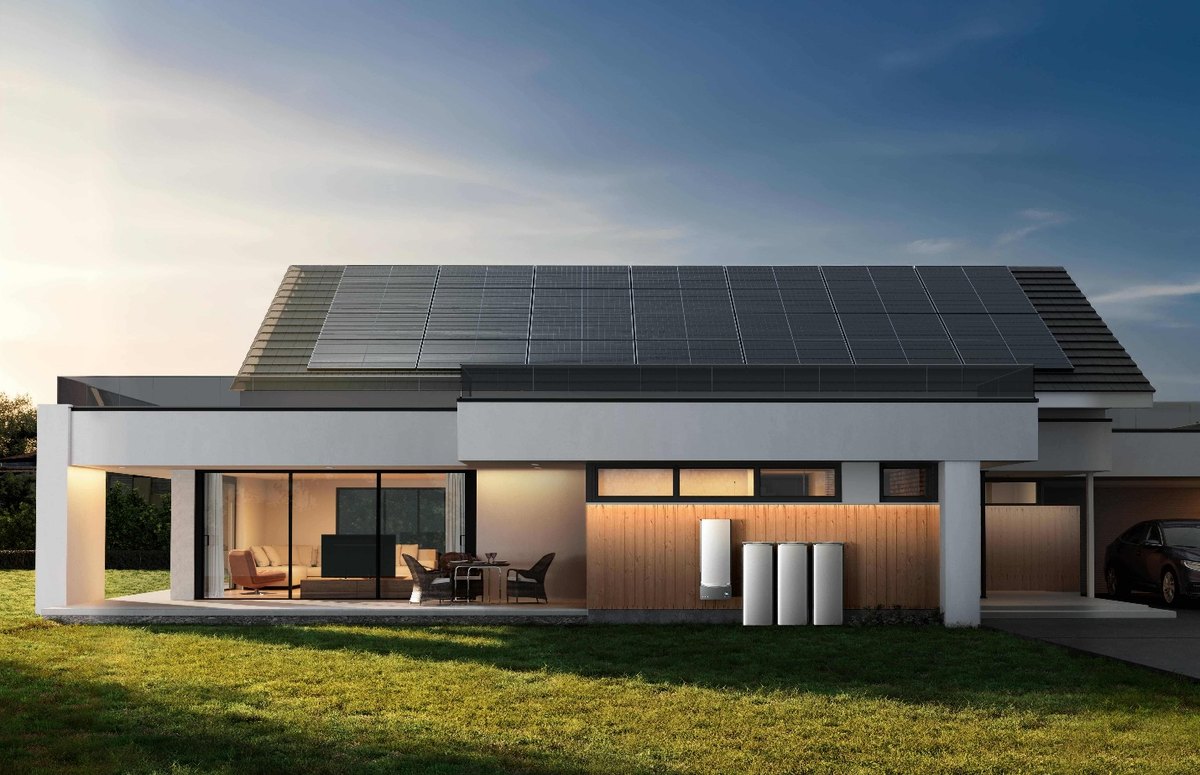
This ensures heavy-drain appliances run primarily on stored reserves rather than pulling from the utility grid during expensive peak hours. The resulting coordination between software and durable hardware creates an efficient environment where every kilowatt is put to practical use. These systems adapt to changing conditions, providing a steady supply of power even when external generation factors fluctuate throughout the day.
Essential strategies for optimizing power efficiency
Improving the financial return on a modern renewable setup requires a strategic approach. The following approaches highlight practical ways to enhance operational performance across the board.
Analyzing daily consumption patterns
Grasping baseline energy usage sets a practical foundation for any optimization strategy. It helps to track which appliances draw the most power to identify specific times of heavy demand. Modern HEMS dashboards display detailed data, revealing power-intensive habits hidden within the home. This insight allows homeowners to schedule significant loads right when sunlight hits its peak, optimizing generated energy.
Implementing dynamic load shifting
Load shifting moves energy-intensive tasks to hours when electricity is more affordable or abundant. Advanced controllers can automatically schedule high-draw appliances to operate specifically during peak daylight hours when solar panels produce their maximum yield. This tactic helps households avoid drawing power during expensive evening pricing tiers. By restructuring when power gets consumed, properties can improve the utility of self-generated electricity while maintaining standard routines.
Navigating state incentive programs
As of 2026, many localized initiatives across the country favor smart storage adoption. Programs like California’s Self-Generation Incentive Program (SGIP) provide post-installation rebates for qualifying California residents, with priority funding allocated to those in high fire-threat districts, helping to significantly offset the net cost of a new storage system. In Texas, select utilities and platforms offer demand response and VPP-style compensation for feeding surplus energy back during grid emergencies, though availability varies by provider and region. Staying informed about regional policy shifts helps in finding relevant funding.
Future-proofing component compatibility
Selecting hardware that communicates via open protocols helps prevent expansion bottlenecks. A smart controller should integrate smoothly with new electric vehicles or additional storage units added later. Prioritizing modular designs ensures the underlying infrastructure can scale up alongside expanding household needs. This forward-thinking mindset reduces the risk of stranded assets and supports long-term technological viability.
Overcoming regional grid instability
Intelligent architecture can help shield a property from unexpected utility disruptions. The following factors illustrate how external challenges are handled effectively.
Tackling extreme weather blackouts
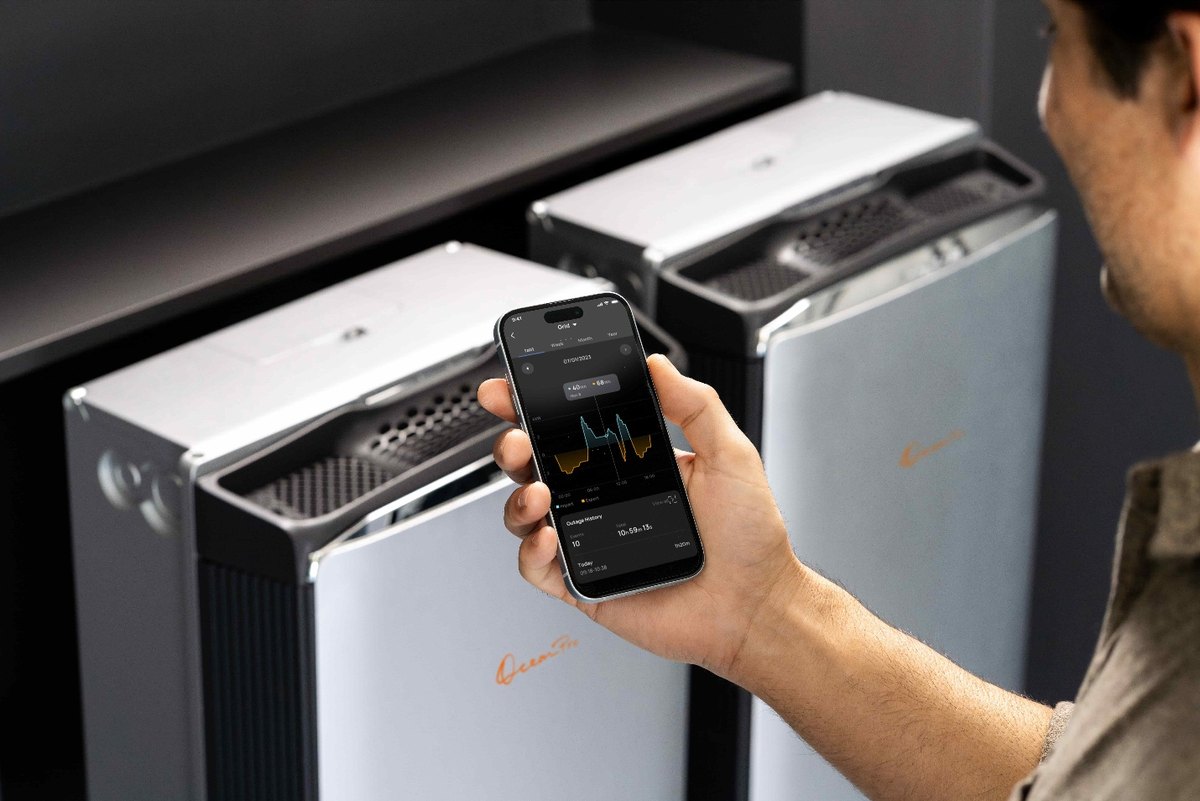
Unpredictable weather events often lead to disruptive blackouts across various US territories, from Texas winter storms to coastal hurricanes. Having a localized energy reservoir delivers a practical measure of security during challenging storm seasons. It transforms a standard property into a more resilient space prepared to handle extended periods of isolation, maintaining a comfortable environment when the surrounding network disconnects.
Seamless transitions during outages
Modern HEMS platforms can detect subtle voltage drops and shift into an isolated operational mode almost instantly, fast enough to keep sensitive electronics and refrigeration units running without interruption. This rapid transition helps prevent sensitive electronics from shutting down and keeps refrigeration units running smoothly. The immediate swap occurs quietly, resulting in minimal disruption to daily routines. The home temporarily detaches from the failing utility grid and relies entirely on stored resources.
Prioritizing critical household loads
During an extended grid failure, smart load management can automatically disconnect non-essential circuits. It redirects the remaining reserves toward important items like refrigerators and vital lighting. The system directs where the stored energy flows based on immediate needs. This rationing approach extends the life of available power reserves, helping keep the household running safely for longer durations.
Securing reliability with a home storage network
Maintaining a dedicated home battery backup helps ensure that crucial appliances keep running when external networks face sudden issues. The focus in modern home energy has shifted from simply generating power to managing when that power is utilized. With fluctuating utility rates across regions like the Northeast and Midwest, storing energy offers a practical financial buffer. Generating electricity natively means households can lower reliance on external providers. Expanding storage capacity with reliable setups, such as the EcoFlow Ocean Pro, provides substantial headroom for daily cycling. These configurations utilize 10kWh battery modules that stack efficiently up to 80kWh of total capacity, allowing property owners to tailor the system’s storage to fit specific consumption targets without excess waste.
Finding the right regional equipment supplier
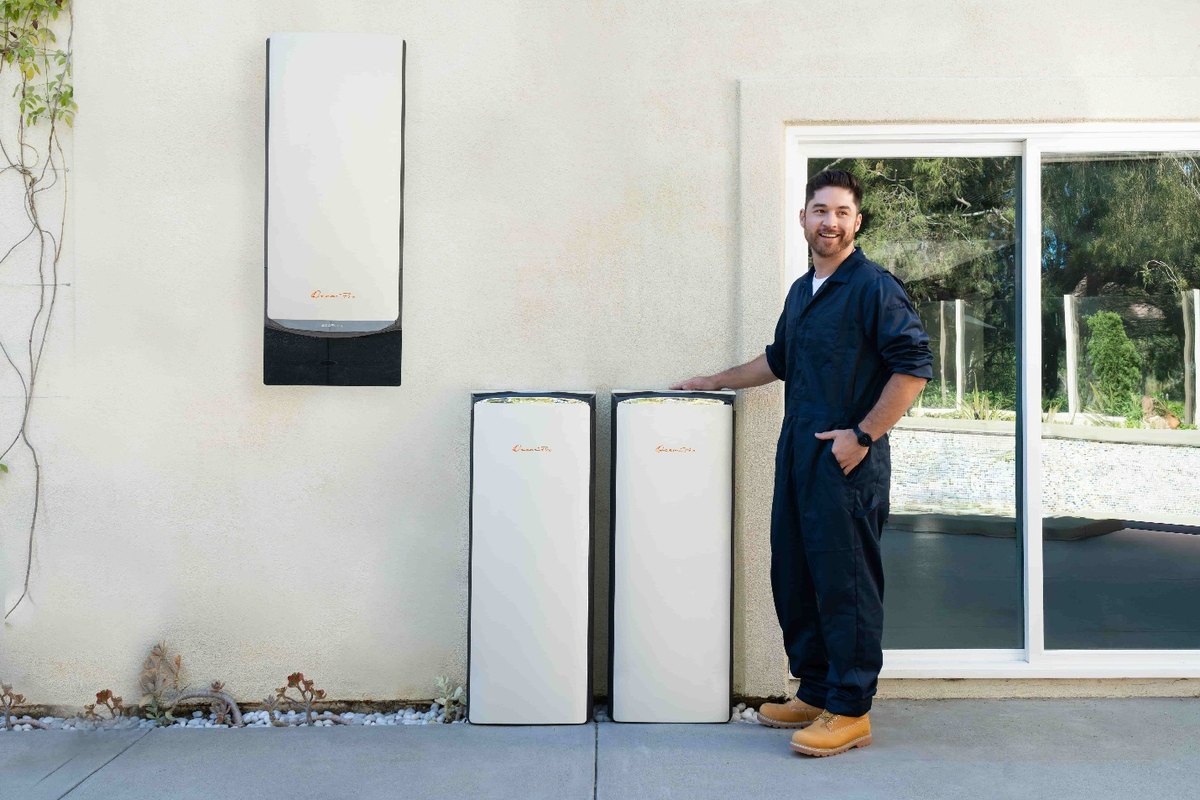
Mapping out an efficient power setup benefits from careful planning and appropriate component matching. Searching for a solar installer near me can help locate local tech suppliers who understand regional sun patterns and local grid requirements. These independent consultants can assist in selecting hardware combinations that fit specific geographic needs. Working alongside local experts makes it easier to design a comprehensive system tailored to the unique architecture of the property. They can also guide you toward current equipment suitable for the 2026 market. Building a relationship with nearby professionals establishes a trusted resource for future system expansions whenever you decide to scale up the infrastructure.
Conclusion: Embracing the future of home power
Moving toward intelligent energy management provides a practical level of control over daily electricity usage. By deploying an advanced HEMS, you can buffer the household against escalating grid costs while extracting steady utility from renewable generation. The current landscape demonstrates that efficient storage and smart distribution serve as the foundation of a resilient residential infrastructure. Taking charge of internal power consumption helps you remain prepared for upcoming grid challenges across the United States. Utilizing these tools effectively supports more sustainable living practices as you continue optimizing the property. A well-planned system ensures that you are ready for the evolving demands of modern energy consumption, creating a stable and efficient home environment.