
Heat pumps have come a long way in the UK, but they haven’t made gas boilers obsolete, at least not yet, and not for every home. For a lot of older properties, a full switch to a heat pump alone isn’t realistic. The fabric of the building, the existing radiator sizes, and the cost of full electrification all get in the way.
That’s where hybrid systems come in, and there’s a lot to unpack here when it comes to how they actually work day to day.
In This Article:
What a Hybrid Heating System Actually Does
A hybrid system pairs an air source heat pump with a gas boiler, letting each component do what it does best. The heat pump handles the bulk of your heating on milder days, running efficiently when outside temperatures are reasonable. When it gets colder, and in the UK, it does, the gas boiler picks up the slack, cutting in when the heat pump would have to work too hard to be cost-effective.
The switchover point is usually set by the controller, often called a bivalent point, typically somewhere between 0°C and 5°C. Below that threshold, the boiler takes over. Some systems let the two components run in parallel during the coldest spells, blending outputs to meet demand. It’s a practical solution, especially in retrofit situations where the building can’t always be upgraded to the insulation standard a heat pump needs to run efficiently on its own.
Why Retrofit Installations Make Hybrids So Common
Retrofit is where hybrid systems really earn their place. In a new build, you can design the whole system around a heat pump from the ground up: underfloor heating, well-insulated walls, triple glazing. In a 1970s semi-detached, you’re working with what you’ve got. Oversizing the heat pump to compensate for heat loss is expensive, and it doesn’t always solve the problem on the coldest nights.
Hybrids let homeowners move towards lower-carbon heating without a full overhaul. You get the efficiency gains of the heat pump for most of the year, and you keep the reliability of the boiler for when temperatures drop. It’s also a smoother financial step than replacing everything at once.
Keeping the Gas Component Serviced
One thing that catches people out with hybrid systems is assuming the gas boiler needs less attention because it runs less often. In practice, it still needs annual maintenance. A boiler that sits dormant for long stretches can develop issues: seals dry out, condensate traps can block, and any small faults that built up over summer won’t be obvious until you need the heat in November. Booking a boiler service before the cold season ensures the gas side is clean, safe, and ready to perform when the heat pump hands over.
It also matters for warranty reasons. Most boiler manufacturers require evidence of annual servicing to keep the warranty valid. In a hybrid setup, that obligation doesn’t go away just because the boiler is no longer the primary heat source. A Gas Safe registered engineer will check the burner, flue, gas pressure, and safety devices, all things that are just as relevant in a hybrid system as in a standalone boiler installation.
Heat Pump Maintenance in a Hybrid Setup
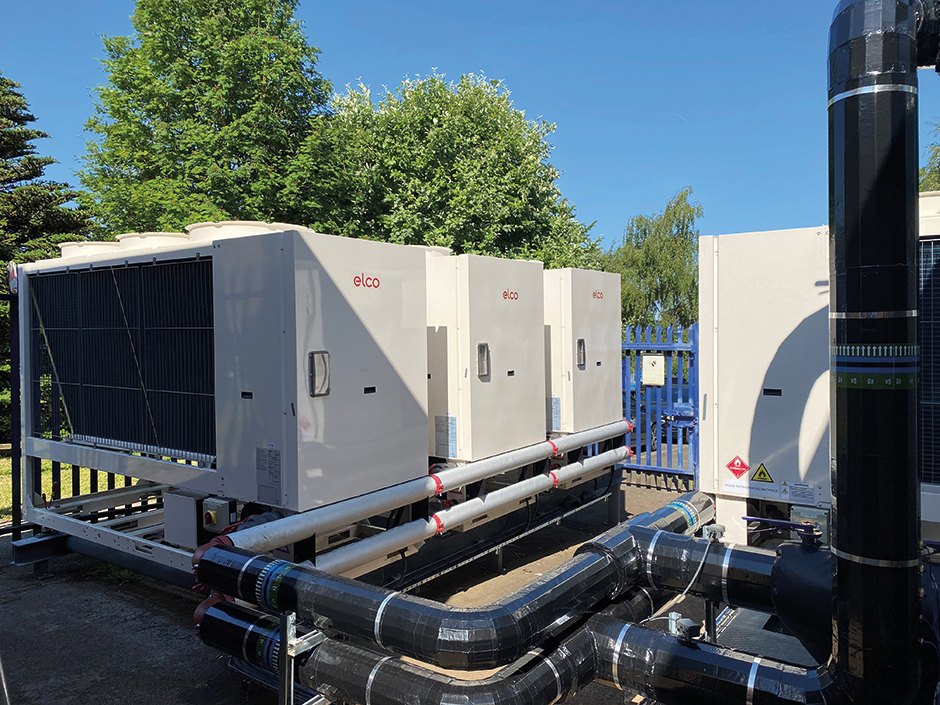
The heat pump side needs attention too, though the maintenance schedule differs. Air source units need the external unit kept clear of debris, the refrigerant circuit checked periodically, and filters cleaned. In a hybrid system, the controls that manage the switchover between the two heat sources are worth checking annually as well. A miscalibrated bivalent point can mean the boiler fires up too early and cancels out the efficiency gains the heat pump is supposed to deliver.
Most installers will recommend a combined annual check that covers both systems. Some specialist heating engineers are qualified to work on both, which saves having separate contractors coming out at different times of year.
Concluding Notes
Hybrid heating systems are a genuine middle ground for homes that aren’t ready, structurally or financially, for a full heat pump transition. They reduce carbon output and running costs without asking the homeowner to give up the reliability of gas entirely. But they only work well if both components are looked after.
The heat pump doesn’t make the boiler maintenance-free, and neglecting either side will cost you sooner or later.