
Lab-grown diamonds can have a lower carbon footprint than mined diamonds, but the answer is not as simple as many marketing claims suggest. The environmental impact of a diamond depends on factors such as electricity sources, manufacturing methods, transportation, and supply chain transparency. Buyers who want the most climate-conscious option should look beyond labels and ask detailed questions about how a stone was produced.
Many shoppers assume that lab-grown diamonds are automatically the greener choice. While laboratory production avoids large-scale mining operations, diamond creation still requires significant energy. Understanding where that energy comes from and how manufacturers manage emissions offers a clearer picture of the true environmental impact.
In This Article:
How Lab-Grown Diamonds Are Made
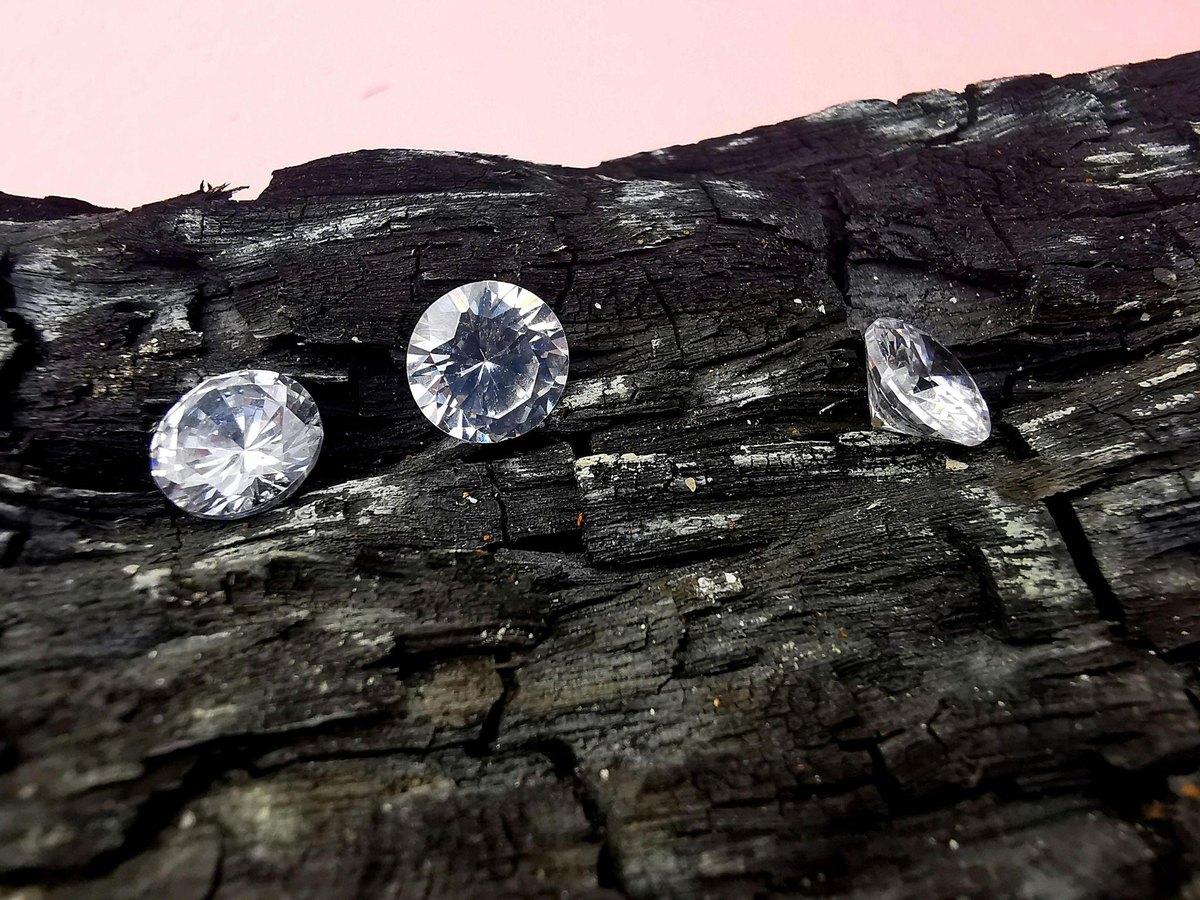
Lab-grown diamonds are real diamonds created in controlled environments rather than extracted from the earth. They share the same physical, chemical, and optical properties as mined stones.
Consumers exploring options such as the Diamondere lab diamond collection can see how lab-created diamonds are used in modern jewelry designs while learning more about the different types of stones available. The production process generally falls into two categories:
High Pressure High Temperature
Chemical Vapor Deposition
Hybrid production methods
Specialized industrial growth techniques
Each approach has different energy requirements, equipment needs, and environmental considerations.
Why Energy Sources Matter
Electricity is often the largest contributor to a lab-grown diamond’s carbon footprint. Manufacturing facilities operate sophisticated equipment for extended periods, consuming substantial amounts of power throughout the growth process.
A diamond produced using electricity from coal-heavy grids will generally carry a much larger carbon footprint than one produced using renewable energy. Facilities powered by hydroelectric, solar, wind, or bioenergy sources can significantly reduce production-related emissions.
Electricity generation remains one of the most important factors influencing industrial carbon emissions worldwide. For diamond producers, grid composition can be just as important as the production technology itself.
The Role Of HPHT And Methane Emissions
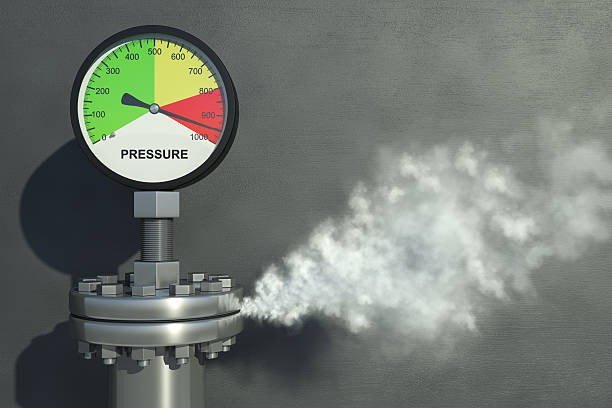
High-pressure, high-temperature production mimics the natural conditions that create diamonds deep within the earth. The process relies on extremely high temperatures and pressures generated through energy-intensive equipment.
Some HPHT facilities depend on electricity generated from natural gas. Although natural gas often produces fewer carbon emissions than coal, methane leakage throughout the supply chain can offset its climate benefits. Methane is a powerful greenhouse gas, making upstream emissions an important consideration when evaluating sustainability claims.
Consumers rarely see information about methane leakage in jewelry marketing materials, but it can influence the true environmental footprint of a laboratory-grown stone.
How Logistics Influence Carbon Footprints
Transportation contributes to the environmental impact of both mined and lab-grown diamonds. Raw materials, manufacturing equipment, finished stones, and jewelry products often travel through multiple countries before reaching consumers.
A diamond grown in one country, cut in another, set into jewelry elsewhere, and shipped internationally may accumulate emissions throughout the supply chain. Transportation impacts are generally smaller than production emissions, but they still contribute to the overall footprint.
Can Bioenergy Make Lab-Grown Diamonds Cleaner?
Bioenergy-backed electricity can reduce emissions when sourced responsibly. Some manufacturers are beginning to explore renewable power agreements, renewable energy certificates, and bioenergy-supported grids to lower operational emissions.
Results vary depending on feedstock sources, transportation distances, and regional energy infrastructure. Responsibly managed bioenergy systems paired with other renewable resources can help reduce the carbon intensity of diamond manufacturing.
Making An Informed Choice
Are lab-grown diamonds really low carbon? Sometimes, but not always. Production methods, electricity sources, methane emissions, manufacturing inputs, and transportation all influence the final environmental footprint.