

If you’ve ever replaced an old bulb with a cool-running LED, you already know how satisfying a small efficiency upgrade can be. However, that slight drop in wattage is part of a much larger story.
Ultra-efficient LEDs help smooth out the power grid, making it easier to balance variable solar and wind with steady, dispatchable bioenergy. As lighting loads decrease and peaks become more manageable, the grid becomes cleaner and more flexible.
Read on to see how this simple shift makes a major difference.
In this article:
Why Efficient LEDs Matter for the Future Grid
High-efficiency LEDs reduce electricity use at the device level, but the bigger story is what happens when millions of these devices are deployed across homes and businesses. When lighting draws less power, it shaves peak demand, which makes it easier for the grid to handle variable solar and wind.
A study by ScienceDirect revealed that smoothing peaks reduces renewable curtailment and supports stable bioenergy dispatch. Less stress on the system means bioenergy plants can operate more predictably, rather than constantly ramping to balance swings.
Estimating Real Lighting Loads
Most people think of LEDs as tiny energy savers, but estimating their true grid impact is simple and surprisingly insightful.
- Check the device wattage listed on the label
- Multiply by hours of daily use
- Scale up to the number of devices in a building or neighborhood
Even modest savings add up fast. According to research by another ScienceDirect analysis, the combination of aggregated efficiency and demand response yields significant reductions in capacity needs. These savings free up operational room for bioenergy plants, which are often most valuable when they act as firm, dispatchable backup.
This also creates a natural space to examine multi-wavelength LEDs that operate on very low power. Devices like the MitoGLOW™ LED Red Light Therapy Mask illustrate how different wavelengths, duty cycles, and mode patterns influence real-world energy profiles. While these masks are not major grid loads, their engineering demonstrates how designers can further enhance efficiency.
Multi-Wavelength Arrays as Case Studies
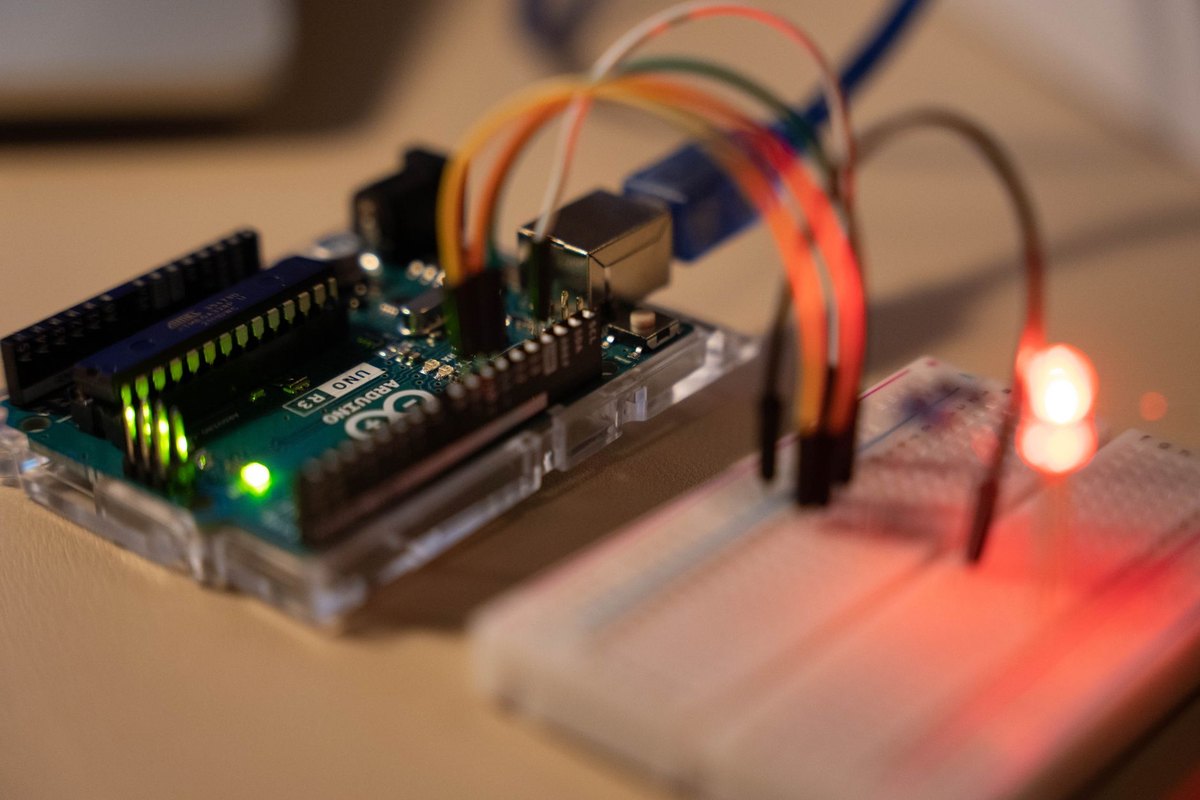
Multi-wavelength LED systems are useful examples because they demonstrate how targeted output can be achieved with minimal electricity consumption. Small arrays demonstrate:
Fine-Tuned Power Control
Each wavelength channel can be operated independently, revealing how selective duty cycles shape total consumption.
Predictable Energy Patterns
Stable, low-wattage operation makes it easier to model device behavior across time. In a related study from a third ScienceDirect source, consistent load profiles helped optimize hybrid systems in rural settings where biomass played a crucial stabilizing role.
What This Means for Emissions and Flexibility
The ripple effect of LED efficiency is straightforward: lower demand, smoother grid behavior, and improved utilization of bioenergy systems as a flexible resource. When peaks shrink, fewer fossil peakers need to run, and bioenergy units can fill strategic gaps rather than firefighting imbalances. Over time, that means lower emissions and a grid that is easier to operate.
Conclusion
Small efficiency gains can have a significant impact on a modern grid. High-performance LEDs reduce peak demand, mitigate fluctuations in renewable energy, and enable bioenergy plants to operate more efficiently.
When countless low-power devices work in harmony, the entire system becomes cleaner and more stable. It’s a good reminder that meaningful energy progress often starts with simple choices that shape a smarter, more flexible future.