

Bioenergy plants are well aware that there’s always the risk of a potential spill – involving things like liquid biofuels, chemical additives, or process-wastewater. That’s why they always have strict preventive and monitoring systems in place.
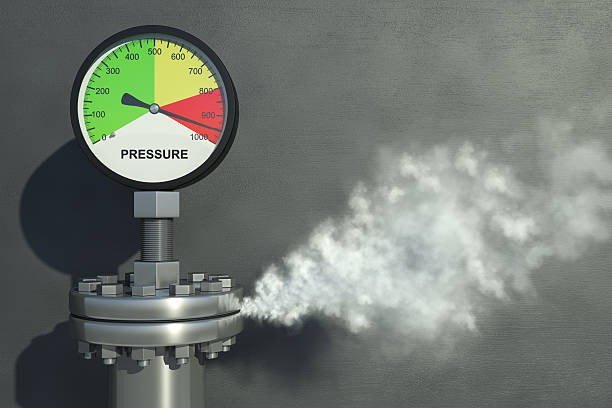
Still, risks (like transfer line failures and storage tank leaks, for instance) remain possible, even with the best safeguards in place.
So, when such incidents arise, it is imperative that plants have clear response plans in place.
In this article:
Adopt Preventive Measures
Managing spill risk begins with preventing them from happening in the first place.
Utilizing proper storage for hazardous materials and their secure transfer is essential. It’s also of the utmost importance that engineering controls are put into place.
Storing Hazardous Materials Properly
Every bioenergy plant should know not only how to store hazardous materials properly. They should also ensure that they always follow those procedures.
That means following protocols like:
- Storing containers of hazardous materials closer to the floor to reduce the risk of a serious spill should containers tip or fall. (On high shelves, even a small bump or vibration could potentially cause containers to drop.)
- Using sturdy shelving with lips to prevent any unwanted movement of the containers.
- Storing chemicals by their hazard classes in order to avoid incompatible reactions should a spill occur.
Securing the Transfer of Hazardous Materials
All workers who are involved with the transfer of hazardous materials must know (off by heart!) the correct procedures to follow.
For instance, they should:
- Use pumps – or other mechanical devices – for liquid transfers.
- Provide secondary containment, such as drip trays, when transferring the hazardous materials.
- Regularly inspect the equipment being used for transfers to check for any damage or leaks.
Putting Engineering Controls in Place
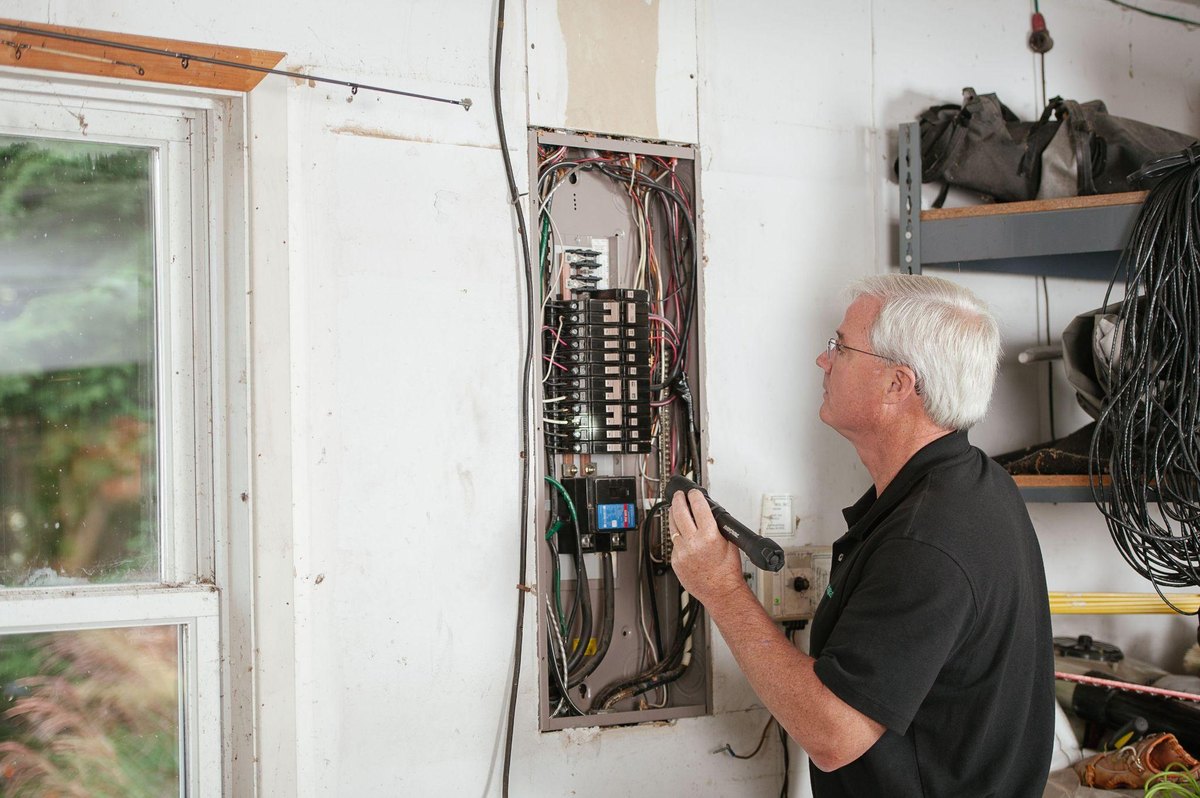
The structural integrity of plant infrastructure also matters. In addition to the correct materials being used in the construction, such as steel, electrical and mechanical equipment that is specifically rated for the use in potentially explosive atmospheres should be utilized.
Also, plant managers should ensure they use physical barriers to help contain any spills in specific areas of the bioenergy plant.
Take Appropriate Steps for Secondary Containment
Preventing primary container failures, such as cracks and ruptures from chemical drums or fuel tanks, is (of course) massively important. But plants also need to stay on top of secondary containment.
That means ensuring backups are in place to catch or hold spills should the main storage vessels break or leak.
What are examples of secondary containment? Well, we already briefly mentioned drip trays (which, by the way, should have the capacity for 110% of the volume of the single largest container or 25% of the total volume stored). But spill kits should also be utilized.
Spill kits are equipped with things like absorbents and neutralising agents (as well as PPE) that are specifically designed for certain hazardous spills.
All workers should be aware of where spill kits are located – and what protocols to follow should a spill occur.
Create a Robust Emergency Response Plan
Creating a robust emergency response plan is crucial. The reason? It should be obvious: spills of hazardous materials at bioenergy plants can escalate quickly. They can threaten:
- Worker safety.
- Environmental safety.
- The integrity of the plant’s equipment.
The plan should clearly describe who needs to act, how everyone communicates with one another, and what immediate containment solutions to use.
A calm and coordinated response is crucial. And confusion and panic must be avoided. With proper training and regular drills, plants can ensure that all workers are ready should the worst happen.
Also, emergency response plans serve as proof of accountability during visits from industry regulators.
Here are the main steps that should be included in your emergency response plan.
Assess the Situation
First, the type of spill needs to be identified. Only then can the appropriate actions be taken. Those actions should be outlined on Safety Data Sheets.
Protect Personnel and Evacuate
Each person at the plant should know their role during a spill.
Most people should be evacuated. Other personnel will deal with the spill area – such as isolating it. It is crucial that all individuals who are handling the spill wear the appropriate PPE.
Contain the Spill and Alert External Response Teams
Spills need to be contained as much as possible (obviously!). The spread could be prevented from entering water sources by using things like sandbags, temporary diking or absorbent booms.
Typically, plants will work with professional environmental services that provide a 24-hour spill response service in order to quickly minimize health threats, reduce environmental damage, and lessen plant downtime.
Notify the Authorities
In addition to contacting an external emergency response team, plants should immediately notify the authorities – such as the local fire department, environmental agencies, and (in the USA) the Environmental Protection Agency.
Clean and Decontaminate
Internal and/or external teams should utilize the appropriate techniques and use the right materials to clean and decontaminate the spill area.
Acids/alkalis/other hazardous substances should be neutralized wherever possible.
Dispose of the Waste
Once the spill has been contained and neutralized: ensure the waste is correctly disposed of.
All contaminated materials must be disposed of according to regulatory guidelines. That goes for PPE, too.
Decontaminate Equipment
The last thing the personnel handling the spill need to do is decontaminate any affected equipment.
Review the Incident
Once the incident is over, it is of high importance that plant management review what happened to identify what went wrong – and implement new procedures to reduce the risk of another spill.
Wrapping Up
Strong spill management is incredibly important at bioenergy plants. A robust emergency plan depends mostly on:
- Prevention.
- Preparation.
- Accountability.
With careful storage, secondary containment, and clear emergency response planning in place, facilities can protect workers, equipment, and ecosystems.
And the effective control of spill risks strengthens compliance, preserves operational stability, and upholds public trust.