
Bioenergy systems are becoming a mandatory element in the world’s shift to sustainable energy. These systems can be biomass boilers, anaerobic digesters, but they are put to work in harsh environments, which need close supervision and control strength. The quality of major components, especially the pressure sensors and the printed circuit boards (PCBs), is crucial in ensuring the safety and efficiency of such environments.
In this article:
Significance of Warranted Pressure Control
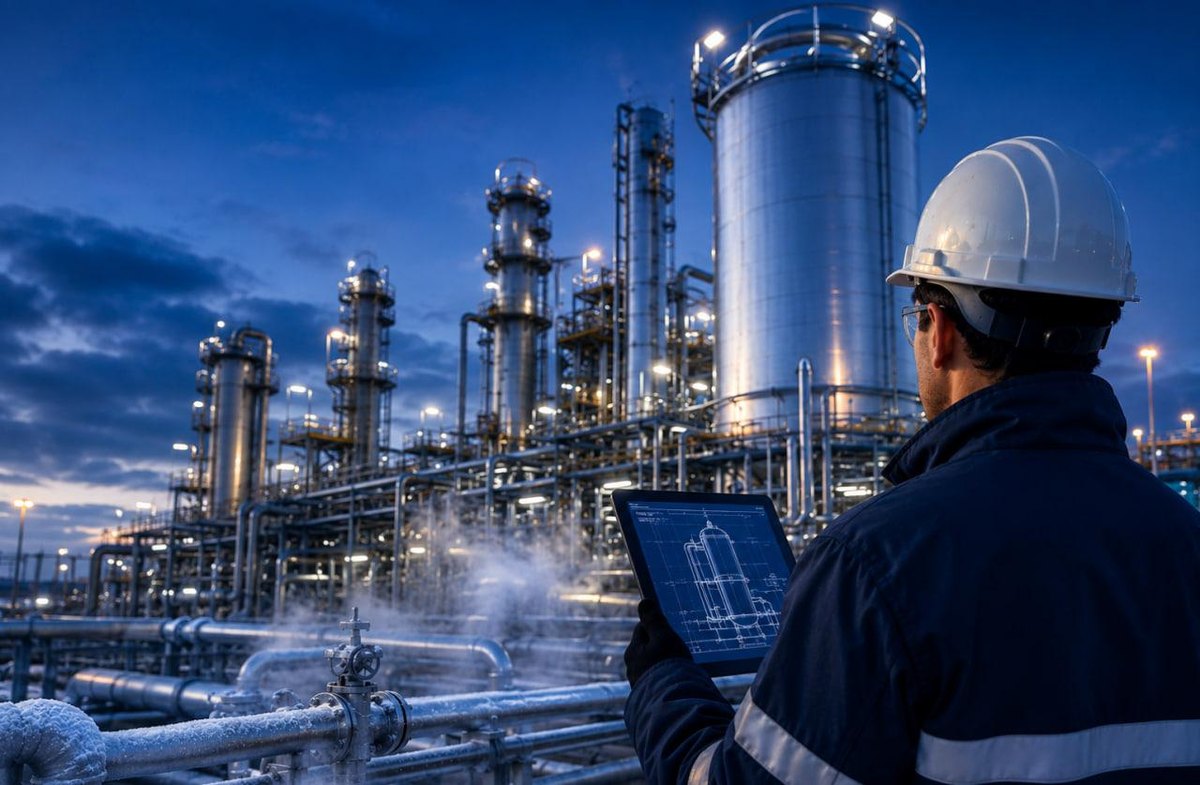
In bioenergy processes of high temperature and pressure, pressure monitoring is essential. The devices, like fermentation tanks and gasifiers, have to be able to stabilize the internal conditions to prevent losses in their performance and risky accidents. It is here that high-temperature industrial pressure transducers are very important. These devices are specifically engineered to combat the extreme conditions with great accuracy, but provision of real time data. With the incorporation of such sensors in the bioenergy systems, operators can respond to pressure variations well in time, to streamline the combustion or digestion processes, and also to mitigate the chances of damage to the system considerably.
Position of Trustworthy PCB System
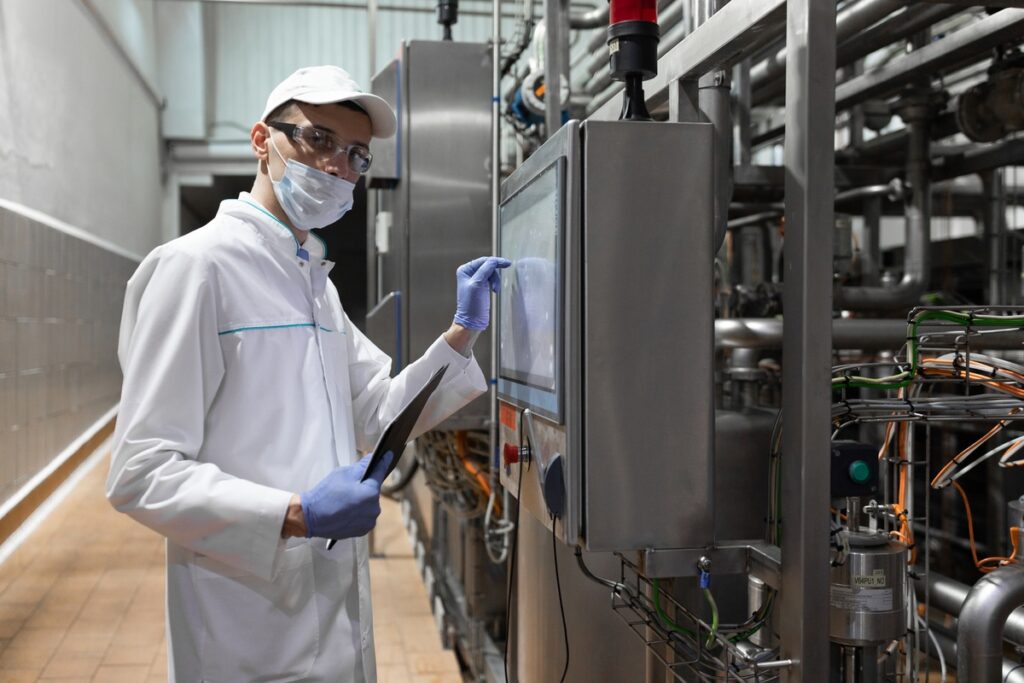
It is also essential to be able to monitor them with the help of electronic infrastructure. Sound circuit design will also provide a reliable transmission, processing, and response of sensor data. To satisfy these requirements, manufacturers are turning to advanced PCB solutions for new energy systems. Good PCBs are durable, thermally resistant, and they offer signal integrity, which is more important in situations where changes in temperature and vibration are frequent.
Interaction of Sensors and PCBs
Precision pressure sensors coupled with reliable PCBs through integration have a synergetic effect. Sensors are used to obtain the right data, and PCBs are used to guarantee the efficiency of data processing and transfer to control systems. Such a combination provides the possibility to implement automated adjustments, enhancing the overall system responsiveness. As an example, a biomass boiler may be adjusted at any time to balance the pressure to the optimal point, and the boiler may automatically adjust fuel feedstock or air intake to ensure necessary and efficient operation.
Benefits of Predictive Maintenance
The other essential benefit of current pressure-sensing technology is that it has led to predictive maintenance. With constant pressure monitoring, operators are able to detect anomalies, which could indicate wear, blockages, or leakages. This is proactive and will minimize downtime and also improve the life of the equipment. These monitoring systems can be further made more reliable when accompanied by a powerful PCB architecture, which reduces the chances of loss of signal or failures of hardware.
Increasing Energy-Saving
Another area where these technologies have a great effect is in energy efficiency. Accurate pressure adjustment offers the best conditions of combustion or digestion, and higher output of energy in the same quantity of biomass. This improves efficiency besides minimizing emissions, which helps in environmental compliance and sustainability aspirations.
Scalability and Adaptability
Moreover, modern sensors and PCB solutions are scalable, which enables them to be scaled to suit different bioenergy uses. Such components can be tailored to suit particular operational needs, whether in small farm agronomic digesters or large-scale industry plants. The fact that they are flexible means that they can be a highly valuable investment for companies that want to future-proof their energy systems.
Enhancing Safety Standards
The most important advantage is safety. Bioenergy systems also entail high pressure condition and combustible gases, where any slight failure can cause major tragedies. The pressure sensors with high quality are more precise and dependable, whereas PCBs are of high quality and are stable to allow the system to perform without failure. The combination of them creates a strong safety system that secures equipment and people.
Conclusion
Finally, the development of bioenergy technology is not only determined by the development of processes, but also by the stability of the main elements. The key to the achievement of safe, efficient, and sustainable operations is precision pressure sensors and high-performance PCBs. Investing in these technologies enables the bioenergy operators to optimize the performance of the systems, as well as minimize the risks, and play a role in a cleaner energy future.